Inside the Manosphere: Netflix’s Most Provocative Drama Finds Its Documentary Mirror

Netflix and the New Culture Wars: When Drama Turns Real
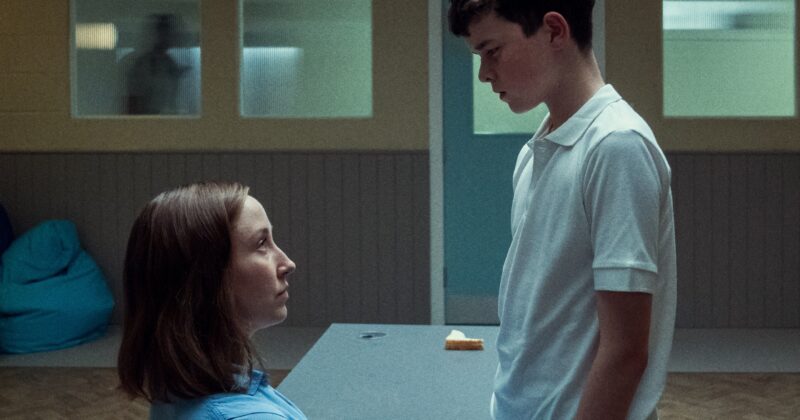
In the fast-evolving world of streaming TV, few series have sparked debate and reflection like Adolescence, a four-part mini-series that tackled the unsettling realities faced by teenage boys as they navigate the labyrinth of online culture, toxic masculinity, and identity formation. The drama’s impact went far beyond entertainment, prompting viewers to recognize the alarming real-world dynamics shaping a new generation. Now, streaming giant Netflix is set to amplify that conversation with a gripping new documentary, Louis Theroux: Inside the Manosphere.
Louis Theroux Takes on Internet Misogyny
Directed by one of the most fearless documentarians in the industry, Louis Theroux’s latest project is a deep-dive into the underbelly of the so-called manosphere—a digital ecosystem teeming with self-styled alpha males, influencers peddling hypermasculine ideals, and the normalization of misogynistic narratives. Theroux, acclaimed for immersive documentaries like his exposé on Scientology and hard-hitting explorations of fringe social groups, brings his sharp eye and knack for awkwardly candid interviews to a space rarely illuminated with this level of precision and empathy.
Unlike the stylized drama of Adolescence, Theroux’s approach is journalistic yet deeply human. In the documentary, viewers witness prominent internet personalities discussing and sometimes defending content that capitalizes on the insecurities of adolescent boys. With a signature blend of disarming curiosity, Theroux doesn’t just scratch the surface—he confronts the psychological machinery that drives online male rage, viral misogyny, and the incel subculture.
The Real-World Stakes: Teenage Boys and Digital Identity
One of the most sobering revelations in Inside the Manosphere comes when Theroux notes that the average viewer age for many notorious influencers is just 15. Scenes of schoolboys swarming a controversial video creator on a public street are both shocking and telling. For every headline about radicalization or incel communities, there’s an unseen algorithm pushing vulnerable teens toward extremist content, all in the name of engagement and virality.
These are not just issues for think pieces—they impact the daily realities of real young people. Adolescence highlighted, through character Jamie Miller, the alienation that drives some boys to seek out belonging in these toxic spaces. The social isolation, public embarrassment, and fraught sexual expectations teens face become fertile ground for influencers promising simple answers to complex pain.
Deepening the Debate: Why This Story Matters Now
The connection between Adolescence and Theroux’s documentary runs deeper than subject matter. Both works refuse to give easy answers or play into moral panic. Instead, they show how online misogyny and the rise of incel culture are rarely about brute strength or conventional masculinity. In fact, the digital manosphere thrives by weaponizing the vulnerabilities—feelings of inadequacy and rejection—of those left behind by both traditional masculinity and today’s evolving gender narratives.
Gen Z’s rejection of dated Hollywood tropes is a ray of hope, as new definitions of manhood and gender take hold. Yet, for many boys, the seductive pull of viral influencers and their conspiracy-laden manifestos becomes a quick fix for very real pain. Theroux’s documentary doesn’t just expose the problem; it demands cultural reckoning, urging audiences to understand how identity, technology, and society are colliding at an unprecedented pace.
Netflix as a Platform for Tough Conversations
Streaming platforms like Netflix have become unlikely battlegrounds for the culture wars, pushing bold narratives that aren’t afraid to make audiences uncomfortable. With Adolescence setting the bar for dramatic exploration and Inside the Manosphere thrusting the real-life issues into the daylight, the conversation around masculinity, youth, and digital influence has never been more urgent. Both serve as essential viewing for anyone seeking to understand the forces shaping tomorrow’s adults—and the responsibility all platforms hold in shaping cultural norms.