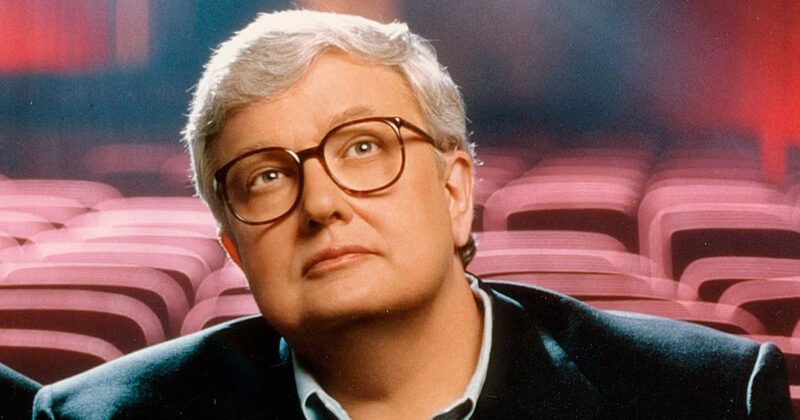
Roger Ebert vs. Pop Culture: 5 Iconic ’90s Movies He Unexpectedly Disliked

How Roger Ebert Challenged ’90s Movie Favorites
Roger Ebert’s name still towers in the world of film criticism. Known for his deep knowledge and impassioned takes, Ebert’s reviews shaped how mainstream audiences and cinephiles approached cinema for decades. But what happens when the people’s beloved movies clash with a critic’s refined lens? Let’s dive into five major movies from the ‘90s that Ebert simply couldn’t get behind, even as they soared into cult status and beyond.
Stargate: A Sci-Fi Staple Dismissed
The science fiction classic Stargate was a launching pad for one of TV’s most enduring franchises. With the original film paving the way for Stargate SG-1, multiple spin-offs, and continued popularity among fans, its pop culture impact is undeniable. Yet, when Ebert watched Stargate, he saw not magic but mediocrity: he awarded it just one star. For Ebert, the film’s unique premise was wasted on a conventional plot and lackluster action. Even the dynamic of leads Kurt Russell and James Spader couldn’t redeem it in his eyes. Still, as streaming platforms buzz with news of new series revivals, Stargate continues to prove Ebert’s harsh verdict irrelevant to its enduring fandom.
Tommy Boy: An Unlikely Comedy Classic
Tommy Boy stands tall in the memory of comedy lovers—not just for Chris Farley and David Spade’s chemistry, but also for dialogue that’s become embedded in pop culture references (‘Holy schnikes!’, anyone?). Ebert, though, didn’t see the humor. He infamously called it ‘an explosion down at the screenplay factory’ and gave it only one star. According to him, the laughs were missing, and the lines were forgettable—a notion that is laughably contradicted by the film’s enduring quotability. Fans regularly revisit Tommy Boy not for critical praise but for the comfort and hilarity it delivers, time after time.
The Usual Suspects: Twists That Divided Opinion
The Usual Suspects is a regular on lists of cinema’s greatest plot twists and most memorable crime films. Yet Ebert dropped a rare 1.5-star review, unimpressed by what he characterized as mere ‘smoke and mirrors.’ While many enjoy unpacking the enigmatic Keyser Söze, Ebert felt it was all style over substance. The counterargument? Even now, The Usual Suspects draws in fresh audiences who marvel at its narrative craft and stylish misdirection.
The Waterboy: Adam Sandler’s Polarizing Hit
Few ’90s comedies are as divisive in their humor as The Waterboy. Adam Sandler’s portrayal of Bobby Boucher is iconic for many, but Roger Ebert described the performance as akin to ‘fingernails on a chalkboard.’ Despite his efforts to go in with an open mind, Ebert found himself completely turned off by Sandler’s slapstick style, ultimately handing out another one-star review. The movie’s $190 million box office haul—and its continued marathon reruns—speak to a kind of mass appeal Ebert could never reconcile with his personal taste. Sandler himself remains a staple of mainstream comedy, with viewers still debating which of his works are truly essential.
Armageddon: Big Explosions, Big Disapproval
If modern blockbusters are a fireworks display of bombast and visual effects, Armageddon helped ignite the genre for a new era. Starring Bruce Willis and Ben Affleck, and marked by Michael Bay’s signature kinetic direction, the film is a pure adrenaline rush. But Ebert’s 1-star assessment cut deep: he described the film as little more than ‘the first 150-minute trailer.’ For him, substance drowned beneath the spectacle, and he saw in Armageddon a worrying template for Hollywood’s future. Ironically, many moviegoers fondly remember Armageddon precisely for its over-the-top thrills and unapologetic maximalism—a nostalgia that’s only grown as new tentpole movies push bombast ever further.
Pop Culture Vs. Critic: Who Gets the Last Word?
What these reviews reveal isn’t just the taste of a legendary critic, but the ever-evolving relationship between mass appeal and critical acclaim. Today, these films enjoy status as cultural touchstones—quoted, memed, and rewatched ad infinitum, often in defiance of critics’ original verdicts. Whether you side with Ebert’s rigor or the unstoppable wave of fan devotion, these movies continue to define how popular cinema is remembered and celebrated.