Sydney Sweeney’s Most Impactful TV Roles: From Breakout to Iconic

Sydney Sweeney: The TV Roles That Defined a Generation
From supporting standout to leading light, Sydney Sweeney has shaped modern television with a series of nuanced, memorable performances. While she has recently made waves in cinema, her impact on the small screen deserves an in-depth look. Here, we dive into the most important and multifaceted TV characters Sweeney has brought to life, highlighting the evolution of her craft—from overlooked gems to culture-defining roles.
Everything Sucks! – Emaline Addario
Nestled in Netflix’s library of coming-of-age tales, Everything Sucks! recaptures ’90s high school nostalgia with a sharp emotional edge. Set against the backdrop of Boring, Oregon, it’s more than just retro aesthetics; the series captures adolescent awkwardness and heartfelt self-discovery. As Emaline Addario, Sydney Sweeney delivers a performance teetering between comedic bravado and quiet vulnerability. Emaline is a self-proclaimed drama queen with a flair for the theatrical, but beneath her bold energy lies a struggle for acceptance and belonging. Sweeney’s ability to lend depth to what could have been a one-dimensional character foreshadows the complexity she would infuse into later roles. Although the show was short-lived—canceled after just one season—its earnest exploration of identity and sexuality carved out a lasting place among the era’s better teen series.
The Handmaid’s Tale – Eden Spencer
The Handmaid’s Tale is revered for translating Margaret Atwood’s chilling dystopia into one of television’s most uncompromising dramas. In the show’s pivotal second season, Sweeney portrays Eden Spencer: a devout, innocent teenager entering an arranged marriage within the oppressive world of Gilead. Eden’s tragic faith and loyalty are juxtaposed with her desperate longing for genuine love. Sweeney nails the impossible tension between Eden’s naiveté and the brutal environment that ultimately dooms her. Though Eden’s arc is brief, it packs extraordinary emotional punch and exposes the insidious nature of indoctrination. Eden’s refusal to renounce her convictions in the face of execution lingers as one of the show’s most haunting moments.
Sharp Objects – Alice
Sharp Objects, based on Gillian Flynn’s bestselling novel, is a psychological thriller with a haunting Southern Gothic allure. Sweeney steps into the role of Alice, a secondary yet deeply significant figure from lead character Camille Preaker’s past. Through fragmented flashbacks set in a psychiatric hospital, Alice emerges as both a confidante and mirror for Camille’s trauma. The dynamic between the two characters is raw and honest—moments of dark humor exchange with devastating emotional revelation. Although Sweeney’s screen time as Alice is limited, the character’s tragic fate and honest interactions flesh out the emotional stakes of the main narrative, allowing viewers to see Camille’s vulnerability through a different lens.
The White Lotus – Olivia Mossbacher
Few series have captured cultural anxieties quite like The White Lotus, a razor-sharp satire set in a luxury resort. Sweeney’s Olivia Mossbacher is instantly iconic—a college student navigating privilege with an air of moral superiority that often veils a biting insecurity. The show unpacks Olivia’s relationships, particularly her ambiguous friendship with Paula, by exposing the contradictions of performative wokeness in the digital age. Sweeney balances Olivia’s dry wit with an undercurrent of self-doubt, embodying the sharp generational dialogue at the heart of the series. It’s a role that flowers at the intersection of self-awareness and self-delusion, neatly capturing debates swirling around identity, wealth and social activism within Gen Z.
Euphoria – Cassie Howard
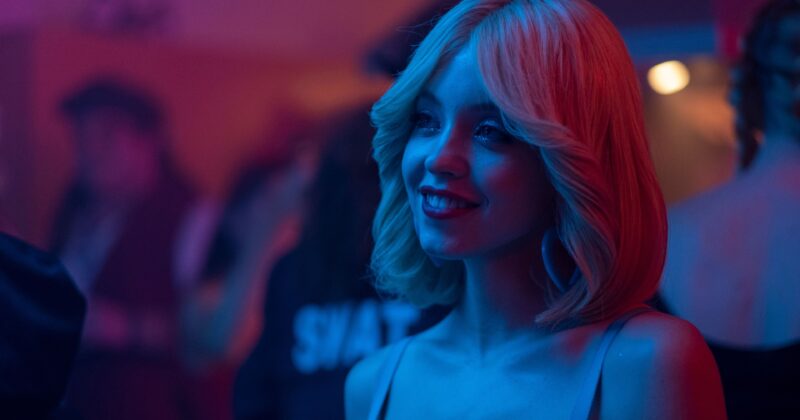
When Euphoria stormed onto screens, it redefined teen drama by marrying visual bravado with unflinching honesty. At the center stands Cassie Howard, arguably Sweeney’s most layered and polarizing character to date. Cassie wrestles with love, self-worth, and personal agency amidst an intoxicating blur of parties, relationships, secrets and social pressure. Sweeney’s portrayal goes beyond surface-level vulnerability; she alternates seamlessly between quiet desperation, explosive emotion, and surprisingly nuanced moments of hope. Every episode uncovers another facet of Cassie’s psyche, bringing real dimension to the tumultuous—sometimes destructive—ride of growing up in the smartphone era. Sweeney’s performance has become a lodestar for a generation, merging empathy and intensity in a way that defines modern television storytelling.