Netflix’s War Machine and the Secret That Almost Wasn’t Revealed
War Machine has quickly become one of the most talked-about sci-fi action films of 2026, not just for its jaw-dropping visuals and explosive action, but for the story behind its creation—and the reveal that could have transformed the entire viewing experience.
Patrick Hughes’ Original Vision: No Spoilers in Sight
Director Patrick Hughes, known for his deft hand in action cinema, initially envisioned War Machine as a military thriller with a genre-shattering twist. In his earliest scripts, Hughes crafted a narrative in which the presence of the alien machine—in fact, any extraterrestrial element—was kept under wraps until a pivotal moment mid-film. There were no hints in the plot descriptions, trailers, or marketing material. For Hughes, this reveal wasn’t just a twist: it was designed to ‘drop the hammer’ on the audience, invoking the kind of shock many fans felt during the big reveals in films like Predator or From Dusk Till Dawn.
Studio Marketing vs. Filmmaker Secrets
However, the final approach shifted. Major streaming platforms, including Netflix, face tough decisions balancing creative secrecy with the need to grab audience attention in a crowded content landscape. Sci-fi fans will recall how past movies, from Terminator 2: Judgment Day to more modern surprise-laden releases, have had their signature twists revealed—or at least heavily teased—in promotional material. Marketing teams often lean on genre reveals, especially when the spectacle aspect is central to the film’s identity.
For War Machine, this meant that audiences already knew Alan Ritchson’s stoic protagonist wouldn’t just be facing standard-issue military challenges, but something much more otherworldly. The shock value Hughes dreamed about would now hit only partially, though the film’s narrative structure ensured plenty of surprises remained intact.
Inside the Plot: When Military Drama Meets Alien Onslaught
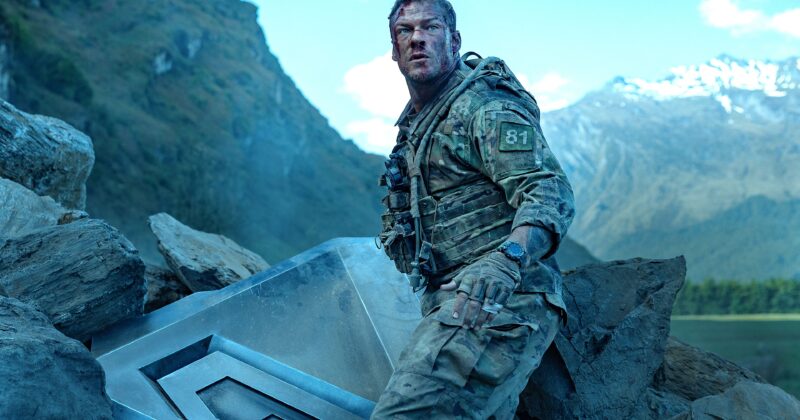
The movie opens as a razor-sharp military drama, following a team of U.S. Army Ranger candidates in the Ranger Assessment and Selection Program (RASP). Alan Ritchson’s character, designated simply as 81, is battling intense PTSD, striving to complete the grueling program in honor of his brother. The first act is dedicated to the raw struggle of overcoming trauma and the harrowing dynamic of elite military selection. Hughes leans into authenticity, portraying the hard-edged camaraderie and desperation of soldiers on the edge of selection—grounded, serious, and gritty.
And then, the genre shifts dramatically: a simulation mission goes sideways, putting 81’s squad face to face with a mechanical monstrosity from the stars. It’s the kind of left-turn audiences rarely see fully executed, reminiscent of classic films where the genre pivot becomes a landmark moment. Even with marketing cues, the intensity of the transition and the sheer design of the alien machine—terrifying, enigmatic, and powerful—makes for high-stakes, edge-of-your-seat viewing.
Details That Changed Along the Way
One fascinating artifact from Hughes’ original drafts was a subtle training camp scene involving a newscast: NASA tracking what appears to be an asteroid heading for Earth. This was the only intended hint to the alien encounter that would upend both the characters’ and viewers’ expectations. In the final cut, the film opts for a brisker reveal, effectively maintaining suspense without explicit foreshadowing.
Origins and Sequels: Expanding the Sci-Fi Universe
Hughes openly describes his intention for War Machine as an origin story, turning what starts as a small-scale military drama into the seed for something much broader. The climactic battle only scratches the surface—the final moments tease the arrival of more mechanized invaders, priming audiences for a worldwide alien incursion in potential sequels.
With Alan Ritchson’s star power at an all-time high, thanks to his widely acclaimed turn in Reacher, and the solid critical reception of War Machine itself, the odds are looking better than ever for a follow-up. The high-octane blend of grounded military realism and relentless sci-fi action positions the film as a tentpole title on Netflix’s slate, and fans are already speculating about what a second outing could bring—bigger, bolder, and possibly even more secretive when it comes to teases and reveals.
Cast and Creative Team
War Machine brings together a powerhouse cast, with Alan Ritchson leading and standout performances from an ensemble including Dennis Quaid. On the creative side, Patrick Hughes took on both writing and directing duties, collaborating with James Beaufort on the screenplay and producing alongside industry veterans.
For those seeking a dose of high-stakes action, tense drama, and a spectacular science fiction twist, War Machine is proving hard to beat in 2026’s streaming lineup. As always, fans and critics alike will be watching closely to see if Hughes and Ritchson are ready to take their story global in a much-anticipated sequel.