The Surprising Roots of Taylor Sheridan’s Western Universe: From Dr. Quinn to Yellowstone’s Dark Frontier

The Early Western Days of Taylor Sheridan: From Actor to Auteur
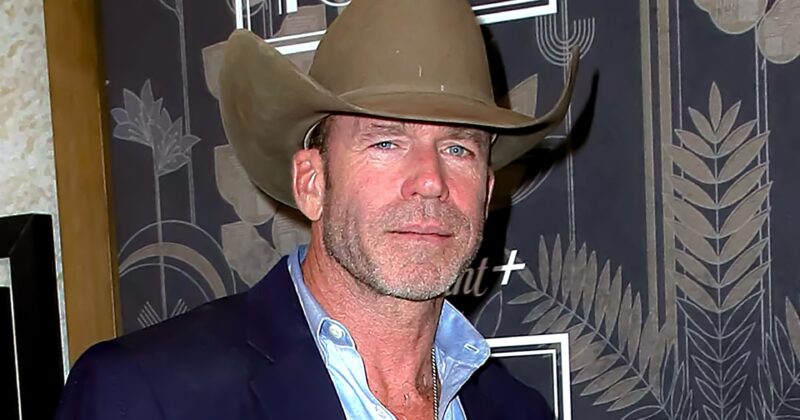
Before Taylor Sheridan became synonymous with the raw, brutal ethos of modern TV Westerns, his career began in a place few would suspect: a guest role on the beloved family drama Dr. Quinn, Medicine Woman. Sheridan, who later redefined how we perceive the American West through series like Yellowstone, 1883, and Lawmen: Bass Reeves, first dabbled in the Western genre as Corporal Winters in a single 1997 episode of Dr. Quinn. At the time, he was a working actor grabbing bit parts on genre TV, building experience before his seismic shift behind the camera.
Contrasts in Tone: Dr. Quinn vs. Sheridan’s Vision
Those familiar with the heartfelt, sometimes idealistic storylines of Dr. Quinn, Medicine Woman will immediately notice the stark difference to Sheridan’s signature tone. While Dr. Quinn tackled important societal issues like gender equality and racism—a gutsy move for network TV—the show always maintained a family-friendly sheen. Its approach might feel heavy-handed now, but it shaped television’s capacity to discuss real issues through a Western lens.
Sheridan’s storytelling could not drift further from these gentle frontiers. In 1883, every inch of the post-Civil War West is painted with grime and moral ambiguity. His heroes are battered by fate and violence, their journeys marked by the possibility of meaningless tragedy. Where Dr. Quinn offered resolution, a Sheridan script tends to lean into discomfort, ensuring audiences are never shielded from the darker realities of the world he’s built.
Shaping the Modern Western Landscape
The contrast is not merely one of violence or grit. Sheridan’s rise—from small TV roles to scripts for Sicario and creator credits on contemporary Western sagas—signals a radical reimagining of an often-romanticized American mythology. Series like Yellowstone approach the Western as an unending cycle of power, land, and legacy, far removed from the sometimes sanitized canvas of the genre’s past.
This journey through acting and into the heart of the writer’s room wasn’t just shaped by TV-Western tropes. Sheridan’s tenure on Sons of Anarchy, where he famously left after fights over pay parity, seems to have crystallized his appetite for stories about power imbalances and outsider justice. His modern Westerns stand as unflinching, critical reflections of American history—where every act carries weight and redemption is always in question.
An Unlikely Genesis for TV’s Western Renegade
Looking back, it’s almost poetic that the harshest chronicler of the Old West started in its softest milieu. Sheridan’s bit part on Dr. Quinn may have been brief, but it set him on a path that would rewrite what audiences expect from a Western. As Sheridan’s creative vision commands bigger budgets and global fervor, his earliest screen time among the calico and compassion of Dr. Quinn stands as a quirky counterpoint—a reminder of how far modern Western dramas have traveled, and of one storyteller’s journey from supporting player to genre king.