Timothée Chalamet Faces Industry Scrutiny After Dismissal of Ballet and Opera

Timothée Chalamet’s Comments on Ballet and Opera Spark Cultural Debate
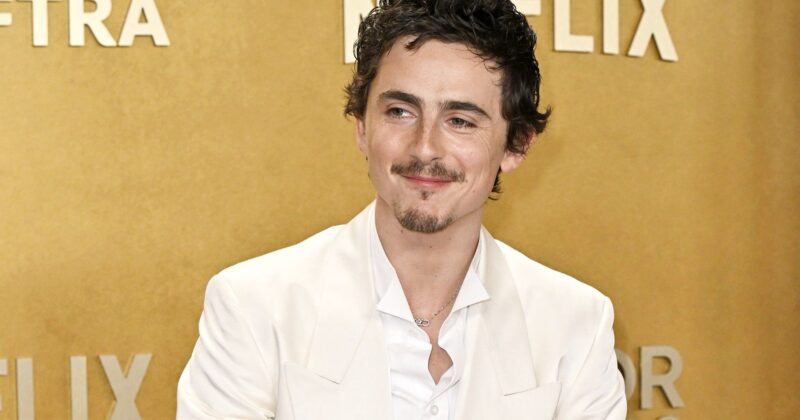
Timothée Chalamet, celebrated for his roles in films like Dune and Call Me by Your Name, has become an unexpected flashpoint in the arts community after remarks that seemed to belittle the relevance of ballet and opera. During a recent interview, Chalamet expressed concern over the future of theatrical movies, candidly reflecting, ‘no one cares’ about live performances like ballet and opera. This candid statement quickly ignited discussion across the performing arts sector, bringing these prestigious traditions back into mainstream conversation—with a twist of controversy.
Opera Houses and Ballet Companies Respond with Creative Outreach
The response from the global arts community was swift, but far from defensive. Major institutions, such as the Metropolitan Opera in New York City, seized the moment. On Instagram, the Met shared a visually stunning video that peeled back the curtain on the intensity and artistry embedded in an operatic production—including orchestra rehearsals, costume design, set construction, and the detailed craft of wig-making. Playfully, the caption addressed Chalamet directly: ‘This one’s for you @tchalamet…’
In London, the English National Opera extended an open invitation to Chalamet, accompanied by a screenshot from the now-viral interview. ‘We’d love to change your mind—free tickets on us to help you fall back in love with opera anytime,’ they offered, exemplifying the sector’s spirit of inclusion and dialogue. Even the Seattle Opera joined the conversation innovatively, inviting the star to experience Carmen at a discount, rolling out a custom promo code: ‘TIMOTHEE’.
The Role of Pop Culture and Digital Community
Chalamet’s remarks have become a trending topic not just in arts circles, but on social platforms, podcasts, and pop-culture sites worldwide. The incident also highlights how quickly cultural conversations move today and how celebrities are held accountable not only for their creative work but for their off-screen perspectives. The digital age ensures that every word can catalyze a global reaction—sometimes resulting in constructive engagement, other times amplifying wedge issues.
Industry Fallout and Oscar Prospects
Chalamet’s path to Oscar glory now appears less certain. Despite being a front-runner, fresh off wins at the Golden Globes and Critics’ Choice Awards for his role in Marty Supreme, his unexpected loss to Michael B. Jordan at the Actor Awards has signaled potential turbulence ahead. It’s a reminder of how industry perceptions—both earned and accidental—can ripple through one’s career, especially as the Awards circuit converges with broader societal concerns about the arts, relevance, and respect.
Reflections on the Future of Performing Arts and Cinema
At the heart of the debate are fundamental questions about what makes art vital and relevant in an age of streaming and global content. Chalamet’s comment, whether ill-judged or simply honest, has inadvertently placed a spotlight on how sectors like ballet and opera continue to strive for relevance amid shifting tastes and technologies. Theaters are evolving, integrating cutting-edge digital experiences and dynamic engagement to attract new audiences—and the conversation triggered here may fuel further innovation.
As the upcoming Academy Awards approach, all eyes remain on both Chalamet and the broader arts world. The episode underscores that in today’s cultural landscape, the intersection between tradition, celebrity, and digital discourse is charged and unpredictable—sometimes uniting, other times dividing, but always evolving.