Highlander: The Immortal Fantasy Franchise Set for a Powerful Comeback

The Rise of Highlander: When Fantasy Met Urban Chaos
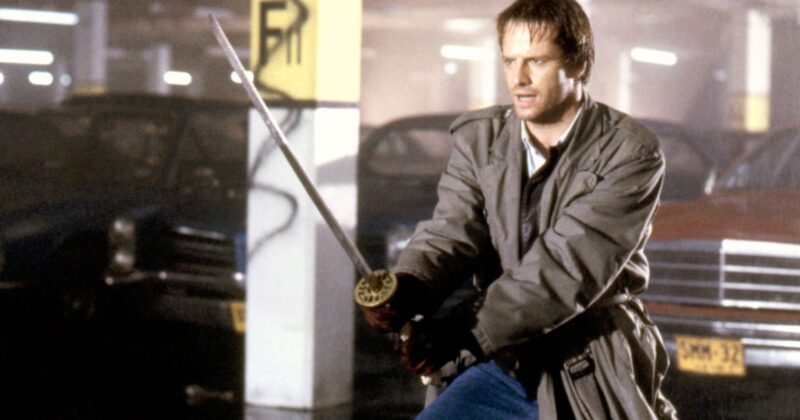
Distinguished by its blend of sword mythology and gritty, neon-lit cityscapes, Highlander reshaped the fantasy genre the moment it hit theaters. Instead of keeping its immortal warriors trapped in distant or medieval lands, the saga sprang forth in modern New York City. Iconic moments—like Connor MacLeod, played by Christopher Lambert, storming a parking garage beneath Madison Square Garden during a wrestling match—set the tone for an epic where centuries-old warriors clashed with samurai swords amid the bustle of the 1980s. This unique setting, juxtaposed with flashbacks to ancient Scotland and Spain, gave the story its signature pulse: immortals, facing off for the elusive Quickening, where only beheading could bring victory.
A Cult Classic Despite the Odds
Initially, Highlander wasn’t an immediate critical darling. But even as reviews clashed, the film carved a space in pop culture thanks to its hypnotic premise, Sean Connery’s unforgettable turn as mentor Juan Sánchez-Villalobos Ramírez, and a soundtrack spun by Queen. The depth of story—Connor’s tragic love, his training under Ramírez, and the looming menace of Clancy Brown’s Kurgan—helped Highlander transcend its harsh reviews. Over time, critics warmed up to its imaginative take on immortality, swordplay, and existential battles across time.
From Flawed Sequels to TV Triumphs
While the film series faltered—most notably with Highlander II: The Quickening—the franchise refused to die. The saga’s true rebirth materialized on the small screen with Highlander: The Series. Here, Adrian Paul’s Duncan MacLeod, another immortal from the legendary clan, took the lead. Seamlessly woven into the established lore, the series ran six seasons and 119 episodes, often rated among the best fantasy TV of its era. Duncan’s journey not only honored but expanded the Highlander mythos, with Christopher Lambert returning to pass the torch.
This bold move to focus on Duncan brought enormous popularity, although it also led to pivotal—and controversial—moments. In Highlander: Endgame, the on-screen death of Connor MacLeod at Duncan’s hands divided the fanbase, highlighting just how emotionally invested viewers had become in these immortal warriors. The misfire of Highlander: The Source, which was later erased from franchise canon, only cemented the need for a fresh approach.
A New Era: Highlander Returns
Highlander fans can look to the future with anticipation as the franchise gears up for a major cinematic reboot. Fresh off The Witcher, Henry Cavill steps into Connor MacLeod’s boots for the upcoming adaptation, promising a compelling mix of new energy and reverence for the original saga. The cast raises expectations further: Russell Crowe takes on the storied role of Ramírez, Dave Bautista returns to form as the terrifying Kurgan, while Karen Gillan and Djimon Hounsou enrich the supporting roster as Heather and Sunda, respectively. The inclusion of WWE’s Drew McIntyre hints at action sequences designed for both diehard fans and new audiences.
Production may have faced unforeseen hurdles, but the vision behind this reboot demonstrates how the themes of immortality, fate, and legacy—central to Highlander—remain as timely as ever. With its blend of swordplay, philosophical depth, and enduring emotional stakes, Highlander is poised for a new chapter that can speak to both longtime followers and a fresh generation hunting for fantasy that breaks the mold.