10 Childhood Movies That Left a Mark on Generation X

10 Childhood Movies That Left a Mark on Generation X
For many who grew up in the era now dubbed as Generation X, childhood movie nights were a wild ride—far from the sanitized comfort zones of kids’ streaming content today. The films many parents innocently put on for their children back then often veered into surprisingly dark territory. These animated and live-action movies, marketed heavily to a young audience, didn’t pull their punches: they featured emotional traumas, shocking violence, and existential themes that shaped not just nightmares, but also the emotional resilience of an entire generation. Let’s revisit the films that left a lasting impression, diving deep into why they became both cherished memories and sources of childhood unease.
The Dark Crystal
From the creative minds behind beloved puppet entertainment came a film quite unlike anything before it. The Dark Crystal employed advanced animatronics and puppet artistry, taking audiences into a world where no human appeared, yet danger and darkness lurked around every corner. On the surface, the adventure of the Gelflings Jen and Kira felt like typical fantasy. But the violence and cruelty of the villainous Skeksis, coupled with the sense of desperation and loss, brought a depth and fear factor that blindsided young viewers. It’s no coincidence that, decades later, this film’s mythology was compelling enough to inspire a Netflix revival.
The Last Unicorn
What could be more innocent than a unicorn and a wizard embarking on a magical quest? The Last Unicorn deceived with its delicate animation, but beneath the surface lay a narrative fraught with existential dread, body horror, and heartbreak. The torments and humiliations faced by the unicorn, the chilling presence of the Red Bull, and the cruel magic of MommY Fortuna’s circus—all inflicted a sense of despair and vulnerability that went miles beyond the average animated adventure. Scenes like waves of vanished unicorns trapped at sea created a persistent unease for viewers far younger than the film’s themes dared to anticipate.
The NeverEnding Story
Iconic fantasy set pieces and a breathtaking world-building didn’t spare The NeverEnding Story from delivering a single moment so traumatic that it became folklore among Gen Xers. The scene where Atreyu loses his loyal horse Artax in the Swamp of Sadness is relentlessly heartbreaking, embodying the raw pain of grief. This wasn’t the simple peril kids were accustomed to; it was an introduction to loss and helplessness that would remain vivid for life, despite the adventure’s hopeful denouement.
The Plague Dogs
Animated animals on the run sound like a recipe for a heartwarming tale, but The Plague Dogs thrust young viewers into a reality where vivisection, cruelty in research labs, and the desperate escape of Rowf and Snitter delivered a heavy blow. The brutal depiction of humanity’s indifference—and outright hostility—to the suffering of animals ensured this was one film that would haunt any child left to watch unattended. Instead of a feel-good adventure, it became a harrowing portrait of survival under constant threat.
The Brave Little Toaster
Don’t let the cheerful title and anthropomorphic appliances fool you: The Brave Little Toaster was a Trojan horse of childhood anxiety. Toying with the idea of obsolescence, abandonment, and the terror of being junked, its tale quickly veered into dark territory. By the time the appliances face near-destruction in a junkyard, it’s obvious that this isn’t just another cute adventure—it’s an allegory for growing up and facing the harsh reality of change and mortality, well before Toy Story reimagined household items with personality.
The Secret of NIMH
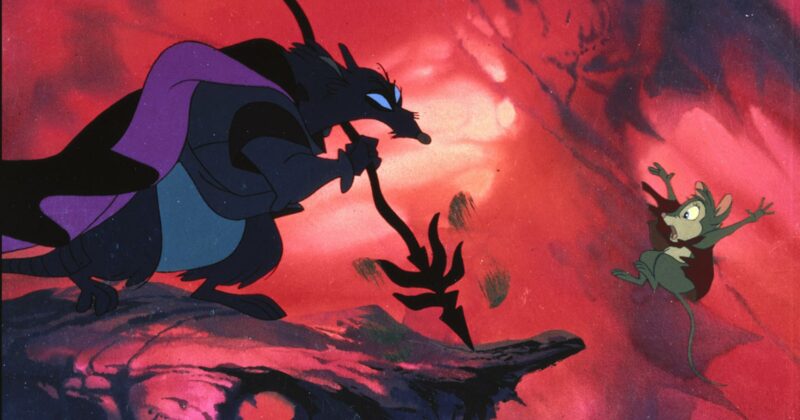
If a litmus test for childhood trauma exists, The Secret of NIMH would rank near the top. Following Mrs. Brisby, a mother mouse battling an unfeeling world to save her children, this animated masterpiece blended fantasy with relentless fear. The villains are truly terrifying, the environments (such as the ominous owl’s lair) barely disguised nightmares, and the scenes of peril—especially the near-drowning—are unforgettable. No horror is spared, and even the smallest glimmer of hope is earned through confrontation with real danger and heartbreak.
Watership Down
Few films have generated as many shocked adults recalling their own traumatic first viewings as Watership Down. Its watercolor landscapes and deceptively gentle animal protagonists quickly give way to a raw survival epic, full of brutal violence and existential terror. The political allegory and brutal struggle for survival felt more suited for war dramas than family animation. It’s a film that challenged young minds with themes of mortality, conflict, and the unavoidable brutality of nature, lingering long after the credits rolled.
Why These Films Still Matter
Unlike today’s carefully curated, algorithm-driven kids’ catalogs, these films didn’t shy away from the darker shades of storytelling. While their trauma-inducing scenes might seem excessive by contemporary standards, they’re also responsible for fostering a sense of wonder, moral complexity, and resilience in countless viewers. Many have since received remakes, spiritual successors, or cult status with new generations discovering their strange, beautiful darkness on streaming platforms or collector’s editions. For those who lived through their original impact, these movies remain unmatched in their emotional stakes—a testament to a cinematic era that truly didn’t pander to its youngest audience.