Iconic Female Monsters: The Dark Queens of Horror Cinema

Sinister Sirens and Deadly Queens: The Unforgettable Women of Horror Films
From shadowy corners of cinematic history to the pop culture sensations of recent years, horror has long embraced monstrous women. Yet, their stories are rarely as simple as monstrous appearance or bloody deeds; these characters often carry complex motivations, embody social criticism, or reflect the anxieties of their era. Exploring their legacies reveals how horror’s greatest female monsters captivate, terrify, and sometimes even earn our twisted admiration.
The Grand High Witch – A Menace for the Ages
One of the most memorable female villains, The Grand High Witch, electrified audiences in the adaptation of Roald Dahl’s ‘The Witches’. Under a deceptively refined exterior hides a grotesque, child-hating fiend with zero hint of remorse. While the coven’s thirst for eternal youth leads them to horrifying lengths, it’s the Grand High Witch’s transformation that stands as a landmark in creature feature effects and performance. The underlying theme—society’s fixation on youth and the expendability of innocence—hits home with chilling precision.
Tiffany Valentine – Love, Voodoo, and Carnage
In the wild universe of the Child’s Play saga, few allies turn more deadly than Tiffany. Originally Chucky’s partner in crime, Tiffany’s role in ‘Bride of Chucky’ goes all-in on dark comedy and self-aware carnage. Her transformation from bruised lover to killer doll is both tragicomic and terrifying. What sets her apart is an agency rarely afforded to slasher sidekicks; Tiffany isn’t just seeking love, she carves her own path through betrayal, resurrection, and a trail of bodies, often outshining Chucky in sheer ferocity.
Jennifer Check – A Feminist Monster Rises
‘Jennifer’s Body’ has earned a cult following as a slyly subversive feminist horror film. Jennifer Check, after a failed Satanic sacrifice, emerges hellbent on vengeance. Consuming her high school’s male population for sustenance, her rampage is more than just gory spectacle—it’s a pointed reflection on exploitation and revenge. Written by Diablo Cody and brought to screen with razor-sharp wit, the film’s reevaluation in light of #MeToo highlights how horror sometimes confronts social realities with brutal honesty.
Ginger Fitzgerald – The Lycanthropy of Adolescent Trauma
Ginger Snaps delivers werewolf horror layered with raw emotion and adolescent turmoil. Ginger Fitzgerald, turning into a monster aligned with her first menstruation, becomes a metaphor for coming-of-age horror at its most literal. The film’s strength is how it intertwines the monstrous and the mundane: Ginger’s transformation echoes not just supernatural change, but the fear, power, and alienation of growing up female in a world eager to define you as ‘other’.
Red – Identity and Horror in ‘Us’
Jordan Peele’s ‘Us’ shattered expectations and delivered a twist-driven narrative with profound implications. Here, Red—the doppelgänger of protagonist Adelaide—unleashes chaos after years of subterranean suffering. In a film where the ‘monster’ and the ‘victim’ swap roles, empathy and horror blur; Red’s vendetta embodies a stolen identity and a reversal of fortune. ‘Us’ leaves audiences questioning the nature of monstrosity and the price of survival.
The Bride – The Fury of Reanimation
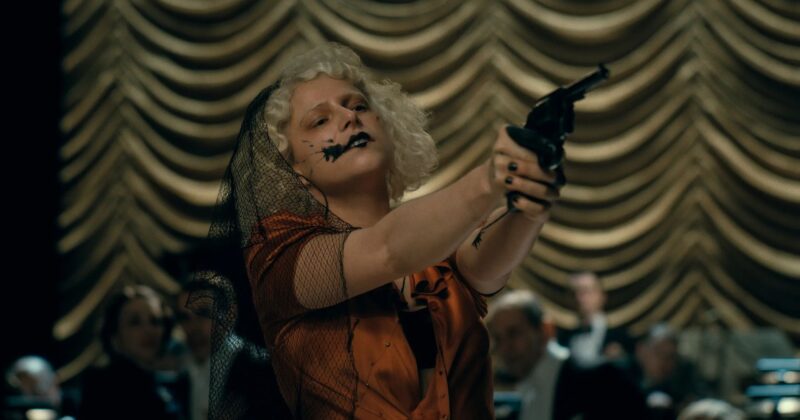
The mythos of Frankenstein is reborn with The Bride. Brought back for another, more modern age, she emerges as an instrument of vengeance and autonomy. Far from being a silent consort, The Bride’s journey is a furious retaliation against a world that used and discarded her. In a narrative blending crime, resurrection, and gothic anger, she and her creator carve a bloody, tragic road, reshaping the classic monster legend into a story of reclamation and rage.
The Other Mother – Coraline’s Sinister Matriarch
Neil Gaiman’s Coraline brought animation to the horror table, with the Other Mother as a chilling example of a villain masking malice with motherly affection. Her button-eyed stare and relentless quest to keep Coraline in her ‘perfect’ world make her a masterclass in psychological horror. The Other Mother preys on neglected children’s dreams, only for those dreams to become nightmares, solidifying her as one of animation’s purest terrors.
Each of these female horror icons stands out not just for their monstrous acts, but for the deeper stories running under their skin. At their sharpest, they are a mirror for societal fears, asserting that horror’s queens are as complex and compelling as any of their monstrous male counterparts.