Boruto Faces Redemption: How the New Naruto Anime Could Transform the Franchise’s Most Polarizing Hero

When Legacy Casts a Long Shadow: The Naruto Phenomenon
Naruto stands as an immovable pillar in the world of anime, revered alongside monumental shōnen series like One Piece and Bleach. Its mesmerizing battle choreography, legendary transformations, and emotionally charged arcs redefined the ninja genre, leaving an enduring mark that continues to shape anime discourse today. As fans still celebrate jaw-dropping moments—from the chilling presence of Itachi Uchiha to Naruto’s iconic Rasengan—it is clear this saga reshaped the definition of an anime hero and villain alike.
Boruto’s Unenviable Burden: Why the Sequel Fell Flat
Following the dramatic finale of Naruto: Shippuden, a sequel was always going to face immense scrutiny. Yet, Boruto: Naruto Next Generations fell short in ways that frustrated even the most loyal fans. The creative shift from original mastermind Masashi Kishimoto to a new writing team signaled not just a change in authorship but a tonal disconnect. Despite Kishimoto’s advisory presence, the essence that once electrified Hidden Leaf Village felt diluted. Beloved icons like Naruto and Sasuke slipped into the background while the newcomers, led by Boruto himself, struggled to resonate with viewers hungry for meaningful evolution rather than regression.
Boruto Uzumaki: Anime’s Most Divisive Protagonist?
There is a special irony in Boruto’s characterization. Where Naruto was a misfit fighting for acceptance and recognition, Boruto had all the privileges of legacy, family, and respect. Yet, his defiance and petulance—with no parallel personal struggle—alienated audiences. The series’ attempts to echo classic Naruto motifs mostly lacked the nuance of their predecessors, making the younger Uzumaki’s journey feel forced. This set the stage for Boruto’s notoriety, marking him as one of the most disliked leads in recent anime history.
Redemption on the Horizon: Enter Two Blue Vortex
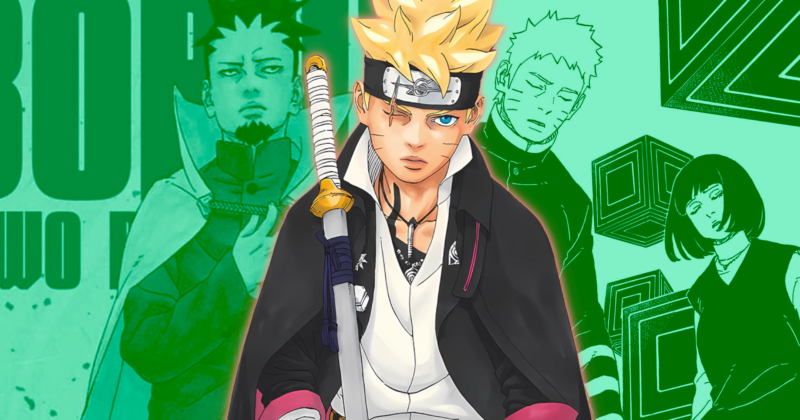
The tides began to shift with the arrival of Boruto: Two Blue Vortex. Like Shippuden before it, this new arc incorporates a dramatic time skip and ramps up the stakes. Boruto returns as a more mature, formidable shinobi, burdened with new responsibilities and battles that redefine his place both in his family and the ninja world. More importantly, this series delivers a much-needed recalibration: actions have deeper consequences, allies and antagonists feel layered again, and Boruto’s own growth is tangible. As anticipation builds for the anime adaptation, there’s a newfound hope that dissatisfied fans could soon witness one of anime’s most striking turnarounds.
How Anime Redeems the Unlikable: Precedents and Expectations
Boruto’s quest for approval mirrors a long-standing trend of redemption in anime. Once criticized for her apparent ineffectiveness, Sakura Haruno eventually earned recognition as one of the strongest medical-nin in the saga—proof that strong writing can transform perception. Anime history is dotted with polarizing figures: Gendo Ikari in Neon Genesis Evangelion, the notorious Shou Tucker from Fullmetal Alchemist: Brotherhood, and Rachel from Tower of God each spark heated debates, yet there’s a sharp difference: their stories rarely revolve around their redemption. Boruto’s potential shift offers a chance at rewriting a franchise narrative.
What Could Change for Boruto’s Legacy?
If Two Blue Vortex succeeds, it could mark a tectonic shift not only for Boruto as a character but for the entire Naruto property. This is more than just an attempt to recapture nostalgia—it’s about reviving the sense of purpose, hardship, and heroism that made the original series so compelling. All eyes are now on what the next anime evolution will bring, both for longtime Naruto devotees and a new generation of viewers entering this legendary universe for the first time.