Karl Urban’s Dredd: More Than Just a Cult Movie
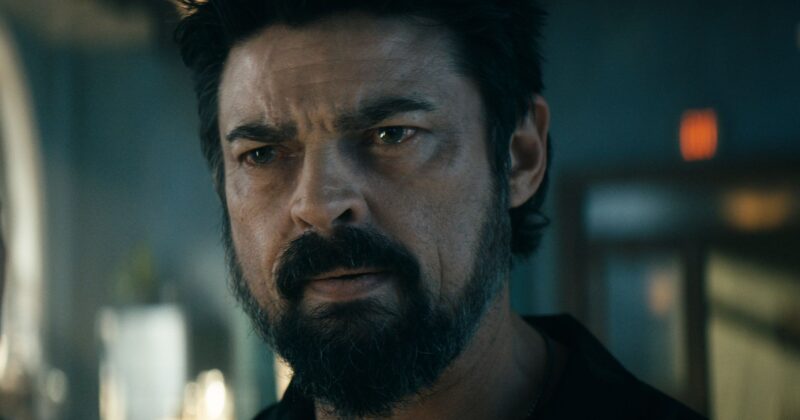
In a landscape saturated by superhero blockbusters, Karl Urban’s portrayal of Judge Dredd stands as a defiant outlier. Urban’s Dredd movie didn’t set the box office on fire upon release, but it found its audience—fans who appreciated its relentless pace, unapologetic violence, and gritty fidelity to the classic 2000 AD comics. With dazzling slow-motion action, dark satire, and cyberpunk aesthetics, the film quickly gained cult status, sparking relentless demand for a follow-up.
The Sequel Most Fans Never Discovered
For years, talk of a cinematic sequel to Dredd has circulated, buoyed by Karl Urban’s own willingness to return to Mega-City One ‘in a heartbeat.’ What many overlook, however, is that Judge Dredd’s story did continue—just not in theaters. In 2014, Dredd: Underbelly was released as an official comic book sequel, acting as a direct narrative bridge from the movie’s conclusion. Published by 2000 AD, Underbelly expanded on the dystopian universe, picking up the threads where the film left off, and inviting readers back into the towering crime-ridden sprawl of Mega-City One.
This was far from a one-off. Over the next few years, the saga flourished in comics such as Dust—which sent Dredd into the radioactive wasteland known as the Cursed Earth—and Uprise, digging deeper into the social unrest and systemic corruption that define the Judge Dredd universe. Even Judge Anderson, memorably played by Olivia Thirlby onscreen, broke out with solo adventures on the comic page, each title shedding new light on facets of this bruised but unbroken dystopia.
Why the Dredd Comics Matter for Fans
Although these comic continuations lacked the cinematic flair of Dredd writer Alex Garland—who reportedly ghost-directed the original film and planned for a trilogy including the infamous Dark Judges—they still delivered striking visuals and action-driven storytelling. For readers hungry for more of Urban’s gritty lawman, these comics offered rare, canonical glimpses into what could have been. The final arc, Final Judgement, pits Dredd against a twist on the Dark Judges, providing a definitive and satisfying conclusion for this particular incarnation of the character.
The Elusive Dream of a Dredd Sequel
Despite strong home video sales and the cult following, the long-dreamed-of movie sequel remains stuck in development limbo. Hopes momentarily spiked with announcements of a live-action series, Mega-City One, but years later, progress remains stalled. Judge Dredd’s return to the big screen could still happen, with celebrated filmmaker Taika Waititi currently named as a director for a new film. The prospect of Urban reprising his role lingers—bolstered by his past collaboration with Waititi on Thor: Ragnarok—but any connection to the 2012 film looks unlikely at this stage.
The Judge Dredd Franchise: From Satirical Comics to Multimedia Phenomenon
Since debuting in 2000 AD magazine in the late ‘70s, Judge Dredd has become a touchstone of dystopian fiction. The character embodies both the law and its excesses, policing Mega-City One with an iron fist in a world where crime and chaos threaten to overwhelm civilization. The franchise has delivered everything from arcade classics to video games and two contrasting film adaptations: Stallone’s 1995 epic and Urban’s pared-back, hard-edged vision, both leaving indelible marks on pop culture.
For those craving more of this universe, the legacy of Dredd’s comic sequels remains a rewarding, if sometimes overlooked, chapter. Readers can still immerse themselves in these stories through official 2000 AD collections, discovering both closure and inspiration in Karl Urban’s unswervingly grim justice—and perhaps fueling hope that Mega-City One might rise again, on screens or in panels, for a new generation.