Ravenloft Brings the Reworked Grave Cleric Back to D&D: Why Dungeon Masters Should Be Wary

The Ravenloft Expansion Ushers in a Season of Horror for D&D
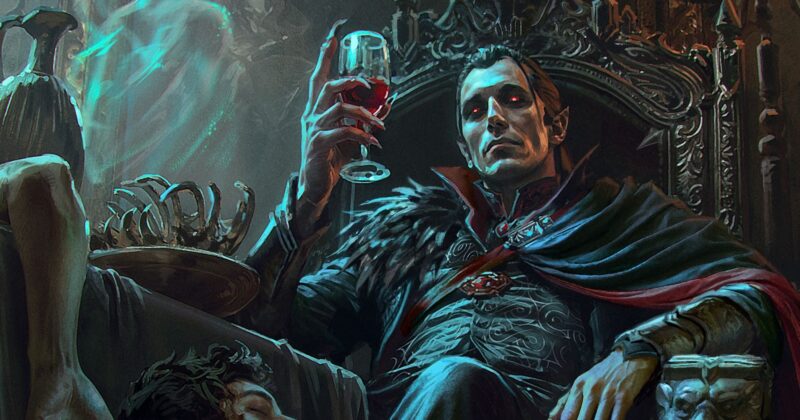
For those who live and breathe Dungeons & Dragons, the arrival of Ravenloft: The Horrors Within marks more than just another sourcebook—it signals a seismic shift in the landscape of tabletop play. With Wizards of the Coast rolling out substantial updates, the classic horror setting of Ravenloft is expected to receive a richer, more nuanced treatment, challenging players and Dungeon Masters (DMs) alike. Alongside new narrative hooks and campaign tools, the return—or perhaps resurrection—of iconic subclasses is on the horizon.
The Grave Cleric Subclass: A Dark Blessing for Adventuring Parties
The reworked Grave Domain Cleric is generating exceptional buzz. While nothing is officially confirmed in hard details yet, playtest materials and thematic hints make it nearly certain that this subclass will stand center stage in the new Ravenloft collection. Thematically, Grave Clerics fit Ravenloft’s eerie, undead-laden vibe perfectly—ideal for campaigns traversing domains of dread and confronting vampiric overlords or haunted crypts. Gameplay-wise, these Clerics have always been a favorite for those who want more than just a healing or supportive role; their toolkit bridges buffing, healing, and hard tactical utility.
A Subclass Built on Resourceful Resilience
One of the defining features of the Grave Domain in prior editions was the power to negate Critical Hits on nearby allies, offering a lifeline in the game’s most lethal moments. The Sentinel at Death’s Door ability was a game-changer, transforming a devastating blow into something survivable. Early indications suggest that this ability is being adapted: instead of simply cancelling crits, the new iteration lets Grave Clerics halve any incoming damage—not just critical hits—directed at team members within a 30-foot radius. The catch? This power activates only when a character is ‘Bloodied,’ having lost at least half their max HP. It’s a strategic boost that encourages careful timing and situational awareness, rather than pure reaction.
How This Impacts Tabletop Dynamics
This upgrade is a double-edged sword, giving parties a more reliable safety net while also putting new pressure on DMs. The design stops short of letting Grave Clerics dominate every encounter by putting a cap on when and how often the halving can be used. Now, DMs will have to account not just for big crits, but for any momentum shifts that could arise once allies get ‘Bloodied.’ This feature has always been notorious for stymying high-stakes encounters, forcing DMs to recalibrate boss mechanics, monster tactics, and encounter pacing.
Why Players and DMs Are Already Debating Its Balance
For players, especially those who enjoy balancing offense and clutch support, the new Grave Domain design feels fairer and more rewarding. The dicey element of timing the feature right—as opposed to simply countering DMs’ critical hits—means there’s legitimate skill and judgment involved. On the flip side, DMs now face a subclass that can blunt even the most unexpected sources of damage, shifting the dramatic tension at life-or-death moments. Expect spirited discussions in the D&D community on how this impacts high-tier and horror-themed play.
Tips for Maximizing the New Grave Cleric
If you’re planning to bring a Grave Cleric into your group, focus on mastering timing and positioning. Save the halving feature for critical moments when an ally is truly on the brink. Combine this with classic cleric spells for crowd control and battlefield support, and don’t overlook synergy with classes that have high burst potential or ‘save-or-die’ threats. DMs, meanwhile, may want to rethink encounter escalations, monster AI, and environmental hazards—your big bad’s critical is no longer the single trump card it once was.
D&D Evolution: A Nod to History and a Challenge for the Future
The reintroduction and rework of the Grave Cleric is a testament to the way Dungeons & Dragons constantly evolves, repurposing iconic mechanics for fresh challenges. As Ravenloft: The Horrors Within takes center stage, it’s clear that narrative and mechanical horror are alive and well—inviting players and storytellers to push the boundaries of what’s possible around the table.