The Beginning: A Sci-Fi Classic is Born
From a fever-induced vision of a relentless metal figure rising from ruin, James Cameron sparked one of science fiction’s defining franchises. The original Terminator film proved that even a limited budget could be turned into a sprawling, nightmare-fueled chase across Los Angeles, blending cyberpunk aesthetics with slasher-film tropes. The image of Arnold Schwarzenegger as the near-unstoppable T-800, hunting Linda Hamilton’s Sarah Connor, established a template that melds existential dread with explosive action.
Terminator: The 80s Techno-Thriller That Spawned a Legacy
Cameron pushed innovative effects and a pounding, mechanical score by Brad Fiedel, resulting in one of the most iconic soundtracks in genre cinema. Schwarzenegger’s menacing performance cemented his status as an action icon, while Michael Biehn and Linda Hamilton brought raw humanity to roles that still resonate. For audiences accustomed to today’s visual effects, some sequences might look dated, but it’s that practical tactility that helps the original Terminator endure as both action and horror masterpiece.
Judgment Day: Raising the Bar for Blockbuster Sequels
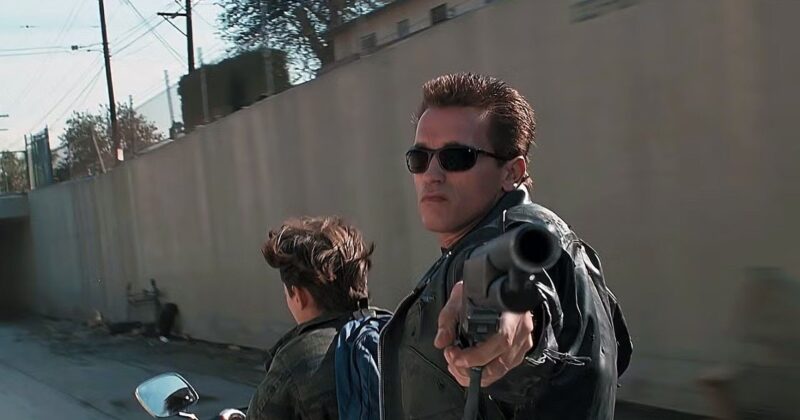
The fan-fueled cult following and VHS boom laid the foundation for Terminator 2: Judgment Day, a film that not only defined action standards for an entire generation but injected philosophical questions about technology and fate. With the T-800 shifting from menace to protector, Schwarzenegger delivered an unforgettable evolution. Linda Hamilton’s transformation into a hardened, yet vulnerable, warrior mother gave the sequel its emotional core.
Robert Patrick’s T-1000 redefined the visual limits of the era with groundbreaking CGI, his liquid metal form still an effects milestone. Key setpieces—from the storm drain chase to the Cyberdyne siege—remain blueprints for edge-of-your-seat cinema. Underneath the carnage lies an eerily prophetic warning about AI, making its themes especially topical in 2026 and beyond.
Rise of the Machines: Shifting Gears and Tones
By the time Terminator 3: Rise of the Machines arrived, both Cameron and the harder edges of the franchise were missing. The baton passed to Jonathan Mostow, who delivered robust action but leaned into broader humor and box office-friendly violence, possibly to coincide with Schwarzenegger’s burgeoning political ambitions. The T-X, while conceptually intriguing, lacked the pure menace of past antagonists, and only the film’s grim final twist recaptured some of the saga’s original bite. Claire Danes, as Katherine Brewster, injected some freshness, but the third film is often remembered as a safe, audience-oriented sequel that played to mainstream expectations more than it advanced the story.
A Glimpse into Humanity’s Fall: Terminator Salvation
The franchise briefly abandoned both Schwarzenegger and its cyclical time travel to deliver Terminator Salvation, plunging directly into the devastated future war. Christian Bale headlined as John Connor, but the grim, post-apocalyptic aesthetic couldn’t disguise a fractured script and tonal inconsistencies. The choice to explore new ground was gutsy, but story coherence suffered, and fans missed the intricate interplay of present and future that defined earlier entries. Despite strong performances, Salvation remains more a curiosity than a backbone installment.
Time Fractures and Franchise Fatigue: Genisys
With Terminator: Genisys, the saga doubled down on threaded timelines and franchise nostalgia. Arnold Schwarzenegger returned, facing off with both new and familiar threats in a plotline that jumped through multiple realities. Despite the promise of revitalization, muddled storytelling and awkward casting (notably in Jai Courtney and Emilia Clarke’s misaligned portrayals) left the film without the heart or inventive action of its predecessors. Genisys sprinkled in high-concept ideas, but struggled to recapture the series’ soul.
Dark Fate: Attempting a Course Correction
Bringing back both Cameron—as producer—and Linda Hamilton, Terminator: Dark Fate sought to reclaim the franchise’s legacy while introducing new blood in the form of Natalia Reyes. Tim Miller’s direction delivered palpable action and a grizzled, layered version of Sarah Connor, yet the narrative hewed too close to past formulas. While Dark Fate offers the strongest post-Judgment Day entry on a technical level, it’s also a sign of a property wrestling between innovation and reverence for original themes. Despite flashes of inspiration, the film struggled to find a broad audience, putting future sequels into uncertainty.
Why the Terminator Story Still Matters
For film, technology, and science fiction enthusiasts, the Terminator saga endures because it consistently challenges viewers to confront ideas of destiny, machine intelligence, and the price of survival. Whether rewatching for nostalgia or exploring deeper philosophical undercurrents, each entry in this franchise serves as a unique mirror to our anxieties about automation and control. Its influence continues to ripple through pop culture, and as artificial intelligence becomes increasingly commonplace, the cautionary spirit of the series remains more relevant than ever.