The Most Controversial Superhero Resurrections That Changed Comic Book History
When Death Means Nothing: The Cycle of Superhero Resurrections
In the expansive universes of Marvel and DC, the finality of death is often a fleeting concept. What once seemed like a sacred, irreversible moment—a hero’s ultimate sacrifice—can easily transform into a footnote, as familiar faces return to life, sometimes for better, often for worse. The phenomenon of superhero resurrections has evolved from a rare, deeply emotional storytelling device into a well-worn trope. Though these returns can reinvigorate long-running sagas or satisfy fan nostalgia, not every revival works in the narrative’s favor. Let’s dive deep into the most contentious comic book resurrections and explore why some of these iconic returns have left a sour aftertaste in fans’ memories.
Barry Allen: The Flash Who Broke the Rules of Legacy
Barry Allen’s heroic demise after saving the multiverse was once regarded as a pinnacle of meaningful storytelling. By sacrificing himself, Barry paved the way for Wally West, his former sidekick, to become the definitive Flash. This transition provided emotional depth and a genuine sense of consequence to Barry’s absence. However, Barry’s return under the bright lights of a new era swiftly unraveled those hard-earned stakes. The narrative momentum faltered as stories reverted to Barry’s perpetual struggle with the timeline, causing the Flash legacy to stagnate and sidelining the meaningful growth of other speedsters.
Jean Grey and the Phoenix Paradox
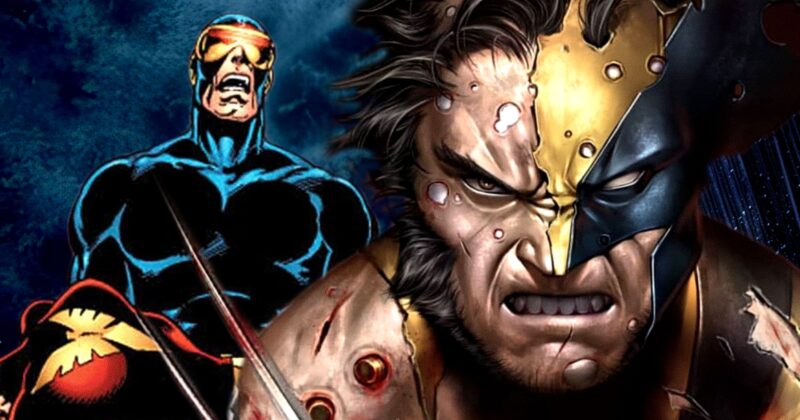
The death of Jean Grey during the legendary Dark Phoenix Saga remains one of the most hauntingly beautiful moments in X-Men history. Jean’s tragic sacrifice as she surrendered to the uncontrollable Phoenix force offered closure and depth to her arc. Yet, her convoluted resurrection—courtesy of a retcon involving a doppelganger and a submerged cocoon—almost single-handedly started the trend of undermined comic book deaths. Jean’s returns, while celebrated by fans, continually dilute the seriousness of mortality in mutant storytelling. For Jean Grey, death feels less like a journey’s end and more like an extended holiday from superhero duty.
Steve Trevor: The Persistent Love Interest
Steve Trevor’s repeated deaths and subsequent resurrections have become an ongoing subplot within Wonder Woman’s mythos. While his absence pushes Diana’s stories to deeper explorations of leadership, divinity, and sisterhood, his resurrections often reduce complex narratives back to familiar romance-driven beats. The push-and-pull dynamic feels dated, and Steve’s ongoing role can sometimes feel like a relic clinging to relevance in modern narratives.
Hal Jordan: Redeeming the Irredeemable
Hal Jordan’s arc from brightest Green Lantern to villainous Parallax was a rare, bold move in superhero storytelling. His dramatic fall and eventual sacrifice to reignite Earth’s sun marked him as a cautionary tale of heroism gone wrong. However, absolving Hal of his sins by blaming a fear parasite not only sanitized his complex journey but also pushed other notable Lanterns like Kyle Rayner to the background. The resurrection attempted to restore Hal’s reputation but did so at the expense of the depth and gravity of his original downfall.
Moira MacTaggert: From Savior to Cyborg Villain
Moira MacTaggert’s transformation in mutant lore was groundbreaking, especially when her deaths directly shaped the fate of mutantkind. However, the turn that positioned her as a mechanical antagonist felt like a step backwards, discarding decades of meaningful development. By stripping away her heroic foundation, her storyline risks becoming just another twist instead of the evolved legacy it once promised for the X-Men.
Kraven the Hunter: Haunted by His Own Legend
Kraven’s Last Hunt stands tall as one of Spider-Man’s most psychologically intense sagas. The character’s decision to end his own life after achieving his ultimate goal provided a rare, harrowing sense of closure within comic books. Yet, his ritualistic resurrection years later turned Kraven from a legendary figure of tragic victory into a standard, recurring villain. Each subsequent appearance pales in comparison to the gravitas of his famous final hunt, leaving his legacy forever shadowed by the narrative weight of his original departure.
The dance of death and return continues to be a double-edged sword, both expanding and diluting the landscapes of comics. With each resurrection, creators face the challenge of whether to honor past sacrifices or gamble with the very stakes that make these stories so powerful.