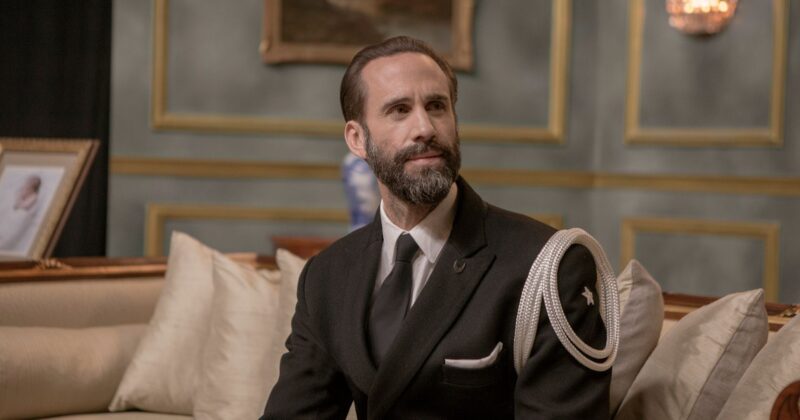
Why Hulu’s The Handmaid’s Tale Surpasses Margaret Atwood’s Dystopian Classic

Hulu’s The Handmaid’s Tale: An Unflinching Expansion of the Dystopian Genre
Since its debut, Hulu’s The Handmaid’s Tale has made waves far beyond the reach of Margaret Atwood’s original novel. With its raw depiction of religious extremism, gender oppression, and totalitarian control, the series drew immediate comparisons to current socio-political anxieties. However, what truly sets the show apart is its bold decision to extend beyond the confines of Atwood’s pages, evolving into a work that resonates with modern audiences in gripping, sometimes uncomfortable ways.
Beyond the Book: Expanding Gilead’s Dark Universe
The first season closely mirrors Atwood’s haunting narrative, ending with June (Offred) being taken away in a van—a scene that generations of readers recognized from the novel’s ambiguous finale. But where Atwood’s story closed, the show’s vision exploded outward. In its continuation, viewers witness June’s ongoing struggle and the relentless machinery of Gilead. Flashbacks retrace the rise of this theocratic regime and the systematic subjugation of women, offering chilling, humanizing glimpses into what brought the world to this point.
Season two and beyond deliver far more than just the Waterford household’s story. Instead, the focus expands to offer multiple perspectives across the fractured society of Gilead. We’re granted access to the resistance, the stories of refugees seeking safety in Canada, the intimate pain and hope of families torn apart, and the consequences of global inaction. This world-building provides a scale and emotional richness absent from the original text.
A Human Story Driven by Complex Characters
Where Atwood’s novel is internal, often abstract and deliberately limited to Offred’s point of view, the series thrives on character development and ensemble storytelling. Figures like Serena Joy, Aunt Lydia, Nick, and Luke emerge as deeply nuanced, operating in moral gray zones that reflect the complicated reality of survival under tyranny. These additions grant more voices to the powerless and explore collusion and resistance from perspectives Atwood’s single narrator could never show.
Visual Storytelling and Performance Power
The world of The Handmaid’s Tale is brought chillingly alive with stark cinematography and commanding performances, particularly by Elisabeth Moss in the role of June. The show makes relentless use of atmosphere—the bleak, color-coded visuals, the oppressive soundscapes, and the innovative flashback structure—to reinforce its themes. The result is a visceral viewing experience that immerses audiences in Gilead’s rituals and rebellion, adding urgency not easily conveyed on the printed page.
Relevance and Cultural Impact
While Atwood’s novel remains a landmark of dystopian fiction—thought-provoking for its original vision of a world teetering on the edge of authoritarian collapse—the series has achieved an unprecedented level of cultural impact. Its iconography, from the red habits to the chilling greetings (‘under His eye’), has permeated real-world protest movements and political debate. The continued expansion into Canada and the resistance turns the narrative into a global parable about borders, refugee crises, and the price of complacency.
The Legacy of Atwood’s Vision Remains Intact
Even as Hulu’s adaptation takes bold creative liberties, it never dismisses its source material. Atwood’s exploration of gender, control, and resistance endures as the backbone of the narrative. The novel’s disturbing relevance is, in part, what enabled such a rich adaptation. The upcoming Hulu adaptation of Atwood’s sequel, The Testaments, further cements the enduring appeal and urgency of this universe.
The Handmaid’s Tale isn’t merely a story—it’s a cultural force. In the current landscape of speculative fiction, few works have crossed from literary masterpiece into such a relentless, living warning about how close dystopia can truly be.