Bodycam: An Immersive Yet Problematic Dive Into Police Horror and Found Footage

Bodycam: Horror through the Eyes of Law Enforcement
Bodycam attempts a compelling experiment within the found footage genre: what if the entire story was told exclusively through the eponymous cameras clipped to police uniforms? Directed by Brandon Christensen, the film situates its audience squarely inside the tension, adrenaline, and anxiety of police patrol, forcing viewers to experience every frantic heartbeat and flash of doubt alongside its protagonists.
Technical Ambition and Cinematic Style
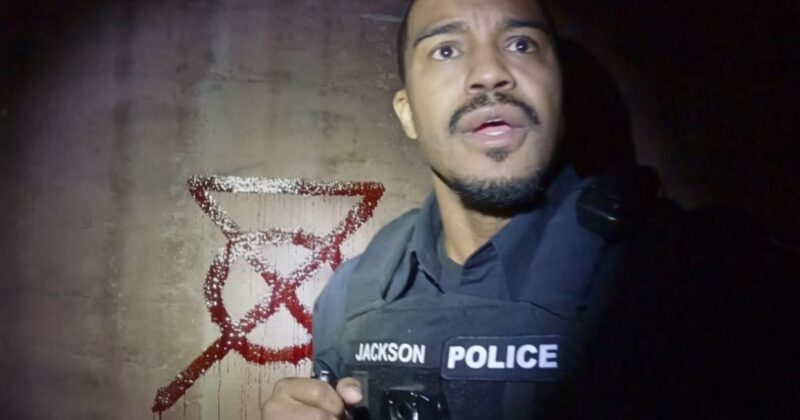
The film’s visual language is dictated by the constraints of body cameras: angled awkwardly against bulletproof vests, illuminated solely by jittery flashlight beams cradled beneath pistols, with every corner a potential threat. This claustrophobic frame, especially in the pitch-black nighttime setting, ratchets up suspense. For fans of found footage horror—think V/H/S or End of Watch—the technical execution here is impressive, given the film’s clear micro-budget. The texture and grain of these recordings add to the feeling of immediacy and dread, far from the polished sheen common in mainstream horror.
Narrative Tension and Ethical Quicksand
Bodycam isn’t content to just frighten viewers with supernatural threats. Instead, it attempts to weave real-world anxieties surrounding law enforcement, power, and fear into its fabric. Jackson (Jaime M. Callica), a principled Black officer, and Bryce (Sean Rogerson), a self-serving White cop, are drawn into a nightmarish spiral after a botched call leads to a horrific tragedy. Instead of confronting guilt head-on, they quickly resort to covering up their actions, tampering with evidence and each other’s trust.
The film is unafraid to poke at the raw nerve of “bad apple” policing, but does so with a shallow morality. It situates every tragedy on individual paranoia and incompetence rather than on deeper questions about systems of power and responsibility. The story flirts with critiquing police violence as a function of readiness and personal fear, but then pivots to supernatural possession, diluting any real-world resonance. This ambivalent posture leaves the film in an ethically gray zone that some viewers may find troubling or exploitative, especially as it leverages vulnerable communities and mental health struggles as narrative props.
Supernatural Intrusion and Genre Convention
Instead of gradual mystery, Bodycam jumps quickly into full-blown occult territory. As satanic symbols flood the screen and unearthly phenomena harrow the men, suspense gives way to a barrage of genre tropes. The tactic leaves little space for psychological horror or ambiguity; instead, it feels like a ride on rails toward inevitable chaos. By revealing its supernatural cards so early, the film erodes the mounting dread and speculation possible within found footage tales.
Character Dynamics and Social Critique
With its central duo, the narrative draws a clear contrast: Jackson, aching to do right by his battered community, and Bryce descending into self-serving desperation. The moments between them range from sincere reflections about community connection to cold pragmatism, with secondary characters like Ally (Catherine Lough Haggquist) underlining the film’s ongoing struggle to articulate a clear stance on policing ethics. At every turn, Bodycam seems unsure: does it want us to empathize with its protagonist cops, or recoil at their rationalizations?
Streamlining the Horror Experience
Clocking in at just 75 minutes, Bodycam is short even by indie horror standards, though the relentless pacing and emotional whiplash can make it feel longer. At its best, the film captures the all-consuming dread and fractured decision-making that can spiral in moments of high stress. At its weakest, it slips into tired horror conventions and muddled morality.
As of its streaming debut on Shudder, Bodycam is poised to spark debate within horror and true crime circles—a provocative, if divisive, addition to the ongoing evolution of bodycam-based and found footage storytelling.