Battlefield 6’s Success Can’t Protect Its Developers: What the Latest EA Layoffs Reveal About the Industry

Battlefield 6 Breaks Sales Records—But the Studio Isn’t Immune to Layoffs
Few expected that Battlefield 6—a game that outperformed its long-time rival, Call of Duty, and shattered franchise records—would become a symbol of uncertainty for video game developers. Its extraordinary launch saw over seven million copies sold within the first 72 hours, cementing its place as a genuine blockbuster. Yet in a move that has sent shockwaves through the industry, all four studios behind Battlefield 6—DICE, Criterion Games, Ripple Effect Studios, and Motive Studio—have been hit by significant layoffs imposed by parent company Electronic Arts.
The Layoffs Despite Success: What’s Really Happening at EA?
The layoffs have affected an unannounced number of staff across multiple teams. Even as ongoing support for Battlefield 6 continues, Electronic Arts describes the decision as a ‘realignment’ aimed at focusing development teams on priorities that matter most to their player base. Yet, the scope and scale of these cuts highlight bigger tensions within the gaming world. EA’s approach stands in stark contrast to the game’s commercial momentum and enthusiastic fanbase, which had regarded Battlefield 6 as the franchise’s return to form after previous missteps.
Technical Feats and Community Reception
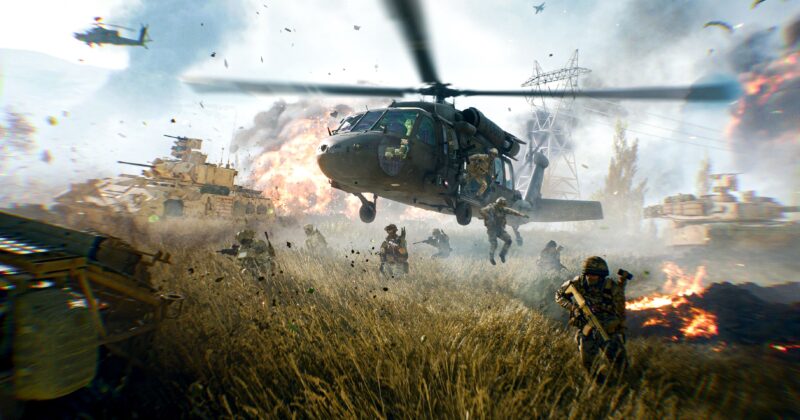
From a technical standpoint, Battlefield 6 runs on the cutting-edge Frostbite 7 engine, offering some of the most immersive large-scale battles ever seen in a first-person shooter. While the game’s campaign received lukewarm feedback, the rest of the package was widely praised, especially for its dynamic weather effects, advanced destruction systems, and the raw intensity of its multiplayer.
The sustained popularity of Battlefield 6 in its first five months was punctuated with robust updates and community events. However, some fans noted a downturn in enthusiasm with the introduction of seasonal monetization and the inclusion of low-quality, AI-generated assets—a trend that mirrors industry-wide debates around the future of live-service games.
What the Layoffs Signal for Triple-A Game Development
Perhaps the most uncomfortable truth emerging from this saga is that success in today’s triple-A games market, even on the scale of Battlefield 6’s achievements, offers little job security to developers. Games like Marvel Rivals and other live-service powerhouses demonstrate that blockbuster launches no longer guarantee developer stability. Instead, studios face ever-increasing pressure to adapt to shifting corporate priorities, exacerbated by boardroom decisions made in the wake of massive corporate acquisitions—such as EA’s recent high-profile buyout by Saudi Arabia’s Public Investment Fund and major private equity players.
The sweeping nature of these layoffs comes on the heels of similar cuts at BioWare and Respawn Entertainment. Since 2022, tens of thousands of industry professionals have seen their positions eliminated, reflecting broader crises in game development and live-service economics. The ripple effects may impact Battlefield 6’s post-launch content cadence and cast doubt on the future direction of the series—potentially slowing innovation, live events, or new DLC updates that players have come to expect.
The Players and the Industry: An Unsettled Future
For players, the fallout from these changes goes beyond immediate content updates. Each decision increasingly highlights the fragile nature of game development careers, and the gap between what communities want and how publishers operate. As Battlefield 6 continues to thrive in player numbers and critical acclaim, the saga stands as a stark reminder of the volatility underpinning even the most celebrated titles within the gaming landscape.