Apple TV Charts a New Course with Cape Fear
When Apple TV announced a fresh adaptation of Cape Fear, the move raised many eyebrows across Hollywood and among fans of psychological thrillers. This isn’t just a rerun of a familiar story — rather, it is a bold attempt to inject new energy into a classic, once again proving that streaming platforms are willing to take ambitious creative risks.
A Legacy Reinvented: From Classic Cinema to Modern Streaming
The roots of Cape Fear run deep in film history. Its impact can be traced not just through Martin Scorsese’s iconic 1990 film, but through decades of pop culture references — the most memorable being the hilarious ‘Cape Feare’ episode of The Simpsons, and the acclaimed play Mr. Burns, a Post-Electric Play. It’s a story that has thrived on reinvention, always resonating with anxious audiences and redefining what psychological horror means for each new era.
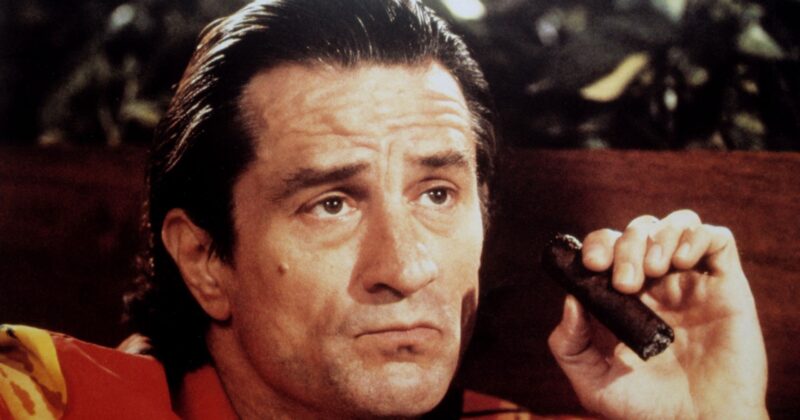
The upcoming Apple TV series stars Javier Bardem as the menacing Max Cady, opposite Patrick Wilson as public defender Tom Bowden. Bardem’s casting alone all but assures a performance layered with nuance and menace, inviting new comparisons with Robert De Niro’s unforgettable original portrayal. Apple is leveraging the long format, giving space for deeper psychological exploration and societal relevance that shorter films often can’t manage.
What’s New in This Vision of Cape Fear?
This updated series isn’t content to just retread old ground. Amy Adams joins as Anna Bowden, now cast as an attorney herself — a subtle, but impactful narrative shift. Audiences can expect Anna to be more than a background figure; her professional insights are likely to play a key role in the web of guilt, justice, and vengeance. It’s a logical update, especially as legal dramas continue to flourish in the age of prestige TV.
At the creative helm, Nick Antosca brings a resume full of modern horror and crime masterpieces, including Brand New Cherry Flavor, Candy, and Channel Zero. With industry titans like Stephen Spielberg and Scorsese himself serving as executive producers, anticipation is high that this series will blend classic suspense with contemporary sensibilities.
Why Revisit Cape Fear Now?
Unlike previous versions, this adaptation has the opportunity to engage directly with the aftermath of the MeToo movement, systemic injustice, and shifting cultural attitudes toward crime and punishment. The original film was lauded for its pulpy intensity, overt tension, and Robert De Niro’s bravura performance — but it was also unapologetically stylized, even campy at times. In contrast, television’s elongated storytelling style is uniquely suited to exploring the gray areas of morality and justice: The Night Of, The Wire, and Hannibal are all sterling examples of how the small screen has overtaken cinema in unraveling complex characters and ambiguous motivations.
As a result, Apple TV’s Cape Fear is poised not just to rehash previous iterations, but to challenge and deepen the story. Expect to see more focus on the complexities of all the principal characters — not just the villain’s sinister obsession, but the moral compromises made by those who seek to stop him. With a longer runtime, writers can offer previously sidelined players (like Anna Bowden) greater agency and psychological depth.
A Story Built for Reinvention
Some may forget that Scorsese’s own Cape Fear was already a reimagining of a tense 1962 film, itself adapted from John D. MacDonald’s novel The Executioners. This enduring tale is proof that certain stories are timeless — malleable to the era in which they’re told, alive to new readings and ethical dilemmas. The protagonist’s decision to tamper with justice, believing it’s for the greater good, remains as compelling and controversial now as it was sixty years ago.
The series also stands as a testament to streaming’s creative power in 2026. With a cast this strong and guiding hands like Antosca, Spielberg, and Scorsese, expectations are high for a version of Cape Fear that both honors and transcends what came before, forging a new standard for psychological thrillers in the streaming age.