Why The Great Remains Hulu’s Most Daring Period Drama

A Bold Take on History Like Never Before
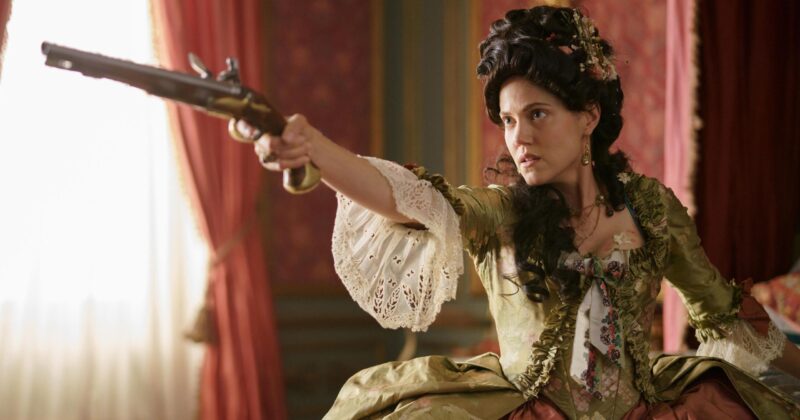
When viewers think of period dramas, it’s tempting to picture rigid, historically accurate stories unfolding with lavish costumes and constrained dialogue. The Great shatters every expectation, taking the towering figure of Catherine the Great and turning her rise to power into a delirious blend of razor-sharp satire, biting comedy, and genuine pathos. While the series might take liberties with accuracy—openly calling itself ‘an occasionally true story’—that’s a conscious creative decision, not a shortcoming. Instead, the show thrives on bold storytelling and irreverent humor, consistently surprising with every episode.
Stellar Cast and Unmissable Performances
Much of the magic lies in the casting. Elle Fanning and Nicholas Hoult have alchemical chemistry as Catherine and Peter. Their verbal duels are matched only by physical comedy and charged moments that oscillate between affection and hostility. Surprising cameos from the likes of Gillian Anderson and Jason Isaacs inject further energy and prestige, while a stacked supporting cast ensures every scene teems with personality. This is one of those rare shows where every actor feels essential, and every character, however absurd, gets their moment to shine.
Rewriting History With A Witty Edge
Hulu’s library has become synonymous with genre-defining period pieces, and The Great stands in sharp contrast to sober titles like The Handmaid’s Tale. Instead of dry fact-checking, viewers are treated to a rollercoaster of modern wit blended seamlessly with historical context. You don’t need to be a history buff—or even know who Catherine the Great was—to fall in love with the series. In fact, the less you know, the more fun you’ll have watching the show twist real events into theatrical, laugh-out-loud TV, following a path famously tread by Sofia Coppola’s cult classic Marie Antoinette.
A Trendsetter for Historical Satire
The Great cemented itself as part of a growing trend in historical dramas favoring reinterpretation over accuracy. This isn’t about rewriting the past for the sake of rewriting, but about using history as a playground to explore current themes: gender, power, and politics all get their turn under the spotlight. Rather than strictly adhering to the facts, creators like Tony McNamara give audiences freedom to focus on the drama and comedy of human nature. It’s an approach echoed by other streaming hits—take Netflix’s Bridgerton, which builds an alternate Regency England brimming with color-blind casting and dazzling anachronisms. While these choices could divide critics, they have instead created a new genre of period entertainment, as reflected in the consistently high critical acclaim on Rotten Tomatoes.
Ratings That Speak Volumes
A look at the numbers reveals just how beloved The Great has become among both critics and audiences. With multiple seasons earning near-perfect scores from critics, it’s clear this isn’t just another period drama: it’s a boundary-pushing cultural event. Every season has brought fresh spectacle, audacious performances, and a unique sensibility that keeps viewers clamoring for more.
Reality, Rumor, and Roller Coasters
Even behind the wildest inventions of the series, kernels of truth persist. Catherine’s legacy as a pioneer of science, education, and even amusements (yes, she really had a hand in early roller coasters) rises above the persistent rumors invented by her political enemies. The show doesn’t shy away from these myths; instead, it embraces and subverts them, building a narrative as empowering as it is comedic. Meanwhile, Peter’s character—depicted as boorish and narcissistic—also draws from genuine accounts, lending an edge of credibility amidst the chaos.
The Legacy of The Great
With its lavish production, audacious humor, and keen sense of both history and reinterpretation, The Great stands tall not just among Hulu originals but within the recent wave of prestige TV. If this series inspires other creators to take similar risks, expect the landscape of historical television to become ever more dazzling, unpredictable, and wickedly smart.