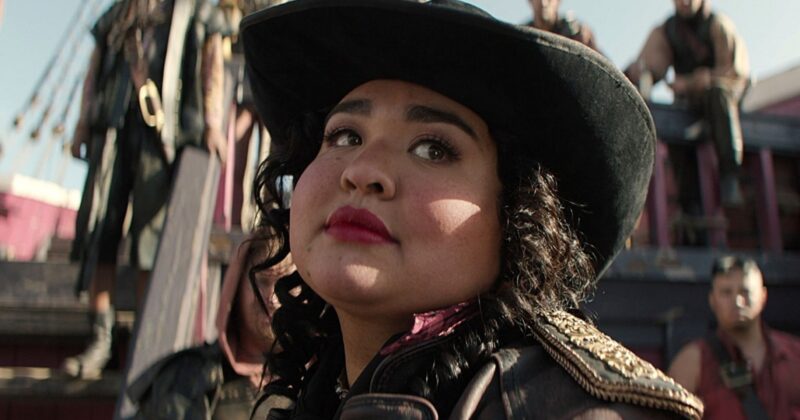
Why Alvida’s Transformation in Netflix’s One Piece Live-Action Matters More Than You Think

Alvida’s Striking New Look in One Piece: The Evolution Behind the Pirate Captain
The arrival of One Piece season 2 on Netflix thrusts the Straw Hat crew into even deeper waters, both in terms of peril and character dynamics. Among the returning antagonists, Alvida stands out with a transformation that’s not just cosmetic—the pirate captain’s reinvention is true to the anime and manga roots, while also offering vital context for newcomers to the Grand Line adventure.
From Intimidating Foe to Slip-Slip Strategist
Alvida’s return doesn’t just up the stakes for Monkey D. Luffy and his crew; it redefines what viewers can expect from character progression in live-action adaptations. Played by Ilia Isorelýs Paulino in both seasons, Alvida is no longer simply a brute force rival. With experience under her belt, she’s learned to approach Luffy differently, outgrowing her earlier underestimation of his Gum-Gum powers.
The most visible sign of her evolution? Her body and abilities, now enhanced by the consumption of the legendary Slip-Slip Fruit—one of the canonical Devil Fruits that grant users extraordinary powers at a steep cost.
The Science and Lore of the Slip-Slip Fruit
In One Piece’s elaborate world-building, Devil Fruits are central to both lore and spectacle. By consuming the Slip-Slip Fruit, Alvida’s skin becomes frictionless, giving her near-invulnerability to physical attacks—blades, fists, and environmental dangers simple glide off with little effect.
This power isn’t just played for spectacle: it dramatically shifts her combat style. No longer a target, she becomes a slippery, formidable opponent, challenging the Straw Hats to rethink direct confrontation. The show’s practical effects and makeup work further underscore her ‘slick’ exterior, which is rendered with a sleek, almost luminous polish that stands in sharp contrast not just to her earlier appearance, but to the gritty aesthetic of the pirate world around her.
Visual Continuity and Narrative Growth
Unlike many TV shows that recast or redesign characters without narrative justification, Netflix’s adaptation holds true to Eiichiro Oda’s vision. Paulino’s continued portrayal of Alvida ensures authenticity: fans are witnessing the character’s journey, not a swap of faces or personalities. This authenticity helps sell the transformation, rooting it in story rather than studio whim.
One subtle but important change distinguishes the adaptation from its source: gone is the manga and anime trope where Alvida’s transformation incites swooning infatuation among onlookers. Instead, the live-action script smartly centers the impact on combat mechanics and personal confidence. This choice not only avoids dated gender implications but focuses the narrative on formidable rivalry and personal agency within the pirate ranks.
Alvida’s Role Beyond Season 2: What Awaits in the High Seas?
While Alvida appears in just one pivotal episode, her presence is anything but fleeting for long-time fans. Her alliance with Buggy the Clown creates one of the franchise’s most unpredictable duos. In the manga and anime, their power dynamic ebbs and flows, with Alvida’s fortunes rising or falling depending on Buggy’s stunts and misadventures.
This adaptability makes her a valuable recurring antagonist. Her Devil Fruit powers and intimate rivalries ensure she can be brought back as storylines demand—slotting naturally into pirate politics, major battles, or chaotic arcs as the world of One Piece expands.
Given how faithfully the adaptation has traced the manga’s arc structure so far, it’s very likely viewers will see more of Alvida as future seasons unfold. Her peculiar set of skills, signature rivalry with Luffy, and the intricate network of pirate alliances promise she’ll keep spinning into the Straw Hats’ journey, never quite out of reach or out of mind.