How Buffy the Vampire Slayer Transformed Teen Dramas and Pop Culture Forever
The Day Television Changed: Buffy the Vampire Slayer’s Radical Debut
When Buffy the Vampire Slayer burst onto television, it wasn’t just the arrival of another teen drama—it was the spark of a revolution in how stories about teenagers could be told. On the surface, it looked almost improbable: a blonde teenager hunting monsters with quippy one-liners, conceived as a second chance after a failed film. Yet, against all industry logic, Buffy turned out to be exactly the disruptive jolt television needed.
Teen Angst Meets Horror: A Genre-Defining Mashup
Buffy’s genius lay in merging supernatural horror with honest, sharp teen drama. The show didn’t just sprinkle in a few monsters for novelty; instead, it used vampires, witches, and otherworldly threats as metaphors for the issues haunting everyday adolescence. Episodes like ‘Witch’ explored parental pressure through supernatural competition, while ‘The Pack’ tackled peer influence with a dark, humorous twist. In Buffy’s world, the halls of Sunnydale High became literal battlegrounds for teenage identity and survival.
What truly set Buffy apart was its dialogue—fast, witty, and full of references that made the characters feel like real teens. ‘Buffy speak’ became a phenomenon of its own; the way Buffy herself quipped, ‘If the apocalypse comes, beep me,’ encapsulated the unique blend of irreverence and heroism that hooked viewers and critics alike. The show’s tone, both defiant and deeply human, reshaped expectations for what teen series could accomplish.
Subverting Stereotypes: New Archetypes for a New Era
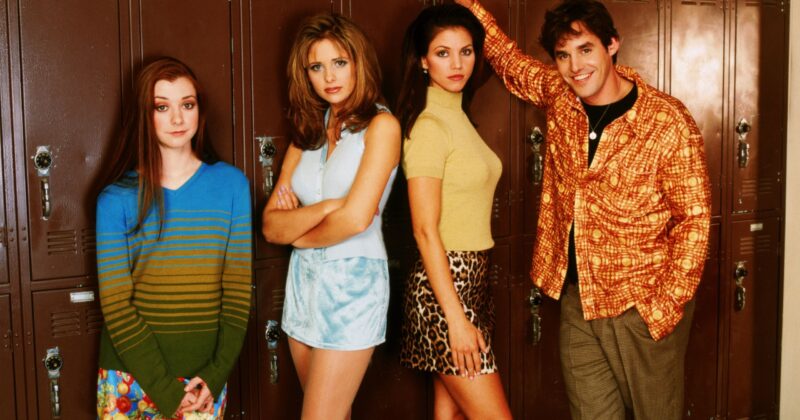
Buffy’s creator imagined a world where the typical horror victim—the pretty blonde—would become the predator, not the prey. This revolutionary idea extended to the entire cast. Characters introduced as classic tropes—a catty queen bee, a bumbling comic relief, a shy computer nerd—quickly broke the mold. Cordelia Chase emerged from her ‘mean girl’ shell as a feminist icon, while Willow Rosenberg’s growth from wallflower to formidable witch provided one of television’s most compelling character arcs.
Buffy redefined the female lead for an entire generation. While romance had long been the expected focus for girls on teen TV, Buffy and her friends were shown fighting evil, building genuine friendships, and questioning the roles society handed them. This was a series as much about agency as action, daring young women to imagine themselves as more than just someone’s girlfriend or sidekick.
The Ripple Effect: Buffy’s Enduring Influence on TV and Beyond
Decades later, Buffy’s legacy continues to echo across countless series. Shows like The Vampire Diaries and Veronica Mars have followed its blueprint, blending genres and elevating their protagonists with layered challenges and witty dialogue. Buffy also proved that teen dramas could be cool, smart, and worthy of critical attention—not just melodramatic escapism.
But perhaps Buffy’s most radical gift was in reshaping the myth of the Chosen One. The series questioned the very idea that only one person could matter or make a difference. Buffy’s strength wasn’t just in her powers—but in her capacity for friendship and her refusal to follow someone else’s script for her life. When Willow’s spell shared that power, it made a statement that still resonates: true strength comes from community and self-acceptance, not just destiny.
Today, looking back on Buffy the Vampire Slayer, it’s impossible not to see the seismic shift it brought to teen TV—and to pop culture at large. For fans new and old, the lesson remains: sometimes it takes a teenage girl with a stake—and a sharp wit—to change the world.