How Love, Death & Robots Is Reinventing Sci-Fi Anthologies on Netflix

Breaking the Mold: Love, Death & Robots Redefines the Anthology Format
Anthology series have long been a playground for experimental storytelling, from the eerie corridors of ‘The Twilight Zone’ to the striking segments of ‘Creepshow.’ Yet, few modern anthologies have dared to stretch the boundaries like Love, Death & Robots, Netflix’s genre-defying collection of animated sci-fi shorts. While the show is often compared to titans like ‘Black Mirror,’ it has steadily claimed its own space through relentless innovation in both format and style.
The Power of Animation—and Then, the Unexpected
Central to the show’s DNA is its animation. Each episode is a self-contained universe, meticulously crafted by a different animation team, ensuring every installment boasts a distinct visual identity. In one moment, you’re plunged into the photo-realistic dread of ‘Beyond the Aquila Rift,’ its uncanny animation amplifying the horror. In another, you’re laughing at the manic, dizzying pace of ‘Night of the Mini Dead,’ brought to life through frenetic stop-motion. This endless variety is more than visual flair; it’s integral to the series’ storytelling ethos.
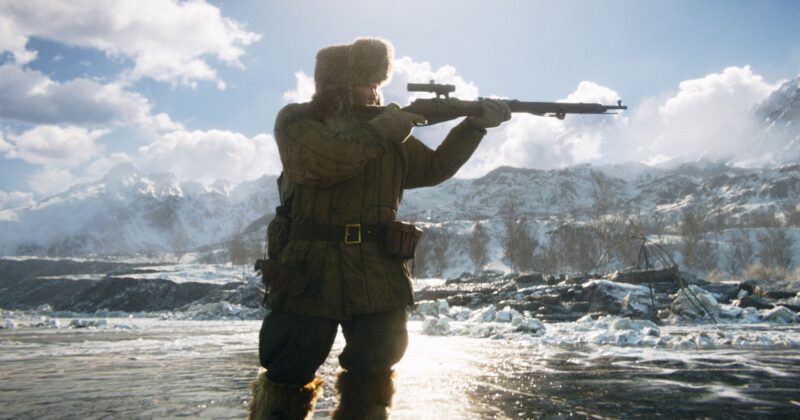
But just when audiences thought they knew the rules, the creators flipped the script, twice. Season 1’s ‘Ice Age,’ starring Mary Elizabeth Winstead and Topher Grace, marked a daring leap into live action. Here, the show’s meticulous world-building collided with human performances, suspending disbelief in surprisingly provocative ways. Fast forward to ‘Golgotha’ in season 4, and the pattern repeats—director Tim Miller subverts expectations, deploying Rhys Darby as Father Donal Maguire for a first-contact story unlike anything else in the series. Both episodes maintain the show’s signature unpredictability—proof that, in this universe, not even the medium is sacred.
Why These Live-Action Episodes Matter
Choosing to incorporate live-action wasn’t just a gimmick. It signaled something deeper: a willingness to challenge what’s possible within an anthology, and even what defines an animation series. By blurring genres and switching mediums, Love, Death & Robots reflects a larger trend in premium television—the era of fixed expectations is over. Now, shows can leap between styles, moods, and even realities, as long as the vision and narrative justify the jump.
For fans of sector-defining sci-fi, this is a blessing. It’s no longer enough for an anthology to deliver smart stories; the packaging itself has become part of the thrill, keeping viewers on their toes and creating watercooler moments with every surprising pivot. If you’ve found yourself craving originality post-‘Black Mirror,’ this is the show that keeps remixing the rulebook.
The Future of Anthologies: Unpredictability as a Superpower
What sets Love, Death & Robots apart in a crowded field is its radical unpredictability. One season might deliver gut-punch horror; the next, whimsical science fiction, and, suddenly, a live-action drama that feels experimental. This hunger for surprise is reminiscent of other genre-bending anthologies like ‘Guillermo Del Toro’s Cabinet of Curiosities,’ but with a digital-age twist—nothing about the show’s format, tone, or aesthetic is ever quite safe or expected.
If streaming platforms are the new frontier for boundary-pushing genre storytelling, then Love, Death & Robots is its fearless explorer. So whether you’re intrigued by animated dystopias, dark comedy, or the thrill of never knowing what comes next, this Netflix original promises a continually evolving experience—rule-breaking included.