The Real Names of Every Pokémon Game Protagonist: Canon Trainer Names Explained
The Hidden Identities of Pokémon’s Main Characters
From the earliest days in Kanto to the open worlds of Paldea and beyond, Pokémon has invited millions to step into the shoes of a young trainer. While players have always enjoyed the option to name their character, each game’s lead actually possesses an official, canonical name that ties closely to the game’s themes, region, or even developer inspirations. These names reflect a blend of tradition, culture, and clever wordplay, forming a subtle tapestry woven through generations of games, anime, and adaptations.
Official Names Across the Main Pokémon Games
The original Pokémon Red and Blue began this legacy, with the protagonist simply referred to as Red — both a nod to the game version and a touch of simplicity fitting for a ’90s RPG. Their rivals often drew inspiration from icons like Satoshi Tajiri and Shigeru Miyamoto, representing the creative heart behind the series. Later titles introduced officially named female leads, starting with Kris in Pokémon Crystal, breaking new ground for player choice.
- Pokémon Red/Blue/Yellow: Red
- Pokémon Gold/Silver: Ethan
- Pokémon Crystal: Kris
- FireRed/LeafGreen: Leaf
- Ruby/Sapphire/Emerald: Brendan & May
- Diamond/Pearl/Platinum: Lucas & Dawn
- Black/White + Black 2/White 2: Hilbert & Hilda, Nate & Rosa
- X/Y: Calem & Serena
- Sun/Moon + Ultra Sun/Ultra Moon: Elio & Selene
- Let’s Go, Pikachu!/Eevee!: Chase & Elaine
- Sword/Shield: Victor & Gloria
- Legends: Arceus: Rei & Akari
- Scarlet/Violet: Florian & Juliana
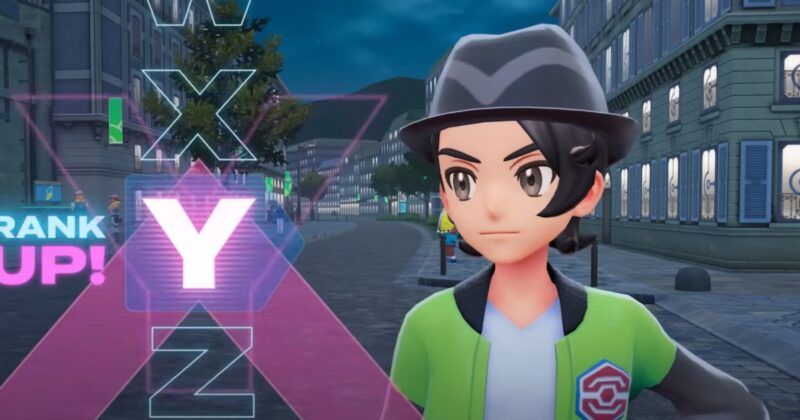
- Legends: Z-A: Paxton & Harmony
This pattern continues into the most recent releases. Protagonist names, once overt references to their games (Red, Blue, Gold), have gradually shifted to more natural or symbolic names. Victor and Gloria from Sword and Shield are direct references to the UK’s national anthem (‘victory’ and ‘glory’), while Florian and Juliana from Scarlet and Violet relate to themes of youth and growth reflected in the setting’s academic focus. Even the upcoming protagonists from Pokémon Winds and Waves are speculated to have names inspired by wind, water, and Southeast Asian linguistic roots.
How Do Trainers Get Their Canon Names?
Official trainer names are not always present from the first reveal; often, they become canon through subsequent media like the hit mobile game Masters EX or when characters reappear in anime or manga adaptations. For example, although Red was originally just one of several default names, his official status was secured through both narrative prominence and recurring appearances in various titles.
There’s often fascinating linguistic layering in these choices. The names from Black and White — Hilbert and Hilda — are rooted in Germanic terms for ‘battle.’ In Legends: Z-A, Paxton (including the Latin ‘pax,’ meaning ‘peace’) and Harmony (with its obvious English resonance) both reference the central themes and even previous entries like Pokémon X and Y.
Spin-Off Stars and Noteworthy Mentions
Though mainline games maintain tight control over protagonist names, a handful of spin-offs join the tradition. The Pokémon Trading Card Game series stars Mark and Mint, while Pokémon Snap introduced Todd, a beloved photojournalist who’s appeared elsewhere in the expanded universe. Even detective stories like Detective Pikachu grant their own human lead, Tim Goodman, a place in the canon roster.
Evolution of Trainer Customization
Pokémon has gradually implemented more inclusive options for character customization. With the release of Legends: Z-A, gender-based outfit restrictions were lifted, allowing trainers to freely express themselves through avatar fashion choices. This modern shift reflects changing cultural attitudes and opens up new layers of self-expression previously unavailable in past generations.
Male or Female? Does It Matter?
Across virtually all mainline entries, players can choose a male or female protagonist, setting the tone for their adventure and reflected in rival relationships and anime adaptations. In the narrative canon, both options are valid—no version is deemed ‘more official’ in the grand story. Whichever face you choose, the journey remains equally heroic and wholly yours.
Connecting Trainers and Culture
Every Pokémon protagonist’s name is more than just a tag—these are touchpoints linking the worlds of the games, the adventures of the anime, and the imaginations of millions of fans. Behind every nickname and avatar lies a deeper story, blending language, region, and the unyielding spirit of adventure that defines Pokémon to this day.