Why Luffy Laughs at Death: The Hidden Depths of One Piece’s Hero Revealed

Luffy’s Fearless Laughter: A Signature Moment in One Piece
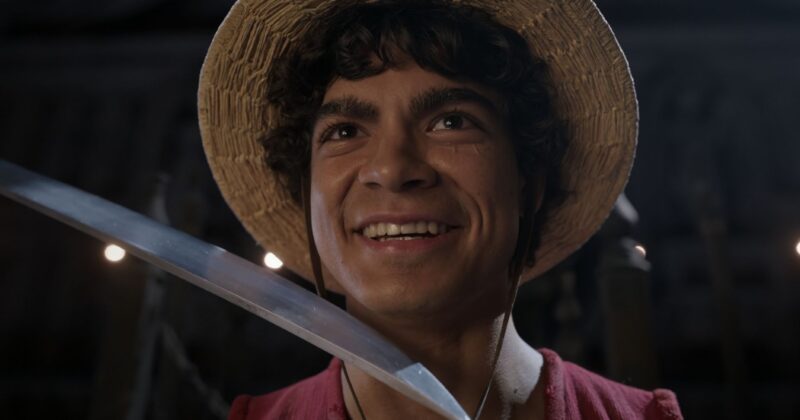
One of the most unforgettable images in the second season of One Piece is Luffy laughing wildly with a sword at his throat, moments before what could be his final breath. This isn’t just another display of his trademark bravado; it’s a scene loaded with layers for fans who delve into the lore and character design behind the world’s most audacious pirate captain. Long-time followers of Eiichiro Oda’s massive universe know that every gesture counts, with even a fit of laughter revealing tantalizing hints about character destinies and deep-seated mysteries.
Loguetown: Where Legends Echo
The drama unfolds in Loguetown – the fabled ‘town of beginnings and endings,’ where pirates traditionally make their last stop before confronting the dangers of the Grand Line. Here, the Straw Hat crew faces off against old foes like Buggy and Alvida, and powerful adversaries such as Marine Captain Smoker. Yet, what sets this arc apart isn’t just the action or the Easter eggs for attentive viewers—it’s the way the show deliberately draws a parallel between Luffy and the enigmatic Pirate King, Gold Roger. Luffy’s carefree laughter facing death mirrors the very legacy of the man who started it all, a nod that seasoned fans and newcomers alike can’t help but notice.
The Will of D.: Mysteries Etched in a Name
When Dr. Kureha later highlights Luffy’s shared traits with Roger—specifically the ‘D.’ in their names—One Piece taps into one of its most enduring mysteries. Characters with D. in their names are more than ordinary adventurers. They’re painted as eternal adversaries of the oppressive World Government, driven by an unbreakable urge for freedom, and a stubborn refusal to yield to fate or control. Luffy, like Roger before him, embodies this spiritual defiance, famously laughing in the face of his own demise. This trait is far from random; it’s emblematic of what Oda calls the ‘Will of D.’—a force as old as the world, propelling characters into myth and rebellion.
Laughter as a Clue to Luffy’s True Nature
The significance of Luffy’s laughter deepens for those keeping pace with the ongoing manga. As the more recent volumes reveal, Luffy’s sixth sense for joy ties directly to monumental developments in his powers, most notably his transformation into Gear 5. This isn’t just a power-up; it’s myth made flesh. Gear 5 amplifies Luffy’s Devil Fruit abilities thanks to the presence of the Sun God Nika, who was obliquely referenced even in the adapted arcs. With this evolution, Luffy literally becomes the embodiment of freedom—his laughter and unending glee a manifestation of the world’s oldest, wildest hope: liberation from tyranny.
Nods to Ongoing Mysteries and the Road Ahead
Every fan theory, every deliberate hint about Luffy’s identity, and every small reference to Nika in the series points to a broader narrative ambition: to show that Luffy’s path isn’t just one of self-discovery, but of inheriting, channeling, and expanding an ancient legacy. While Netflix’s live-action adaptation may never reach the manga’s later arcs—where the boundaries of comedy, power, and philosophy blend into something unprecedented—the subtle teases in these early seasons are a treat for those who appreciate storytelling that rewards patience and curiosity.
For now, Luffy’s approach to life—and death—remains a testament not just to his courage, but to a secret lineage of rebels who find absurdity in finality, and joy even on the edge of disaster. The laughter isn’t just for dramatic effect. It is, quite literally, a hint of destiny.