A Dazzling What-If: Pixar’s Hoppers and the Allure of 2D Animation
If you’ve been swept up by the charm and clever storytelling of Pixar’s Hoppers, you’re not alone. Yet, as the film surges at the box office and scores with families and animation buffs alike, a short behind-the-scenes clip has ignited a new kind of buzz—a vibrant, painterly 2D test that hints at an altogether different visual destiny for the movie.
A Glimpse Behind the Curtain: Studio Ghibli Vibes in the Test Reel
This brief animation, unearthed and shared by director Daniel Chong on social media, showcases a look that feels unmistakably inspired by the likes of Studio Ghibli. The 28-second segment, created by Lorenzo Fresta in 2020, features two beavers navigating a flowing river, accompanied by gusts of wind and gently swirling leaves. What strikes viewers instantly is the stylization—lush yet restrained color palettes, expressive character designs, and an organic warmth many associate with classic hand-drawn animation.
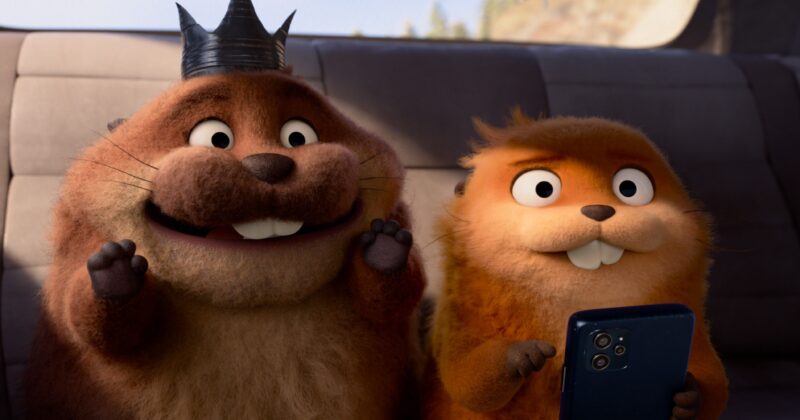
The resemblance to Ghibli’s legendary artistry is unmistakable. While Pixar’s final version of Hoppers adheres to their signature 3D, computer-generated polish—complete with rounded edges and a naturalistic color scheme—this 2D experiment is brimming with expressive lines and bold creative choices. It’s become a fascinating «what could have been» for animation enthusiasts.
Why Pixar Stays CG (and the Realities of 2D Animation Today)
For those wondering if Pixar might ever pivot to 2D feature films, industry trends tell a clear story. The studio’s very identity is tied to its pioneering use of computer-generated imagery, dating back to Toy Story and beyond. A leap to 2D would mark a dramatic departure—not just stylistically, but in brand positioning and logistics.
Traditional animation, particularly at the scale demanded by feature-length productions, is considerably more resource-intensive than digital workflows. American audiences now so closely link CG with mainstream animation that 2D feels almost like a niche or a novelty item—an ironic twist, given that classics from Disney and Ghibli built the foundations of the genre with hand-drawn mastery.
The question of cost is more than theoretical. In major western studios, the technical infrastructure, training pipelines, and even marketing strategies are now built around CG techniques. Even Disney hasn’t released a major 2D animated film since The Princess and the Frog. For Pixar, taking the leap into 2D would involve retraining teams, overhauling pipelines, and courting an audience whose tastes have evolved in tandem with technology.
Influences and Evolution: Learning from the Best
Though fans might not see a full-length Pixar motion picture rendered in 2D anytime soon, the homage embedded in Hoppers’ test footage shows the cross-pollination of inspiration in today’s animation community. Pixar animators aren’t just creating in a vacuum—they’re actively drawing from the best, whether it’s the lush forests of Ghibli, the kinetic energy of anime, or the bittersweet magic of classic Western fairy tales.
Director Daniel Chong himself described the video as a source of inspiration, not a production target. Yet, the fact that such experiments are being created within Pixar’s walls points to a broader curiosity and a willingness to learn from 2D pioneers, even under the shadow of silicon and code. It’s precisely this openness—this blend of tradition and innovation—that continues to keep Pixar at the creative forefront, regardless of what tools fill the animators’ hands.
Meet the Voices and Creative Minds Behind Hoppers
The voice cast for Hoppers brings the characters of Mabel and King George to vivid life, with Piper Curda as Mabel Tanaka and Bobby Moynihan as King George. Backed by the writing talents of Daniel Chong and Jesse Andrews, and produced by Nicole Paradis Grindle, the film blends heartfelt comedy with visual spectacle. The story follows the familiar Pixar recipe: unforgettable characters, razor-sharp wit, and themes that resonate across generations.
In this era of streaming and global fandom, seeing even a glimpse of what might have been—a 2D Hoppers, brimming with painterly brushstrokes—fuels both nostalgia and excitement for animation’s evolving future. As fans continue to marvel at the film and speculate about what’s next, the test video remains a symbol of what makes animation so endlessly compelling: infinite possibility, both on screen and behind the scenes.