One Piece Dominates Netflix: Why the Live-Action Pirate Epic Is a Global Phenomenon

One Piece: The Chart-Topping Return of Netflix’s Live-Action Adaptation
The Straw Hat Pirates have done it again. With the highly anticipated release of its second season, Netflix’s live-action adaptation of One Piece has become the number one show on the platform worldwide. In just twenty-four hours, the show sailed to the top in 43 countries, including Brazil, France, Indonesia, Germany, and Mexico, and continues to build momentum in key markets like the US and Japan. This surge underlines One Piece’s status as the most influential anime property today, but the story behind this historic success goes deeper than viewership numbers.
Adapting a Legendary Saga
Departing from the usual pitfalls of anime-to-live-action translations, Netflix’s One Piece has captured both new audiences and die-hard fans. Season 2 masterfully adapts the iconic Alabasta Saga, diving into one of the manga’s most beloved arcs. Here, Luffy and the rest of the Straw Hat crew enter the perilous Grand Line, undertaking dangerous new adventures and confronting the enigmatic organization Baroque Works.
Season 2 blends five memorable story arcs, culminating with the introduction of the fan-favorite character Tony Tony Chopper during the Drum Island arc—a moment manga and anime aficionados have been anxiously awaiting in a live-action setting. The creative team behind the show, including showrunners Matt Owens, Steven Maeda, and Eiichiro Oda himself, have been praised profoundly for their ability to keep the heart and humor of the original while making the saga accessible even to those who’ve never read a page of the manga.
What Sets Netflix’s One Piece Apart?
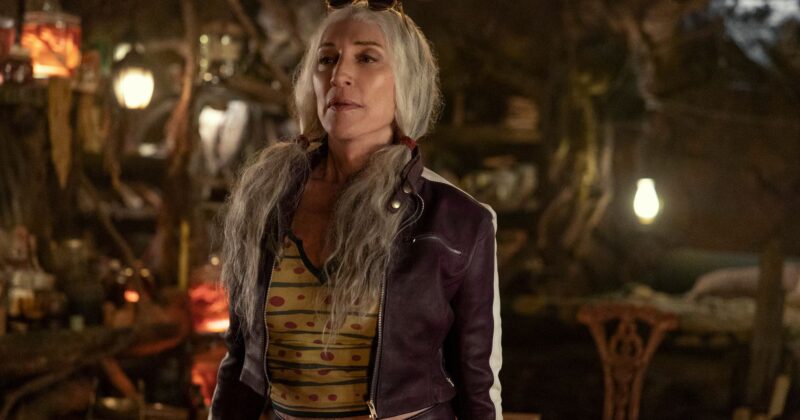
Unlike earlier attempts at live-action adaptations, this series actively embraces its anime roots. The world-building is vibrant, the action choreography dynamic, and the casting spot-on—Iñaki Godoy as Luffy and Emily Rudd as Nami headline a cast that has been widely celebrated for capturing the unique flair and spirit of their animated counterparts. Meanwhile, recent additions like Katey Sagal as Dr. Kureha lend additional gravitas and fresh character perspectives.
Perhaps most surprisingly, critical reception has been overwhelmingly positive. As of March 2026, One Piece season 2 boasts a perfect 100% Rotten Tomatoes score based on nearly 20 reviews, an extremely rare achievement for shows in this genre. Critics have cited the series’ inventive narrative choices, its fusion of comedy and action, and the respect it pays to Oda’s original vision as major reasons for its success.
Global Impact and What Comes Next
The meteoric rise of One Piece as Netflix’s top series isn’t just a win for anime fans. Its appeal to both seasoned followers and curious newcomers sets a new standard for how powerful, cross-cultural storytelling can be adapted for digital platforms. The show’s unique ability to reorganize and expand manga material means that even seasoned viewers find surprises with each new episode. Editorial decisions—like fine-tuning character development and rearranging story beats—ensure that every arc feels fresh, even for the most dedicated manga readers.
With production for season 3 already underway and set to tackle the climactic Alabasta Arc, the future looks even brighter for the Straw Hats. The show’s ongoing critical and commercial triumph proves there’s immense appetite for high-quality adaptations that don’t compromise on narrative charm or visual spectacle.
For those who have yet to set sail with Luffy and his improbable crew, now is the perfect time to jump aboard the world’s most ambitious pirate adventure, as the live-action era of One Piece continues to smash expectations and break streaming records.