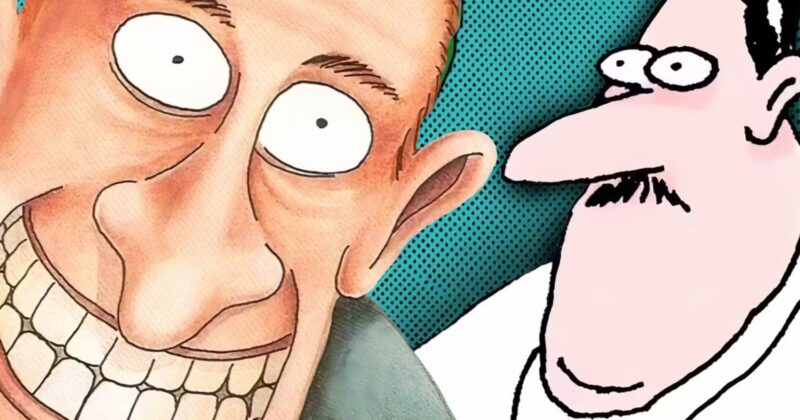
Why The Far Side Comics Are Funnier Than Ever: Timeless Humor for a Modern World

The Far Side: A Comic Strip That Grew Funnier With Time
Few comic strips have carved out a place in pop culture quite like The Far Side. When Gary Larson first introduced his offbeat panels, they were both a reflection of their era and, somehow, a vision of the humor that would dominate decades later. As sensibilities have shifted and online memes have flourished, many of Larson’s cartoons have proven not only durable but even sharper in today’s context. The following highlights how certain Far Side gags resonate more now, standing as brilliant examples of comic timing, biting social commentary, and avant-garde wit.
Dark Jokes That Predicted Modern Edgy Humor
The strip’s notorious houseplant gag, depicting a potted plant taking its own life, startled readers when it debuted. Back then, mainstream comics rarely dared venture into such black comedy. In today’s media landscape, where animated series like The Simpsons and Rick and Morty thrive on dark or surreal punchlines, Larson’s work feels less like an outlier and more like a spiritual predecessor. What was once considered «subversively amusing» has, in the age of viral nihilism, become broadly relatable and genuinely funny.
Inventing Memes Before Memes Existed
One must marvel at the prescient Far Side cartoon featuring «rats in a trench coat»—a motif now synonymous with absurd internet humor. While it’s impossible to confirm if Larson invented the trope, his early play with this concept cemented its place in pop culture, well before social platforms could propel such images to meme status. The joke’s enduring appeal lies in its recognition factor: the sight of critters barely passing as humans instantly conjures up countless movie and animation parodies that followed.
Classic Nerd Humor That Still Hits Home
Another standout moment finds an amateur UFO enthusiast’s photographic evidence destroyed by an untimely interruption from his mother. This remains relevant in a world where proof of extraterrestrial life is eternally elusive and the «lives with his parents» trope persists in movies, TV series, and even stand-up routines. Larson’s single-frame mastery captures both the setup and comic payoff in a way that still makes readers wince and chuckle at the same time.
The Art of Adulting, Before «Adulting» Was Cool
Decades before «adulting is hard» became a catchphrase for millennials and zoomers, Larson encapsulated the struggle with a character simply failing to put on pants and shoes in the right order. What once seemed like pure nonsense is now instantly familiar to anyone grappling with the small, ridiculous defeats of daily life. The humor’s resonance has soared as more people recognize themselves in these scenes of mundane confusion.
Absurdist Humor That’s Aged Flawlessly
Absurdist comedy is a staple of the modern TV landscape, from BoJack Horseman to Community. The Far Side arguably helped pave the way. Consider the strip where an ant berates her spouse to remove a giant magnifying glass from their home. Today’s readers embrace the nonsensical setup without questioning its logic, fully attuned to humor that values surprise and irrationality over straightforward punchlines.
Social Commentary Through Surrealism
Healthcare is a topic that has only grown in relevance, and Larson’s cartoon featuring a husband performing DIY gallbladder surgery on his wife lands harder now than ever. The reality that fear of medical costs drives people to extreme measures sharpens the strip’s undertones. Today, the exaggeration is both hilarious and uncomfortably plausible, reflecting ongoing debates about healthcare access with uncanny precision.
Punk Rock, Grown Up and Wearing a Tie
In another culturally sharp panel, Far Side lampoons aging punks as they enter the corporate world, their rebellion replaced with business accessories. Once a pointed jab at the commercialization of counterculture, this punchline now seems almost inevitable. As the lines between subculture and mainstream blur, the sight of tattoos sharing space with calculators on office workers feels delightfully on-the-nose.
Breaking the Fourth Wall Before It Was Trendy
Long before phrases like «photobomb» became a part of digital vocabulary, Larson played with perspective and the boundaries of the comic format itself. His strips occasionally feature characters disrupting the narrative frame or inserting themselves into scenes, anticipating the kind of playful, self-aware humor that’s now common in everything from superhero movies to video game cutscenes.
Enduring Legacy in Modern Comedy and Animation
What ties all these examples together is how well The Far Side anticipated trends that rule comedy today—sharp absurdism, nimble parody, and a willingness to skewer both daily struggles and cultural phenomena. Larson’s artistry didn’t just influence generations of cartoonists; it molded the sensibility of an audience that now expects quick-witted, subversive narrative bursts at every turn.
From «rats in trench coats» at the heart of meme culture, to the normalization of irreverent or surreal humor, The Far Side continues to spark laughter, reflection, and sometimes, a little bit of discomfort. And as new generations embrace its panels, the modern digital world only makes its odd brilliance more relatable with each passing day.