Scarpetta: How Prime Video’s Crime Thriller Revisits the Legacy of Twin Peaks

The Enduring Shadow of Twin Peaks in Modern Crime Thrillers
When Scarpetta debuted on Prime Video, crime and mystery fans quickly noticed more than just the star-studded cast; the show’s opening scene felt like a direct echo from one of television’s most enigmatic hits—Twin Peaks. It’s a nod that goes far beyond a simple homage. By drawing from the psychological thriller playbook defined by David Lynch and Mark Frost, Scarpetta establishes itself in a lineage of shows that intertwine the horrific with the surreal, the procedural with the disturbingly personal.
The Power of an Iconic Opening: From Twin Peaks to Scarpetta
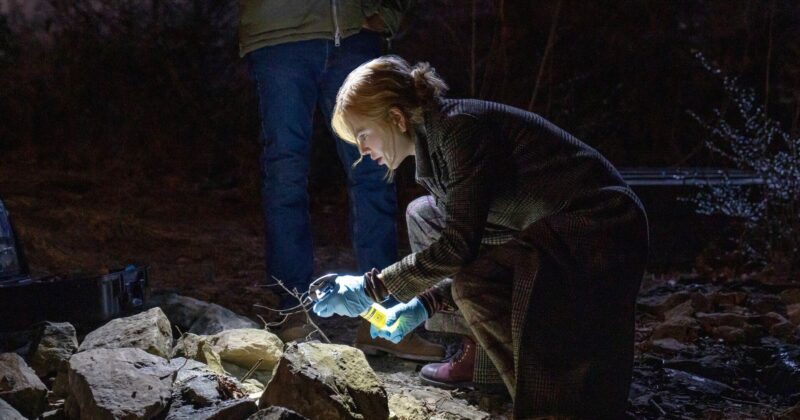
Scarpetta’s inaugural moment places Nicole Kidman’s Dr. Kay Scarpetta at a chilling crime scene: a mutilated, bound corpse is discovered on a remote stretch of railway. For anyone acquainted with peak TV, the visual serves as an unmistakable reference to the discovery of Laura Palmer in Twin Peaks, a television moment that fundamentally reshaped the procedural genre. The resonance here isn’t just in imagery; it’s about thematic inheritance. Scarpetta’s showrunners are well aware of the legacy they’re engaging with, and they actively leverage the disorienting sense of small-town darkness pioneered by Lynch.
Blending Genres: The Twin Peaks Effect on Crime TV
Twin Peaks’ revolutionary impact was its fearless fusion of murder mystery with elements of soap opera, psychological horror, and even supernatural intrigue. This combination cleared a path for later hits like Sharp Objects, Stranger Things, and urban fantasy detectives such as Lucifer or Grimm. Scarpetta boldly joins this tradition by imbuing police investigations with psychological undercurrents and family drama that verge on melodrama without ever losing sight of the macabre.
Technical Precision Meets Surreal Tension
One of the fresh elements Scarpetta brings, adapted from Patricia Cornwell’s celebrated novels, is forensic realism. The show immerses viewers in the clinical details of postmortem examinations, which—when juxtaposed with eerie visual cues and Lynchian soundscapes—deepens the sense of unease. In this blend, the discovery of a ‘bent penny’ at the crime scene is not just foreshadowing but a narrative device pregnant with symbolic weight, reminiscent of Twin Peaks’ cryptic clues and menacing motifs that reward attentive (and obsessive) viewers.
Interpersonal Drama and Surreal Relationships
Beyond the bodies and the investigations, Scarpetta mirrors the dysfunctional familial and interpersonal entanglements that made Twin Peaks so compulsively watchable. From Scarpetta’s complicated dynamic with her husband Benton to the strange relationship between Lucy and her AI spouse, the series deploys emotional chaos and offbeat quirkiness as narrative fuel. These elements fight for space against the strict protocol of the procedural format, producing an uneven but compelling ride that reflects the inherent challenge of emulating Twin Peaks’ distinctive tonal balancing act.
Directorial Vision: David Gordon Green’s Legacy
Director David Gordon Green brings his long-standing admiration for Lynch’s work to Scarpetta, ensuring that the show’s visual grammar and pacing serve both the story’s forensic precision and its atmospheric ambitions. Scenes are constructed to linger on details—frames that suggest more than they show, encouraging speculation and unease instead of providing easy answers.
Scarpetta’s Place in the Current TV Landscape
In a climate where audiences crave ever-more sophisticated blends of genre, Scarpetta stands out for its willingness to challenge tropes, foreground flawed women in roles of expertise, and push the boundaries of TV crime storytelling. The show adapts not only Cornwell’s earlier and more recent novels, fusing their timelines, but also the tendencies of contemporary procedurals to weave in horror, sci-fi, and a dash of social commentary.
The Verdict So Far
While Scarpetta has divided critics with its ambitious tonal swings, the show undeniably reaffirms the lasting influence of Twin Peaks on prestige TV. By inviting direct comparison to such an untouchable classic—and daring to mix things up with modern genre trends—Scarpetta marks itself as a must-watch for fans of psychological thrillers unafraid of venturing into the bizarre and the uncanny.