How Silo’s Back-to-Back Filming Fixes Apple TV’s Biggest Sci-Fi Challenge

Silo’s Double Production Breaks Apple TV’s Sci-Fi Release Curse
One persistent frustration for sci-fi fans streaming on Apple TV+ has been the long gaps between seasons for major shows. This pattern, notorious after the prolonged waits for series like Severance, has left viewers craving consistency and narrative momentum. Silo, Apple TV’s breakout sci-fi hit, is set to disrupt this cycle thanks to a noteworthy production strategy: filming seasons 3 and 4 back-to-back.
The Problem with Sci-Fi Streaming Gaps
The sci-fi genre thrives on intricate world-building and evolving mysteries that demand audience attention and memory. Unfortunately, when years pass between new seasons, fan engagement can wane, storylines lose impact, and the risk of viewers dropping off increases. This isn’t just a problem for fans; it impacts narrative payoff, merchandising momentum, and the overall life cycle of a franchise—especially in today’s competitive streaming landscape.
Back-to-Back Production: A Solution Arrives
According to recent production updates, Silo completed principal photography on its fourth season immediately after wrapping the third. While season 3’s official release window puts it in a late post-production stage, the finished shooting for both seasons means that post-processing and eventual launches can roll out with minimal downtime. Barring unexpected delays, viewers could see season 4 soon after the third, a contrast to the usual multi-year waits.
Why This Matters for Silo’s Storytelling
This production approach brings significant creative advantages. Not only are fans spared from cliffhanger limbo, but the writing and performances also gain from a tighter timeline. Actors stay in character, storylines remain fresh for both cast and crew, and overall continuity benefits. The show can maintain pacing and avoid tonal or creative shifts that sometimes plague long-delayed series.
Silo, adapted from Hugh Howey’s celebrated trilogy (Wool, Shift, Dust), covers dense thematic ground—oppression, rebellion, and the mystery of the underground society. The first two seasons handled just the narrative arc of Wool, expanding with new plot lines but keeping to the source’s core. With only two seasons left and two books’ worth of material ahead, the creative team faces an exciting challenge: condense and adapt without losing depth or clarity, something the sci-fi community will be watching closely.
Pacing, Adaptation, and the High Stakes of Silo’s Endgame
The need to adapt one book per season going forward could energize the show’s pace. Where some viewers noted that season 2 suffered from pacing issues, these upcoming chapters might offer a brisker, more focused narrative rhythm. There’s a risk: trying to fit too much story into two seasons can lead to confusion, especially for those less familiar with the original novels. But a condensed timeline, if handled right, could result in an exhilarating final run, reminiscent of the best climaxes in television sci-fi—think the tension spikes in The Expanse or the narrative tightrope of Westworld.
Silo’s Future: No More Lingering Cliffhangers
With only two more seasons before Silo finishes its television journey, Apple TV+ stands poised to offer a rare treat: a sci-fi saga that delivers answers and climaxes without forcing fans to wait for years on end. This model—back-to-back filming ensuring smoother continuity and release—could set a new precedent for future high-profile adaptations. The combination of story immersion and technical efficiency means fans can expect a more cohesive binge-watching experience, where anticipation is matched by delivery.
Cast, Creative Talent, and What’s Next
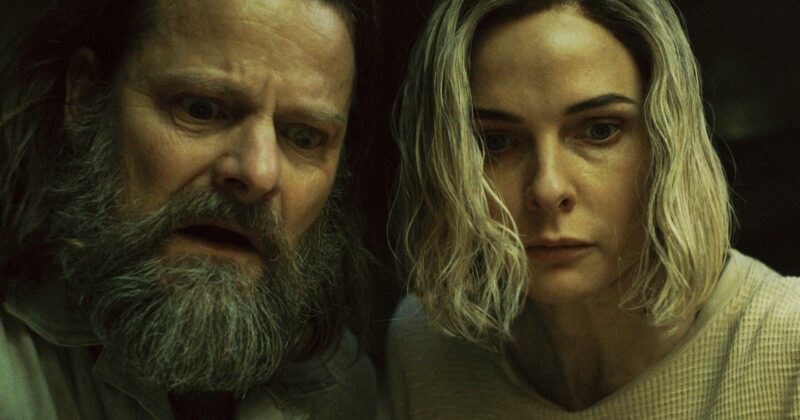
The strong ensemble, led by Rebecca Ferguson, Common, and Tim Robbins, continues to bring nuance and gravity to Silo’s unique dystopia. With Graham Yost as showrunner and acclaimed directors like Morten Tyldum at the helm, expectations for these concluding chapters remain high. For those tracking the evolution of sci-fi television, Silo stands as a pivotal experiment in balancing storytelling ambition with modern streaming realities.