Starfleet Academy Season 2 Reimagines the Villain Role: Bigger Stakes and Impossible Dilemmas Await
The Evolution of Starfleet Academy’s Antagonists
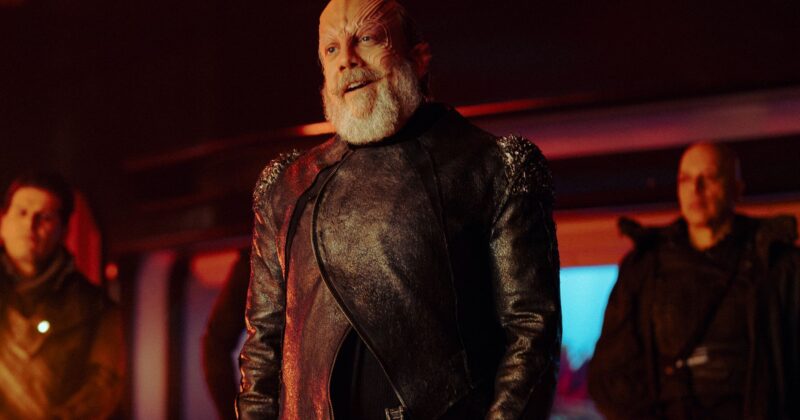
Star Trek: Starfleet Academy marked a bold new chapter for the venerable franchise with a debut season that received glowing reviews and a fresh take on the academic side of Starfleet. The showrunners took risks, introducing Paul Giamatti as Nus Braka, a menacing Klingarite pirate whose grand scheme nearly crippled the United Federation of Planets. Giamatti’s performance brought a theatrical gravitas, making his villain a worthy adversary to Captain Nahla Ake, played by Academy Award winner Holly Hunter, and her fellow Starfleet instructors and cadets.
A Villain Unlike Any Other
Season one’s climax didn’t just pit hero versus villain in a galactic showdown—it introduced profound ethical conundrums, with Braka’s plan threatening to eliminate warp travel indefinitely using the terrifying Omega-47 device. Yet, after this explosive finale, fans were left wondering: how could Starfleet Academy raise the stakes any further, especially now that Giamatti is confirmed not to return for the upcoming season?
Season 2’s Bold New Direction: The Dilemma as Villain
Executive producer and co-showrunner Noga Landau has responded to these questions by hinting at a creative pivot. Instead of recasting with a singular villainous presence, season 2 embraces a classic Star Trek tradition: posing an «impossible dilemma» as the main antagonist. Landau describes this challenge as more than a simple foe; it’s a fundamental test of Starfleet’s ideals and the morality of its characters. This approach throws Captain Ake and the newest batch of cadets into scenarios where every possible choice carries heavy consequences, echoing the most iconic moral quandaries from decades of Trek lore.
A Cliffhanger-Driven Structure
Landau also teased that the next run concludes on a major cliffhanger, maintaining the heart-pounding tension that has defined standout Trek episodes. This storytelling move immerses viewers even deeper, ensuring fans remain invested in the fate of Starfleet Academy, even as the future of further seasons is not officially confirmed by Paramount+.
New Faces and the Emotional Core
Alex Kurtzman, Starfleet Academy’s other co-showrunner, confirmed that while Giamatti steps away for now (though both parties are eager for a future return), season 2 introduces a wave of new cast members and thrilling guest stars. Trek tradition often means beloved characters might cross over, adding layers of nostalgia and surprise to fresh storylines. However, specific names remain tightly under wraps.
Amid these cast changes, Kurtzman promises the same commitment to character-driven storytelling that powered the first season. The Academy’s ensemble—anchored by Holly Hunter’s dynamic leadership—remains central. Season 2 will blend high-concept standalone episodes with a strong serialized narrative arc, a formula that balances episodic exploration with long-term character growth.
What This Means for Star Trek Fans
This new approach challenges both characters and audiences, presenting dilemmas rather than outright villains and celebrating what Star Trek does best: making viewers think while entertaining them with rich, complex science fiction. With the promise of a possible return for Nus Braka in the future and a rotating cast of intriguing new faces, Starfleet Academy continues to position itself as one of the boldest and most thoughtful entries in the Star Trek universe.
Starfleet Academy: Key Details
- Available exclusively on: Paramount+
- Genre: Action, Adventure, Drama, Sci-Fi
- Main Cast: Holly Hunter (Nahla Ake), Sandro Rosta (Caleb Mir)
- Showrunners: Alex Kurtzman, Noga Landau
- Noteworthy directors and writers include Douglas Aarniokoski, Andi Armaganian, Larry Teng, Gaia Violo, Kirsten Beyer, and others deeply familiar with the Star Trek canon.
As Starfleet Academy charts a new course, the evolving nature of its antagonists and ever-expanding cast ensure that each new episode holds the promise of fresh dilemmas, emotional resonance, and the enduring optimism that defines Star Trek across generations.