Scarpetta on Prime Video: The Series’ Major Differences From Patricia Cornwell’s Novels

Scarpetta on Prime Video: The Boldest Book-to-Screen Changes
Prime Video’s adaptation of Patricia Cornwell’s Scarpetta series takes some daring creative liberties, blending respect for the novels with fresh narrative twists that keep even longtime fans guessing. While the forensic science focus and the enigmatic Dr. Kay Scarpetta remain at the heart of the show, the new series charts its own course with striking character and plot reimaginings, sometimes even restructuring the chronological backbones of Cornwell’s books.
Rewriting Endings and Consequences
One of the most talked-about changes comes in the dramatic resolution of the first major case. In the Prime Video rendition, Scarpetta herself pursues and kills serial murderer Roy McCorkle in a climactic face-off, using nothing but a broken ceramic plate. This inversion from the books—where Detective Marino ends the confrontation by shooting McCorkle—shifts the psychological aftermath. Instead of Marino shouldering the lethal burden and forging a secret bond with Scarpetta, the show thrusts the medical examiner directly into the moral gray area, layering her character with newfound ambiguity and trauma.
A New Tragedy: Scarpetta’s Family History Transformed
For viewers following Dr. Scarpetta’s backstory, the series rewrites pivotal moments from her childhood. In the original novels, Kay’s father dies after a battle with cancer, imbuing her with a quieter, more reflective grief. On screen, that emotional foundation is fundamentally altered: she witnesses her father’s murder during a store robbery, a brutal event that seeds her lifelong obsession with catching killers. This not only builds a more urgent psychological profile, but also aligns her motivation with the darker, trauma-infused narratives popular in modern detective series.
Bringing Family Conflict to Center Stage
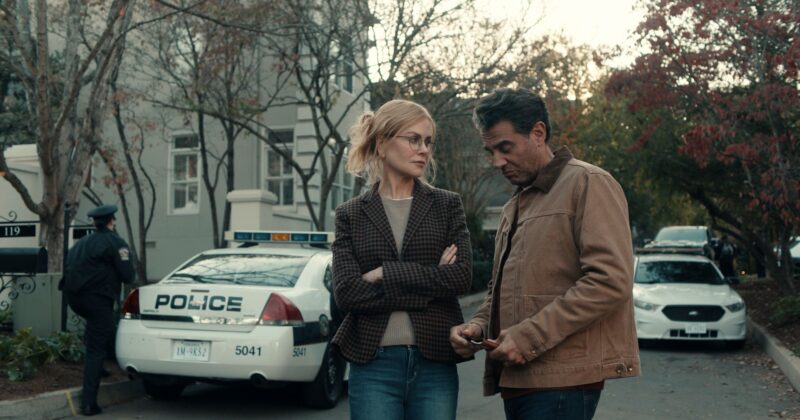
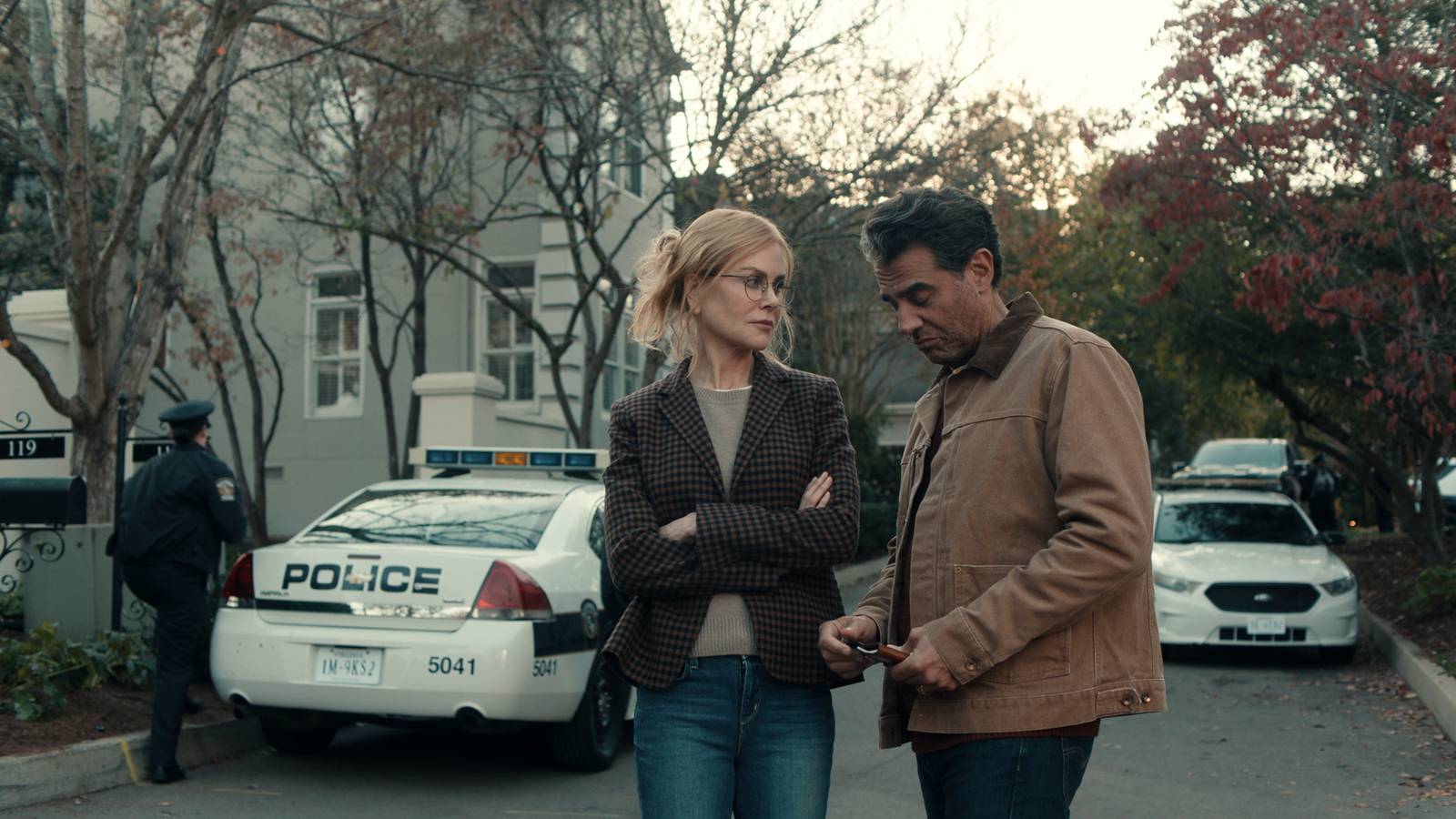
The dynamic between Kay and her sister Dorothy is elevated from subplot status to a core narrative thread. By giving more screen time to their volatile relationship—and casting powerhouses like Nicole Kidman and Jamie Lee Curtis—the show mines the complex tensions of sibling rivalry, insecurity, and reconciliation. Their clashes add deep emotional stakes, contrasting forensic intrigue with deeply personal fallout.
Dual Timelines and Nonlinear Storytelling
Unlike Cornwell’s strictly chronological novels, the TV adaptation boldly interweaves two timelines. Audiences are invited to witness not only Scarpetta’s formative professional years but also the ripples of her decisions decades later. This structure mirrors trends in prestige TV storytelling, where nonlinear revelations push character development beyond what procedural formats traditionally allow. By referencing both early and recent novels—such as Postmortem and Autopsy—the series delivers a layered portrait of Scarpetta’s evolution instead of a one-note procedural arc.
Reimagining Lucy’s Storyline
Lucy, Kay’s tech-savvy niece, and her partner Janet remain integral to the show. Yet, the adaptation streamlines their tragedy: while Lucy’s struggle to cope with Janet’s death is preserved, the series omits significant book details—like Janet and Lucy adopting a son, Desi, and his subsequent death from COVID in London. Instead, the focus is placed on Lucy’s emotional dependence on AI, heightening the theme of technology as both comfort and crutch.
Reinvented Villains: New Faces Behind the Mask
Longtime fans of the books will notice significant antagonistic shifts. The TV series crafts a new serial killer, August Ryan—a police officer with a past connected to Scarpetta—rather than following the novels, where Boone Cotton, a construction worker groomed by his uncle, assumes that role. This change introduces an element of institutional trust and betrayal, paralleling current anxieties about law enforcement and personal ties gone wrong.
Character Roles and Suspicions Overhauled
Matt Peterson, initially a suspect in his wife’s murder in the debut novel, does not return as a focal character in the series’ later adaptations. The exclusion redirects suspense and investigation toward new narrative avenues, ensuring even dedicated readers aren’t always a step ahead of the TV sleuths.
These shifts are more than cosmetic—they reshape how audiences connect with Scarpetta and her world. By combining the procedural strengths of Cornwell’s novels with innovative TV storytelling, Prime Video’s Scarpetta manages to intrigue both newcomers and purists, inviting questions about justice, identity, and the personal costs of forensic obsession.