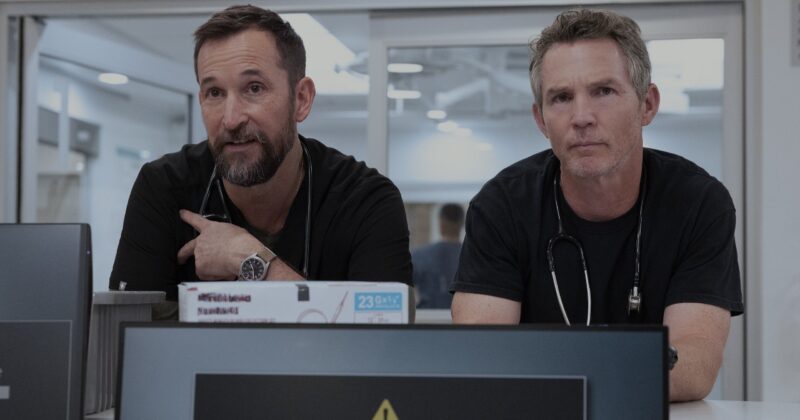
The Pitt’s Dr. Robby: Hero or Flawed Icon?
Dr. Michael Robby Robinavitch has long stood as a beloved pillar within The Pitt, winning over fans with his fiercely protective leadership and genuine empathy for both patients and staff. Portrayed by Noah Wyle, Robby embodies the classic, idealized chief physician: tough, heartful, and endlessly dedicated. The tension beneath the surface, however, erupted dramatically in the latest episode, shattering some long-held illusions about his character for viewers and staff alike.
An Uncomfortable Reveal: Robby’s Pattern of Sexism
This week’s episode delivers a sharp pivot away from Robby’s usual image. Under the relentless pressure of a tech meltdown and an overflowing ER, Robby’s temper fractured the camaraderie, exposing something that’s been simmering for seasons: a deep-seated pattern of sexism, particularly towards his female colleagues. The on-screen dynamic with Dr. Mohan and Dr. Al-Hashimi puts this uncomfortable truth front and center, as Robby dismisses their professionalism and struggles in ways he never would with his male counterparts.
Notably, when Dr. Mohan suffers a panic attack—triggered by personal anxieties and compounded by the hospital’s chaos—Robby’s reaction is coldly critical. Rather than offering support, he scolds her for ‘mommy issues’ and ultimately tells her to leave the hospital. When Dr. Al-Hashimi confronts him about his lack of empathy, Robby suggests he would trust the ER more if ‘more capable hands’—a thinly veiled comment—were in charge. This episode turns what had previously been subtle undertones of favoritism into undeniable, overt sexism.
Behavior Patterns Across The Pitt
Astute fans will recognize that Robby’s treatment of female staff isn’t new. From season one, the disparities have been there for those who looked closely: Robby encouraged and coddled his male residents while relentlessly challenging women like Dr. McKay and Mohan with harsher criticism and higher standards. He went so far as to cover for David, a student with troubling behavior, putting his well-being over that of his potential female victims. By comparison, Dr. Whitaker, the show’s current «golden boy,» receives little more than a slap on the wrist from Robby—even when involved in ethically gray territory.
It’s become clear that the only time Robby loses his temper with a male doctor is when there’s a personal betrayal, such as with Dr. Langdon’s substance abuse and criminal conduct. Yet, Langdon himself is back practicing medicine within months—a forgiveness not likely to be extended to female doctors under the same circumstances.
Pressure, Breakdown, and the Narrative Shift
As The Pitt explores the intense psychological toll of emergency medicine, Robby stands as a case study for how chronic pressure can amplify the worst parts of a personality. The episode’s setting—ten hours into a nightmarish shift, with digital systems down and the ER overwhelmed—serves as the crucible in which Robby’s mask slips entirely. No external scapegoats are available, leaving his female colleagues to bear the brunt of his unraveling self-control.
This chilling turning point for Robby is brilliantly nuanced in the show’s writing, serving as more than just an individual flaw; it’s a commentary on systemic biases that persist even among the best-intentioned leaders in high-stakes fields. The reality check for fans is as sharp as it is necessary: affinity and empathy aren’t enough if patterns of discrimination go unchecked, especially when wielded by those in power.
The Pitt: Not Just Medical Drama, But Social Mirror
What makes The Pitt compelling isn’t just the visceral trauma-room action, but its willingness to dissect complex, timely topics—from burnout and digital medicine to gender equity within the very fabric of its ensemble. This episode stands out as an inflection point that invites viewers to question the hidden prejudices that can be masked by even the most celebrated characters.
No easy answers are offered, and Robby’s trajectory remains uncertain. What is clear: the series has committed to exploring not just medicine’s external crises, but also the hidden fractures within the hospital’s own frontline heroes.