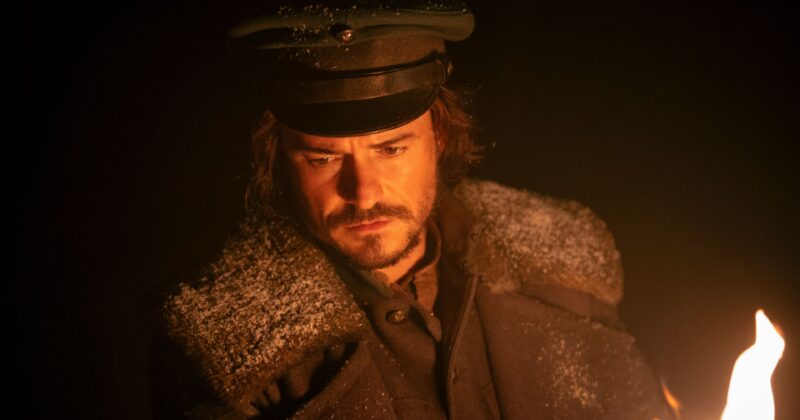
Why Carnival Row on Prime Video Deserved So Much More

The Lost Potential of Carnival Row: A Fantasy Universe Unlike Any Other
When fantasy fans hear streaming giant Prime Video, the mind jumps to monumental worlds and epic quests. But one series that dared to color outside the fantasy lines was Carnival Row. Fronted by Orlando Bloom as the brooding Rycroft ‘Philo’ Philostrate and Cara Delevingne as the fierce Vignette Stonemoss, the show offered a unique blend of dark myth, steampunk, and Victorian grit—a rare concoction that set it apart from the dragons and vampires saturating contemporary fantasy.
World-Building Beyond Tropes
Carnival Row thrust viewers into the labyrinthine alleys of the Burgue, a city teeming with faeries, fauns, and revolutionary fervor. The aesthetic immediately called to mind the sharp edges of Peaky Blinders, but swapped gangsters for mythical outcasts. The friction between humans and mythics wasn’t mere backdrop—it was the core engine propelling complex character arcs and social allegories. The arrival of mythical refugees and extremist factions mirrored some of the deepest issues facing the world today, making the conflicts in Carnival Row feel startlingly relevant and emotionally raw.
Fantasy as Social Critique
Where Carnival Row shone brightest was in its use of fantasy creatures as vehicles for societal reflection. The narrative dared to tackle prejudice, displacement, and the ever-present fear of the ‘other’. It was both a mirror and cautionary tale—a rare stride that put the show in the company of genre-defining series like True Blood, which also explored worlds where the supernatural collides (and often overlaps) with real human struggles.
A Love Story That Breaks The Mold
The chemistry between Bloom and Delevingne didn’t lead to a storybook destiny. Instead, Carnival Row subverted expectations by giving its protagonists journeys of self-discovery rather than typical coupling-up. This shift allowed writers to dive deeper into trauma, resilience, and ambition, painting characters that felt unpredictable and sincere. In the era of binge-watchable tropes, this was a welcome shake-up.
A Victim of Platform Trends
Despite its vision, Carnival Row found itself among the growing list of ambitious Prime Video originals that vanished prematurely, alongside innovative titles like Outer Range and The Peripheral. It’s a signal of broader shifts: major platforms frequently pivot toward guaranteed hits based on familiar franchises, leaving high-concept originals gasping for breath. While some platforms take creative risks and let their worlds gestate, Carnival Row got just two seasons to make its mark before the spotlight faded.
Legacy and What Could Have Been
Even with its short run, Carnival Row amassed a dedicated following who admired its thematic courage and lush world-building. The series’ resonance is undeniable—a testament to what fantasy television can achieve when it aims higher than spectacle, choosing instead to unearth the truths at the heart of our myths. In a landscape hungry for daring genre storytelling, Carnival Row’s truncated journey is a reminder that sometimes, the boldest worlds burn brightest but all too briefly.