The Unwritten Sequel: Stephen Lang’s Lost Vision for Tombstone 2 Without Wyatt Earp

The Untold Story Behind Tombstone’s Unmade Sequel
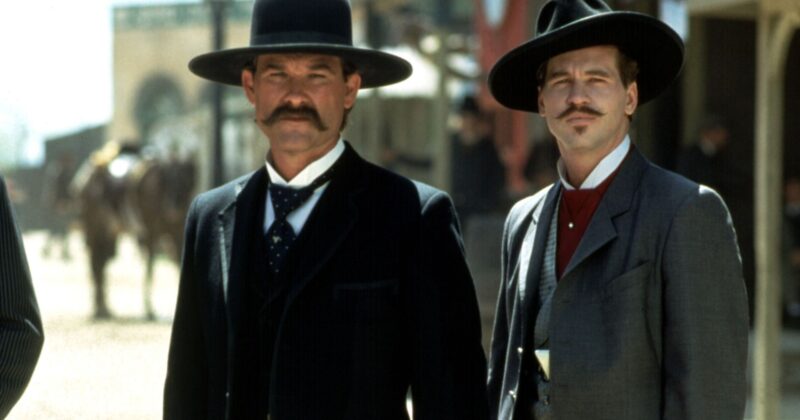
Few films among modern Westerns have become as iconic as Tombstone. While the original movie captivated audiences with its intense showdowns, unforgettable performances, and gritty look at the American frontier, what many fans don’t know is that a sequel script once existed—a script that would have boldly left Wyatt Earp out of the saddle entirely.
Stephen Lang: Outlaw On Screen, Storyteller Off It
Fans typically remember Stephen Lang for his villainous roles, most notably as Ike Clanton in Tombstone and as the relentless Colonel Quaritch in Avatar. Yet behind the scenes, Lang had ambitions beyond acting. During a recent conversation with Michael Biehn—his Tombstone co-star—Lang shared a remarkable bit of forgotten cinematic history: he wrote a script for a direct sequel titled Tombstone 2: The Chinaman’s Chance.
This hypothetical sequel would have marked a dramatic shift, sidelining Kurt Russell’s Wyatt Earp and shining the spotlight instead on Sam Elliott’s Virgil Earp. While the original story wrapped with Wyatt going on his famous vendetta ride, Virgil’s own journey left ample territory for exploration. In history and in the film, Virgil left Tombstone wounded and with his reputation scarred, moving through a series of lesser-known exploits as both a marshal and a miner in the American West.
Mining, Revenge & Forgotten Outlaws
Lang’s screenplay for Tombstone 2 was envisioned as a mining tale, delving into the hardships and moral complexities faced by the Earps after they exited the burning spotlight of Tombstone’s main street. The sequel would follow Virgil as he tries to carve out a new path, battered physically and spiritually from the chaos of his past. While Ike Clanton—the original film’s mealy-mouthed antagonist—would resurface, it was Phineas Clanton who was set to become the story’s true villain, taking center stage as a more menacing force than his infamous brother. Lang described Phineas as so ruthless, he made the rest of the Clantons ‘look like Shirley Temple.’
What really elevates this unused script is its potential for examining uncharted conflicts and nuanced relationships. With Sam Elliott’s grizzled gravitas, a Virgil-centric narrative could peel back the myth of Earp vengeance to reveal the toll exacted on survivors and less-remembered family members. In a genre that too often recycles the same legends, this angle would have delivered something rare: a Western focusing on recovery, resilience, and unfinished vendettas amid the exhausted ruins of boom towns gone bust.
‘A Chinaman’s Chance’: A Title with Loaded History
The subtitle The Chinaman’s Chance isn’t just a catchy hook. The term, rooted in 19th-century American slang, referred to the near-impossible odds faced by Chinese immigrants in the American West—many of whom labored in the very mining camps the sequel would have depicted. It evokes the bleak, often desperate social landscape for minorities during the era, and the way the deck was stacked against newcomers or anyone on the wrong side of power. Lang’s use of the phrase hints that his script would have foregrounded both the historical realities faced by immigrants and the broader struggles of the so-called underdogs of the West.
A Western Epilogue That Might Have Been
It’s unclear whether Lang planned any kind of Wyatt Earp cameo; his script remains a tantalizing what-if. But the idea of moving the franchise beyond Wyatt’s overexposed legend is itself audacious. For a genre known for lone gunmen, shifting focus to the battered but unbroken Virgil, and anchoring it in themes of mining, migration, and revenge, would have granted the Tombstone saga a fresh, resonant chapter.
With Stephen Lang’s willingness to flesh out the unexamined corners of Western myth—and with Sam Elliott in a rare lead role—Tombstone 2 had the foundations of a classic epilogue. The concept lingers not just as a missed blockbuster, but as an emblem of Hollywood’s countless unrealized projects, where ambition sometimes outpaces fate—and sometimes that’s what keeps legends alive.