Nintendo’s Lawsuit Against the U.S. Government: What the Industry’s Watching Now

Nintendo Takes a Bold Legal Step Over U.S. Tariffs
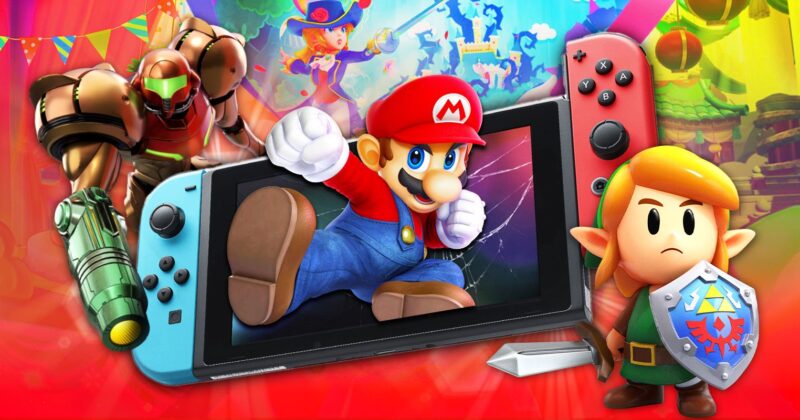
The video game industry is known for its high-stakes drama, but Nintendo’s latest move might be one of the boldest yet. The Japanese company, synonymous with global icons like Mario, Link, and Samus, has engaged in a legal battle with the U.S. government, challenging trade tariffs that have sent ripples across not just gaming, but tech as a whole.
Why Nintendo Filed Suit — And What’s At Stake
Nintendo’s lawsuit centers on what it describes as ‘unlawful trade measures’ that resulted in over $200 billion of tariffs, directly impacting its operations, especially around the anticipated launch of Nintendo Switch 2. The company is demanding full reimbursement, including interest, for any tariffs paid under the International Emergency Economic Powers Act (IEEPA). This legal move isn’t Nintendo operating in isolation — it’s one among more than a thousand companies taking a stand, following a Supreme Court ruling that drastically changed how tariffs can be imposed in the U.S.
The Fallout for Nintendo and Its Fans
One of the initial flashpoints was the rollout of Switch 2. Tariff complications forced Nintendo to delay pre-orders in the U.S., even if official launch dates remained untouched. In response to this instability, the company made discreet moves to increase prices on almost every accessory in its lineup, holding the flagship hardware steady in an attempt to balance consumer trust with commercial loss. This strategy is reminiscent of cost-absorption techniques seen elsewhere in consumer electronics, but it comes with long-term risks if the legal environment doesn’t stabilize soon.
The Unexpected Pause in Legal Proceedings
In an unexpected twist, the case has hit a temporary pause while authorities revisit the legal foundations of IEEPA. The Supreme Court has clarified that only Congress can authorize such tariffs, muddying the waters further for companies seeking back pay. Until the U.S. Court of International Trade settles on next steps, the entire industry is left in a state of limbo. Progress could happen quickly or drag on for years — a scenario veterans of tech litigation know all too well.
What This Means for the Future of Gaming Hardware
While the courts deliberate, companies like Nintendo are left making tough decisions. If the current regulatory uncertainty continues, it wouldn’t be surprising to see more price hikes, not only on accessories but potentially on the Switch 2 console itself or a shake-up in subscription offerings like Nintendo Switch Online. Fans and analysts alike are keeping a close watch, as these developments could set precedents far beyond gaming hardware — affecting tech importers and consumers on a broad scale.
Nintendo’s Legacy of Legal Vigilance
Those familiar with Nintendo’s history know this isn’t the first time the company has fought fiercely in court. From patent battles to staunch defenses of intellectual property, Nintendo has a reputation for shaping legal norms in the industry. With the stakes higher than ever, its latest move could redefine the balance of power between global manufacturers and national economic policy, especially as new consoles and services continue to drive innovation — and competition — across the entertainment landscape.