Dragon Ball: The Most Powerful Villains Even Goku Couldn’t Defeat

Goku’s Surprising Record: Legendary Fighters He Never Truly Defeated
Across decades and multiple series, Goku stands as the ultimate symbol of strength and perseverance in anime. Yet, while many see him as the one who always saves the day, the reality within the vast universe of Dragon Ball is more nuanced. Goku’s heroic journey is punctuated by legendary foes he could never overcome on his own, reshaping what it means to be the protagonist in a shōnen saga. Let’s delve deeper than the usual power rankings and explore the technical, emotional, and narrative reasons behind Goku’s inability to defeat these notorious villains.
Raditz: Family Ties Define the Beginning of Z
Goku’s Saiyan brother, Raditz, set the tone for Dragon Ball Z with a dramatic introduction. Not only did Raditz outclass both Goku and Piccolo in raw power, but the only way Goku could help defeat him was by sacrificing himself, allowing Piccolo’s Special Beam Cannon to strike them both. The fact that Raditz was never revived cemented this first saga as one where Goku’s heroism relied on teamwork, not solo glory—a theme that would echo throughout the franchise.
Vegeta: Rival Turned Ally, Never a Conquered Foe
Vegeta is possibly Goku’s greatest rival and a massive influencer on the tone and scale of Dragon Ball. Despite several battles, Goku has never defeated Vegeta one-on-one. Their first epic encounter only ended thanks to support from allies—Gohan, Krillin, and Yajirobe. This enmity evolved into partnership, but unlike other shōnen heroes who dispatch their rivals, Goku and Vegeta’s competition remains unresolved, highlighting the franchise’s unique approach to rivalries and alliances.
Captain Ginyu: Outsmarting Strength
Captain Ginyu, notorious for his mind-swapping Body Change technique, managed to take over Goku’s body during their confrontation on Namek. Although Ginyu’s raw strength is moderate compared to later foes, his cunning and unique abilities enabled him to briefly overpower Goku. Without the interference (and quick thinking) of his allies, Ginyu’s unconventional threat could have ended the Saiyan’s journey far sooner.
Android 19: Fallen to Circumstance
Android 19 is among the rare cases where Goku was physically superior early in the fight, landing decisive blows while in Super Saiyan form. Unfortunately, his chronic heart virus struck mid-battle, incapacitating him and forcing Vegeta to intervene. Android 19’s victory is bittersweet, hinging not on overwhelming power, but on Goku’s vulnerability—a stark reminder that even iconic heroes can falter when least expected.
Cell: Tactical Supremacy
As one of Dragon Ball’s most fascinating villains, Cell possessed intellect, composure, and an evolving arsenal. Goku’s climactic Instant Kamehameha left Cell wounded but not defeated; if anything, Cell’s capacity to regenerate and adapt made him stronger. Ultimately, it was Gohan who ended Cell—forging one of the franchise’s most memorable arcs and proving that victory sometimes means passing the torch to the next generation.
Beerus: The Limits of Mortal Ambition
Beerus, the God of Destruction, represents a new order of threats in Dragon Ball Super. Even when harnessing Mastered Ultra Instinct, Goku stands nowhere close to Beerus’ divine might. Beerus is currently less an adversary and more a cosmic benchmark—one Goku aspires to challenge but has yet to surpass, emphasizing the shifting scale of threats and potential in the multiverse era.
Fused Zamasu: Supreme Power Beyond Comprehension
When Zamasu merged with his future counterpart, he achieved a grotesque form of divinity far surpassing the Gods of Destruction. Goku, even with help from Vegeta and Trunks, proved utterly outmatched. The threat was so gargantuan that Zeno—the omnipotent king—had to erase Zamasu’s entire timeline. This moment alone demonstrates the growing narrative risk in Dragon Ball, with threats that demand solutions beyond traditional fighting prowess.
Jiren: The Mortal Who Defied Gods
Introduced in the epic Tournament of Power arc, Jiren redefined the standard for mortal enemies. Goku’s Spirit Bomb, ultra forms, and relentless assaults—none worked. Pushed to the brink, Goku did unlock Mastered Ultra Instinct, but his body couldn’t sustain the form alone. Only the last-minute teamwork of Frieza and Android 17 tipped the scales, reaffirming the series’ recurring message: the lone hero rarely wins against the galaxy’s greatest.
Broly: Fury Unleashed, Fusion Required
The return and reimagining of Broly in Dragon Ball Super injected new lifeblood into the saga. Unlike traditional villains, Broly’s rage-fueled strength overwhelmed both Goku and Vegeta individually, forcing them to fuse as Gogeta to stop him. The Broly battles serve as masterclasses in action animation and underscore the staggering power gaps that can exist, no matter how much the main heroes progress individually.
Black Frieza: The Ultimate Evolution of a Nemesis
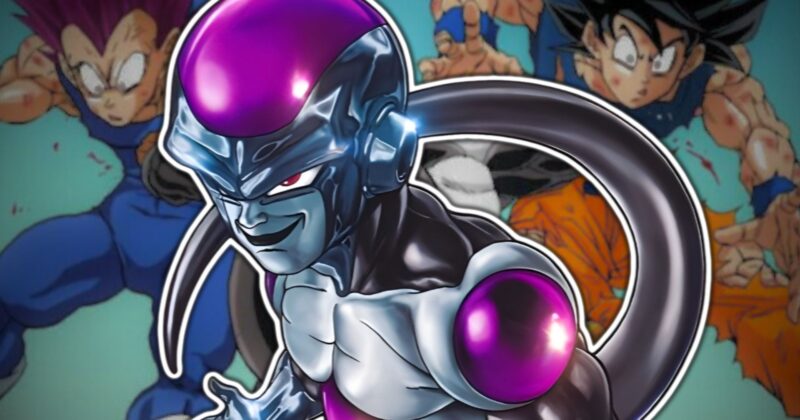
Black Frieza, the most recently introduced form of the infamous Frieza, stands as the deadliest and most mysterious threat yet. Towering over even Ultra Instinct Goku and Ultra Ego Vegeta, Black Frieza unveiled power levels that eclipse anything the current hero roster has displayed. His debut guarantees that Goku’s journey of improvement is far from over and that the concept of ‘undefeatable villain’ is alive and well within the modern era of Dragon Ball.
The legacy of these unparalleled threats reveals the storytelling power behind Dragon Ball: progress isn’t always linear, and sometimes even the mightiest hero faces enemies they simply can’t overcome alone—or at all. For fans and newcomers alike, each of these iconic villains embodies a new chapter where the stakes soar higher, and Goku’s resolve continues to inspire, even in defeat.