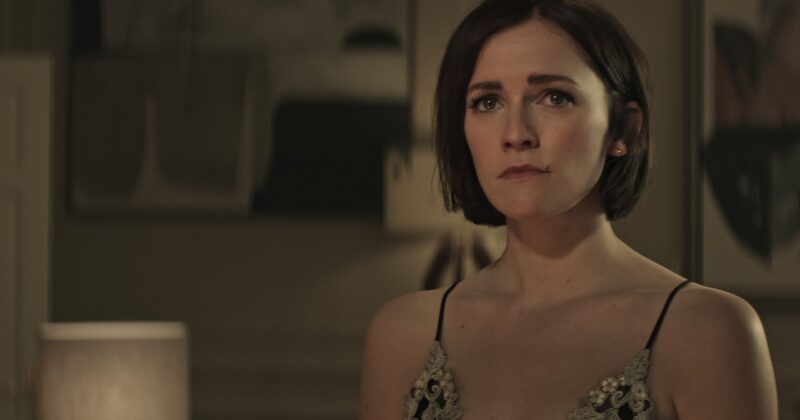
Why Netflix’s ‘You’ Transcended Crime TV Expectations and Became an Iconic Thriller

The Unlikely Success Story of Netflix’s ‘You’
The landscape of modern crime television is crowded with formulaic procedurals and predictable whodunits, but every so often, a series emerges to shake things up. Netflix’s ‘You’, fronted by Penn Badgley’s disquietingly charming Joe Goldberg, is a five-part journey that shouldn’t have worked—at least, not by conventional standards. Yet against all odds, it became one of Netflix’s most talked-about and suspenseful thrillers, drawing audiences into its darkly layered narrative.
Challenging the Crime Genre Formula
Standard crime series often play it safe: familiar detectives, weekly crimes, and a reset at the end of every episode. ‘You’ flips that paradigm. Instead of focusing solely on the hunt for justice, the show plunges viewers into the mind of its protagonist—a killer whose obsessions blur the lines between love and dangerous fixation. Every season peels back a new layer of psychological complexity, using Joe’s unreliable narration to walk audiences uncomfortably close to the edge of empathy before abruptly reminding them of his capacity for harm.
Tackling Controversial Themes With Precision
Far from just another crime drama, ‘You’ leans headlong into some of television’s most controversial territory. Stalking, obsession, manipulation, abuse, and trauma are not side plots—they are intrinsic to every relationship, every episode. Where many shows might shy away or fumble with the execution, ‘You’ manages to approach these topics in ways that feel both visceral and thoughtfully stylized. It’s a tightrope walk made even riskier by past Netflix controversies, most notably the backlash faced by shows like ’13 Reasons Why’—where mishandling serious issues resulted in major public outcry and significant edits post-release.
Why ‘You’ Resonated Where Others Faltered
So why did ‘You’ succeed where others failed? The answer lies in its narrative approach. Unlike shows that tackle heavy topics with relentless bluntness, ‘You’ infuses its storytelling with a unique cocktail of noir stylization and surreal, almost fantasy-like inner monologue. Joe Goldberg is not a hero in disguise—his flaws and malice are purposefully exposed. The unsettling charisma that Badgley brings allows viewers to oscillate between fascination and dread, never forgetting the true darkness that lurks in the character’s psyche.
Throughout the series, the writing and direction cultivate a sense of ambiguity, only to decisively clarify the moral consequences by the final episodes. Earlier seasons were criticized by some for glamorizing stalking and toxic romance, but the arc was always moving toward unmasking these delusions—leaving no questions about the dangers and destruction caused by Joe’s actions.
Performances That Anchor the Chaos
The cast of ‘You’ goes beyond the chilling presence of Badgley. Charlotte Ritchie, Elizabeth Lail, and a rotating ensemble ensure that the narrative remains dynamic and emotionally charged. The supporting characters aren’t simply pawns in Joe’s games; they are fully realized individuals, each with their own agency and secrets, adding nuanced tension to every new storyline.
Shifting Perspectives in Crime Thrillers
‘You’ is part of a growing trend where crime and thriller series dissect not just the acts of violence but the psychology behind them. By exploring the world through the perpetrator’s gaze and inviting viewers to witness the rationalizations, the show invites uncomfortable questions about audience complicity, media sensationalism, and the myths we build around tragic figures. It’s a rare instance where a crime series is just as interested in deconstructing its own impact as it is in delivering pulse-pounding entertainment.
The Legacy of ‘You’: A Masterclass in Modern Suspense
The final chapters of ‘You’ confirms its bold storytelling vision, ultimately leaving a mark on how streaming originals can challenge both the genre’s formulae and the audience’s expectations. The show’s legacy lives on as a standard-bearer for risk-taking in crime and psychological thrillers, ensuring its place in the streaming era hall of fame alongside the likes of Mindhunter, Breaking Bad, and other revered titles.