The Live-Action Journey of Superman
Superman has been a central icon in pop culture for generations, not only as a symbol of hope in comic books but as a cinematic and television legend. From the silver screen serials to today’s blockbuster universe, each actor and creative team has shaped the mythos for their era, echoing the advance of filmmaking technology and storytelling trends. Here’s a deep dive into how Superman’s live-action persona has continually evolved, reflecting both technical progress and the ever-shifting desires of fans and filmmakers alike.
Kirk Alyn: The Pioneering Serial Superman
Kirk Alyn’s early portrayal embodied the spirit of the 1940s, with a simple costume and groundbreaking (for the time) animation techniques representing Superman’s flight. These black-and-white adventures were engineered for a young, weekly audience, setting the tone for live-action superheroes at a time when visual effects were limited to hand-drawn flights and straightforward stunts. Alyn’s version remains a blueprint for how to imbue cinematic charm with minimal resources.
George Reeves: Defining the Television Superhero
Television’s first superhero breakout arrived with George Reeves in The Adventures of Superman. His version embraced the larger-than-life visuals of color comics, with a sky-blue suit, accentuated cape, and pronounced chest emblem. Reeves’ Superman balanced campy adventures with sincerity, making the Man of Steel a household name, and introducing generations to the concept of a superhero championing justice on the small screen.
David Wilson: The Broadway Superman Experiment
In a unique twist, David Wilson starred in the TV adaptation of It’s a Bird… It’s a Plane… It’s Superman. This musical brought a stylized, vibrant look but struggled to capture the superhero’s gravitas. Leaning into theatricality, the costume was more flamboyant than formidable, focusing on camp value over superheroics, and resulting in a curious footnote in Superman history rather than a lasting classic.
Christopher Reeve: The Cinematic Golden Standard
No discussion of Superman is complete without Christopher Reeve. His portrayal merged athletic credibility with a costume that defined superhero fashion for generations. The bold reds, blues, and iconic trunks became imprinted on pop culture. Supported by revolutionary special effects, these films finally convinced audiences ‘a man could fly’. Reeve’s Superman exuded optimism, balancing epic action and heartfelt humanity while Çasting Lois Lane and Lex Luthor into the cinematic spotlight.
Superboy’s Radically Youthful Spin: John Haymes Newton & Gerard Christopher
Superboy gave Clark Kent’s formative years their own saga. Costumes favored primary colors over technical polish, thanks in part to smaller budgets, sometimes resembling comic book cosplay rather than Hollywood superheroics. Despite its constraints, the series experimented with serialized drama and broader DC lore, making young Superman relatable to a new TV generation.
Dean Cain: The Romantic Redefinition
With Lois & Clark: The New Adventures of Superman, Dean Cain challenged formula by shifting emphasis to Clark and Lois’ relationship. The costume, featuring glossy spandex and powerful color contrasts, reflected 1990s TV trends but looked less heroic beside today’s suits. At its core, Cain’s portrayal succeeded by spotlighting humanity and personal connection over spectacle, keeping Superman in the mainstream during quieter superhero years.
Tom Welling: The Long Wait for the Suit in Smallville
Smallville reimagined the Superman saga through a coming-of-age lens. Tom Welling embodied Clark Kent’s evolution, spending the majority of the series in symbolic street wear—most notably, a red leather jacket featuring the “S” emblem. The full reveal of the Superman suit was saved until the climactic finale, delivering maximum payoff for longtime viewers. The focus here was emotional growth and destiny, priming audiences for superhero origins with a contemporary, serialized approach.
Brandon Routh: Nostalgia Meets Modern Filmmaking
Brandon Routh’s Superman built upon the Reeve legacy while adapting for a new era. The suit emphasized deeper reds and gold, with detailed textures to match the sophistication of modern cinema. While the Superman Returns storyline drew heavily from classic roots, visual upgrades—from realistic capes to polished CGI—meant Superman could shine amid big-budget spectacles, blending tradition with contemporary expectations for heroism on screen.
Henry Cavill: The Kryptonian Renaissance
Entering a new era, Henry Cavill redefined Superman with a darker, more mythic aesthetic in Man of Steel and subsequent DC output. The suit was a leap forward—trunks and belt gone, textured Kryptonian armor in, and colors muted for epic realism. Massive CGI battles, especially against General Zod, elevated the scale and drama, while Cavill’s performance amplified Superman’s alien heritage and internal struggle. This take resonated perfectly with contemporary trends in gritty, universe-spanning superhero storytelling.
Tyler Hoechlin: The Modern TV Hero
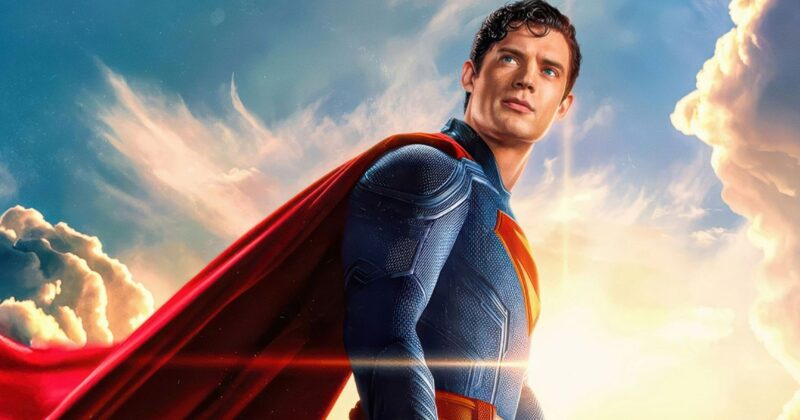
Most recently, Tyler Hoechlin has delivered a Superman that bridges classic charisma with postmodern complexity on Superman & Lois. His suit balances tradition—iconic color palette, prominent shield—with updated athletic tailoring and fabric. Hoechlin’s performance leans into both family drama and heroic spectacle, showcasing how multi-layered storytelling and high production values have become essential for today’s superhero television. He maintains Superman’s core virtues while adapting to the expectations of a streaming-savvy, multi-generational audience.
Superman’s on-screen journey highlights not just the evolution of a character, but the transformation of popular culture itself. Every costume, performance, and special effect is a testament to the enduring spirit and adaptability of the world’s most recognized superhero.