An Unforgettable Blend: Time Travel, Romance, and Intrigue
Since its debut, Outlander has transformed perceptions of what a historical fantasy series can achieve. Uniting romantic drama, time-travel twists, and meticulously researched historical backdrops, the series quickly stood apart in a competitive television landscape. In a genre often plagued by repetitive tropes, Outlander carved a niche all its own, deftly navigating the perils of adapting sprawling literary sagas into rich, character-driven television.
The Source Material: Diana Gabaldon’s Epic World
The show draws on the vast expanse of Diana Gabaldon’s bestselling books, adapting each season to correspond with a novel—a feat that anchors the show with a literary weight rarely seen in fantasy TV adaptations. This literary base has been a blessing and a challenge: while most seasons follow Gabaldon’s intricate plotting, the latter seasons have undertaken the monumental task of weaving together several novels’ worth of material and resolving loose ends left in previous seasons.
Notably, season seven drew content from three books, demonstrating the showrunners’ commitment to maintaining narrative cohesion while delivering on fan expectations. And while Gabaldon’s series is not yet complete, with the tenth novel still unreleased, the TV show’s direction has managed to sustain dramatic momentum and thematic consistency.
Longevity Rarely Seen in Fantasy TV
With eight seasons under its belt, Outlander stands as one of the most durable fantasy properties on television. Shows in this genre often struggle to maintain relevance or audience engagement across so many years and arcs. Outlander’s continued success can be attributed to its loyalty to the emotional core of its source material and its evolving, complex lead characters.
However, endurance comes with its own set of challenges. Longtime fans will recognize that, despite its myriad strengths, the series hasn’t always stuck the landing on every plotline. Certain narrative choices—such as Geillis Duncan’s questionable return, or anachronisms like witch trials after they were banned—have drawn criticism. Yet, the producers have repeatedly demonstrated a willingness to learn and adapt, tightening narrative focus as new seasons unfold.
Performance-Driven Magic
At the heart of Outlander is the electric chemistry and nuanced performances of its leads, particularly Caitríona Balfe in the role of Claire. Critics have taken note of her ability to project layered emotions, elevating the most fantastical elements of the story with a grounded authenticity that’s become one of the show’s trademarks.
The supporting cast has grown stronger over time, their performances lending weight to evolving historical events and increasingly high-stakes drama. The directors—ranging from industry veterans to fresh voices—masterfully juggle breathtaking scenery, battle sequences, and delicate character moments.
A Critical Darling—And a Fan Favorite
From the outset, Outlander has been celebrated by both critics and audiences, consistently earning high marks for its writing and storytelling. The series’ ability to balance sweeping adventure with intricate emotional arcs has set a lasting standard for fantasy television. Recent seasons, in particular, have won praise for their willingness to dig deeper into complex character relationships and for addressing past missteps with a clear eye on improvement.
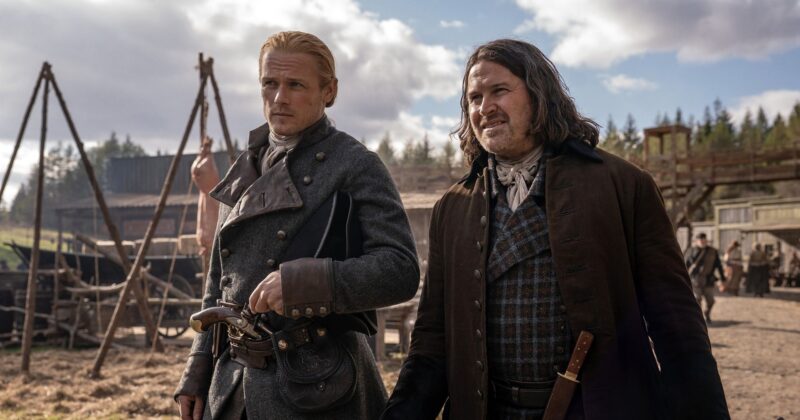
As the current season unfolds, early reception highlights a return to form, with the renewed focus on Claire and Jamie’s dynamic and the magic that first made audiences fall in love with the series. With a following that crosses generational lines, Outlander’s influence on the historical fantasy genre is set to endure, providing a benchmark for future adaptations and original series alike.