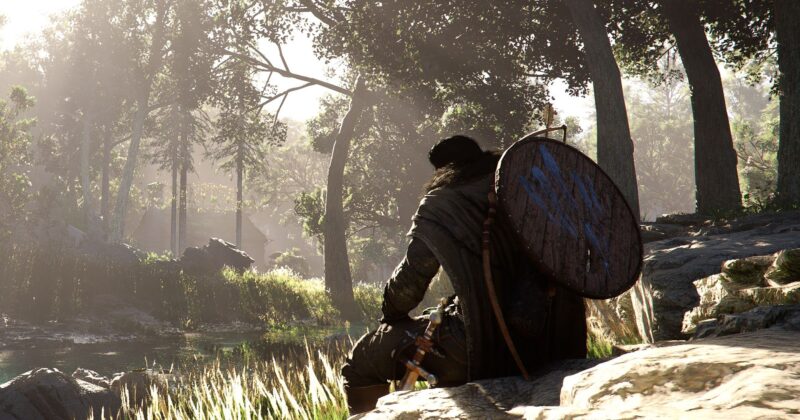
Crimson Desert: Why the Game’s PC Version Is a Visual Powerhouse

Crimson Desert’s Visual Revolution: Where It Truly Shines
Crimson Desert isn’t just riding the wave of next-gen RPGs—it’s setting the pace for what’s possible when an epic open world meets cutting-edge technology. Developed by Pearl Abyss with their proprietary BlackSpace engine, the game instantly stands out for its ambitious landscapes and atmospheric detail. But as any technology enthusiast or RPG veteran knows, how you experience those visuals will depend heavily on the platform you choose. The truth is: the game’s graphics on a high-end PC leave consoles trailing behind, especially for players who demand technical perfection.
Ray-Tracing: The PC Advantage Explained
Over the past few years, ray tracing has gone from an experimental feature in a handful of titles to the backbone of lighting in blockbuster games. Crimson Desert is no exception—in fact, it leans all-in on ray tracing for its lighting pipeline. The key difference: on consoles and lower-end PCs, the game dramatically reduces the number of rays being calculated and employs a simpler denoising system. Even on hardware like the PlayStation 5 Pro, this keeps performance smooth but flattens some visuals, diminishing that sense of depth and realism seen in jaw-dropping tech demos.
PC players, however, can unlock ray reconstruction: a more sophisticated approach that processes lighting data to create shadows and reflections with far greater subtlety. This is where Crimson Desert on PC starts to flex hard—improved shadow complexity, richer ambient effects, and even subtle light bounces that make environments feel alive. There’s a caveat, though: enabling these advanced settings comes with a performance cost. Digital analysis suggests up to a 24% frame rate dip when ray reconstruction is maxed out, even on powerful rigs.
Console Graphics: Still Impressive, But the Gap Is Clear
Don’t write off consoles just yet. Crimson Desert looks impressive on PlayStation and Xbox, offering optimization that ensures smooth gameplay and strong baseline visuals. However, for players attuned to graphical fidelity, the difference is unmistakable. Console versions employ aggressively pruned ray-tracing and denoising, which, while effective for stable frame rates, result in flatter lighting compared to the lush, layered vistas possible on PC. This isn’t just relevant for digital artists or benchmark chasers—anyone exploring the world’s dynamic environments or engaging with moody, cinematic story moments will notice the upgrade on a high-end PC setup.
Making the Most of Your System: Practical Advice
If you’re planning to play Crimson Desert on PC, take advantage of the versatile graphics options. Experts suggest:
- Enable ray reconstruction if your GPU can handle it—this feature dramatically improves the sense of space in both interiors and sprawling landscapes.
- Don’t hesitate to lower certain secondary graphics settings to prioritize lighting and shadow quality. Lighting is what defines the game’s signature look.
- Keep an eye on development updates, as pop-in and other minor graphical issues might be addressed in future patches, given the game’s ambitious scale and evolving technical support.
Crimson Desert in 2026: A Showpiece for the New Era
With a single-player focus and open-world adventure at its core, Crimson Desert is poised to become a talking point not just for RPG fans, but for anyone passionate about the future of interactive entertainment. The trade-offs between visual fidelity and performance have never been more clear or customizable. For those who want the definitive version of this ambitious title, investing in a high-performance PC will reward you with the game’s full visual splendor—ray reconstruction and all.
For more information or to purchase, check the official Crimson Desert Steam page.