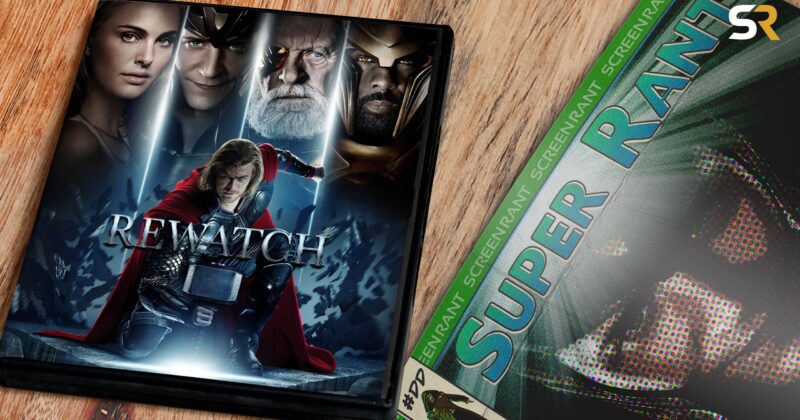
Thor: The Cosmic Gamechanger That Shaped the Modern MCU
Thor and the Birth of Marvel’s Mythological Universe
When Marvel Studios introduced Thor, it took the Marvel Cinematic Universe, once closely anchored to science and technology, and boldly expanded its mythology. While Iron Man and The Incredible Hulk laid a solid, grounded foundation, Thor propelled the MCU into unfamiliar, cosmic territory, weaving Norse legend and sprawling interdimensional politics into its DNA.
This was more than just a genre shift; it marked a leap in Marvel’s storytelling ambition. Asgard, with its visually arresting golden spires and rainbow Bifrost, arrived as a visual and thematic counterpoint to Tony Stark’s high-tech laboratories. It was a calculated risk: to blend gods, ancient prophecies, and alien worlds with the recognizably modern. Retroactively, it’s clear just how confident Marvel was in its universe-building, showing restraint and balance through the lenses of SHIELD and characters like Hawkeye, keeping the fantastical relatable for audiences new to such cosmic drama.
Loki: The Villain Who Became a Legend
Among all the elements Thor brought to the table, Tom Hiddleston’s Loki was instantly iconic. Unlike the parade of one-note antagonists that plagued early superhero movies, Loki was equal parts jealousy, insecurity, wit, and pain. Hiddleston layered every scene with vulnerability and dark charisma, turning Loki’s hunger for validation into something as compelling as his schemes for the throne.
Loki’s impact resonates across the MCU. From his Shakespearean manipulations in Thor to his world-shaking role in The Avengers and his evolution into a complex antihero in Marvel’s Loki series, Hiddleston’s portrayal redefined the scale and depth possible for comic book villains. His story—full of loss, desperate acts for approval, and eventual self-discovery—remains one of the MCU’s most captivating arcs.
Thor’s Journey: From Arrogance to Heroism
Chris Hemsworth’s early interpretation of Thor showed plenty of promise, but it was through subsequent sequels and ensemble appearances that the character truly blossomed. The first film lays crucial groundwork: Thor’s fall from grace, his struggle to prove himself worthy, and his early bonds with Earth’s heroes. These narrative seeds allowed for deeper, more nuanced explorations later—culminating in the humor, heartbreak, and heroics seen in Thor: Ragnarok and major Avengers crossovers.
Jane Foster’s presence, along with SHIELD’s early encounters, offered fresh perspectives on how mortal and immortal worlds intertwine. The fusion of cosmic myth with personal stakes set Thor apart, making every following film richer for it.
The Lasting Impact and What’s Next
The long journey of Thor and Loki through the MCU is unmatched in depth and legacy. Their relationship evolved from fraternal rivalry to brief moments of hard-won trust and back again, remaining at the emotional heart of the universe even as they crossed galaxies and timelines. While Loki’s original journey reached a poignant end in Avengers: Infinity War, the multiverse shenanigans of Avengers: Endgame and his titular series have allowed his story—and the MCU’s narrative framework—to grow even broader and more unpredictable.
As the MCU hurtles forward, both Hemsworth and Hiddleston are set to return in the upcoming Avengers: Doomsday. Fans now eagerly speculate how these characters, shaped by loss, heroism, and cosmic destiny, will collide once more. With Thor now an adoptive father and Loki holding together the fabric of the multiverse, their next clash or reunion could reshape the franchise yet again.
This early cosmic leap wasn’t just a narrative gamble—it planted the seeds for everything that followed. Worlds beyond Earth, villains and heroes deeper than their powers, and a cinematic universe ready to explore the mythic and mystical. Revisiting Thor today, the scope and stakes of Marvel’s storytelling ambitions become even clearer—and even more exhilarating for what’s still to come.