The Unfinished Legacy of Firefly—And Why Its Return Feels Monumental
Few television cancellations have echoed through fandoms like Firefly. Its blend of western grit and space-faring storytelling gained a cult following almost instantly, yet it was cut short after just one season. For years, fans have longed to reunite with Mal Reynolds and his ragtag crew, a wish that even the follow-up film Serenity couldn’t fully satisfy.
An Animated Renaissance: Why Season 2 Breaks Tradition
The much-anticipated continuation of Firefly promises to be anything but predictable. The new season is set to pick up the story between the original series and the events of the film—a narrative sweet spot, rich with unexplored adventures. However, this revival isn’t following the original’s live-action roots. Instead, the newly announced episodes will be animated, offering fans a fresh perspective on the beloved ‘Verse.
A New Creative Era: Firefly Without Joss Whedon
Perhaps the boldest departure from tradition is the absence of Joss Whedon, the original series creator whose distinct voice shaped Firefly’s humor and emotional depth. His influence is hard to separate from the original’s DNA. Yet, changing times and allegations of misconduct have led to a clean slate—Whedon is not attached to the new iteration in any form.
This isn’t just a matter of personal controversies. The sequel is now under the stewardship of Nathan Fillion’s production company, Collision33, alongside 20th Television Animation. Creative direction is in the hands of Marc Guggenheim (famed for Legends of Tomorrow and Arrow) and Tara Butters (Agent Carter, Gen V), two showrunners with proven records in genre TV, suggesting that Firefly will benefit from fresh creative energy and a new approach to storytelling. Early concept art from ShadowMachine teases faithful renditions of the original cast, building excitement for what’s to come.
Why Animation Just Makes Sense for Firefly’s Next Chapter
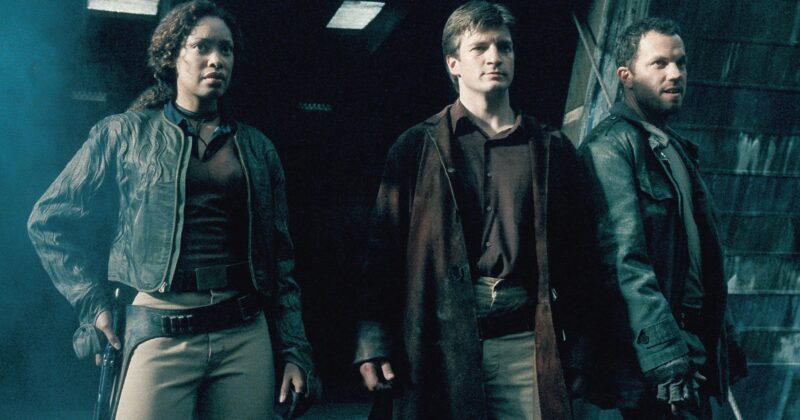
Moving to animation isn’t just an artistic gamble—it’s an elegant solution to several longstanding practical challenges. The cast, including Nathan Fillion (Mal Reynolds), Gina Torres (Zoe Washburne), and others, are all years older than their characters were in the tightly packed timeline between Firefly and Serenity. To recreate their youthful appearances in live-action would require complex, costly digital de-aging over multiple episodes—pushing budgets beyond what’s reasonable for a TV revival.
Animation sidesteps these obstacles entirely. The series’ familiar faces can remain eternally as we remember them, preserving continuity while bypassing expensive and sometimes uncanny CGI. More than that, animation unlocks the potential for bigger space battles, wilder alien planets, and ambitious action sequences—all without the physical and financial constraints of live-action production. Fan-favorite visual elements, from the Serenity’s battered interiors to the lawless vistas of the Outer Worlds, can be rendered with a level of creativity and scale that far exceeds what can be built on a set.
New Leadership, New Identity
The transition to animation doesn’t just streamline production—it signals a wider creative evolution for Firefly. With Fillion’s company and 20th Television Animation at the helm, and showrunners experienced in blending serialized storytelling and sci-fi spectacle, the stage is set for a series that stands firmly on its own merits while honoring the original’s legacy. Mutant Enemy, Whedon’s studio, is no longer active, making way for new voices to shape this world.
Early script reports and concept designs affirm that this is a project moving swiftly forward. For longtime fans, this means anticipation is no longer just wishful thinking—the return of Firefly feels tangible, with its tone and identity poised to evolve for both returning Browncoats and a new generation of viewers.
Looking Ahead: The Firefly Universe Expands
While the absence of its original creator might put some fans on edge, Firefly’s resurrection as an animated series is loaded with opportunity. The shift not only solves technical limitations but also supercharges the creative boundaries, ensuring new stories aren’t limited by time, age, or production constraints. This is a universe ready to be explored in ways the original could only dream of—and the fandom’s journey through the Black is far from over.