10 TV Episodes That Changed Television Forever and Cannot Be Recreated

Unrepeatable Masterpieces: TV Episodes That Redefined the Medium
Television has always pushed narratives to their breaking point, but some episodes reach a creative pinnacle that time, technology, or sheer audacity makes impossible to replicate. These episodes didn’t simply break the mold: they rewrote the rules, leveraging technical prowess, storytelling innovation, or seismic performances. Here’s a deep dive into ten TV episodes that redefined what television could be—and why they remain impossible blueprints for today’s creators.
This Is Us — ‘Pilot’
The premiere of This Is Us is a storytelling clinic in narrative timing and emotional resonance. The episode introduces diverse characters whose stories appear separate, only to converge in a brilliant twist—all in different timelines. More than a plot device, this structure emotionally hooks the viewer, opening a series that expertly juggles past and present. The pilot’s delicate blend of heartache, humor, and family drama set a new standard for emotional storytelling, proving a well-orchestrated twist can transform a drama into an instant classic.
The Sopranos — ‘College’
The Sopranos frequently challenged the concept of what a TV protagonist should be, but ‘College’ is the episode that shattered the myth of the always-sympathetic main character. Tony Soprano, on what appears to be a father-daughter college tour, ruthlessly murders an informant, delivering a stark, chilling reminder of his true nature. Its raw depiction of moral ambiguity altered television’s DNA: heroes could be complex, even monstrous, and audiences would still watch in rapt fascination. This approach redefined the modern antihero for years to come.
The Haunting of Hill House — ‘The Bent-Neck Lady’
Mike Flanagan pushed the horror genre forward with The Haunting of Hill House, but ‘The Bent-Neck Lady’ is its creative high-point. Nell’s return to her haunted childhood home unravels a tightly wound mystery, culminating in the revelation that her lifelong tormentor—the bent-neck lady—is actually herself, caught in a tragic supernatural loop. The narrative pivot from horror to existential tragedy, paired with a pitch-perfect visual execution, makes this episode a genre-defining moment that expertly blends pathos with terror.
Parks and Recreation — ‘The Fight’
Comedy television is rarely as in sync as Parks and Recreation during ‘The Fight.’ This episode mixes hilarious shenanigans—a night fueled by the infamous «,snake juice,»—with raw emotional confrontation. The sharp, improvised energy captures the ensemble’s chemistry, while the central conflict between Leslie and Ann highlights real, vulnerable friendship dynamics beneath the absurdity. This juxtaposition of heart and humor is nearly impossible to script; the improv-heavy dialogue and genuine cast rapport give it a spontaneity that subsequent sitcoms struggle to imitate.
Game of Thrones — ‘The Rains of Castamere’
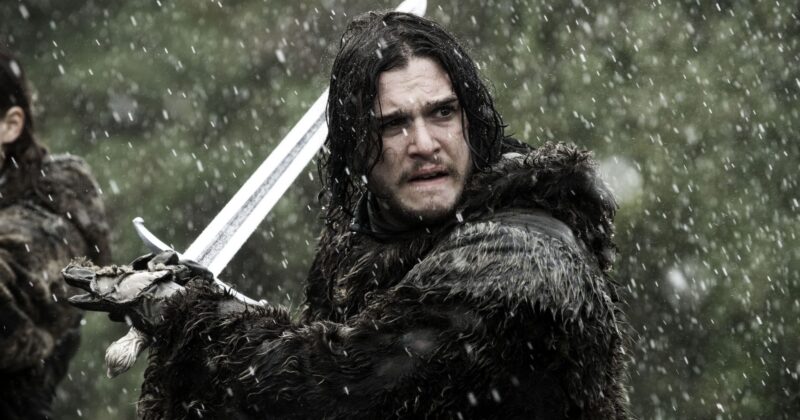
No episode in fantasy television history carries the visceral shock of ‘The Rains of Castamere.’ The so-called Red Wedding obliterated the unspoken rules of TV, killing off main characters with a cruelty that left viewers reeling. The tension, stakes, and execution redefined what high fantasy could dare on screen, making clear: in Westeros, no one is safe. Its legacy endures—not just as a major turning point in the narrative, but as the benchmark for unpredictable, high-stakes storytelling.
Doctor Who — ‘Blink’
Doctor Who has reinvented itself countless times, but ‘Blink’ emerged as a standout by barely featuring its titular hero. Instead, Sally Sparrow navigates a chilling plot involving the Weeping Angels, monsters so iconic that they’ve become embedded in sci-fi folklore. The nonlinear storytelling, ingenious use of time travel, and minimal screen time for the Doctor combine to create a suspenseful tour-de-force that’s lauded as one of the best science fiction TV episodes ever aired. Few shows manage such a radical shift in perspective without sacrificing coherence or tension, and ‘Blink’ set a standard that challenges every procedural or anthology that followed.
Lost — ‘The Constant’
Time travel on television is a narrative minefield, but Lost handled it masterfully with ‘The Constant.’ Desmond Hume’s consciousness jumps across years, blending metaphysics with a poignant love story. The episode’s masterful structure, blending heart-stopping drama with emotional catharsis, kept viewers at the edge of their seats. It’s a rare example where high-concept sci-fi is used to amplify genuine human connection, and few subsequent shows have managed to replicate that sense of wonder and loss with such finesse.
Each of these episodes leverages not only technical creativity and flawless execution but also an intimate knowledge of audience expectations—whether to subvert, exploit, or shatter them entirely. They stand as singular moments in television: unrepeatable, unforgettable, and intensively studied by anyone who dreams of innovating in the world of moving images.