Pluribus on Apple TV: Behind the Scenes of the Hive Mind’s Most Daring Decision

The Vision and Controversy Behind Pluribus: Survival, Humanity, and Unconventional Choices
Pluribus, Apple TV’s visionary sci-fi drama, has generated an impressive buzz, soaring with a near-flawless 98% critics’ rating on Rotten Tomatoes. Set in a world transformed by an alien virus that fuses humanity into a single hive mind—leaving only a handful of immune survivors—the series stands as a compelling meditation on identity, survival, and human connection. At its core: Carol Sturka, played by Rhea Seehorn, a romance novelist whose mission is not just resistance, but unmaking a world so eerily synchronized that individuality has almost evaporated.
Vince Gilligan’s Raw Approach to the Hive Mind
During a revealing session at SXSW, Vince Gilligan, the creator and showrunner renowned for his bold storytelling, discussed a provocative behind-the-scenes debate: Should the hive mind, the show’s collective antagonist, go entirely naked on screen? From a narrative angle, Gilligan’s rationale was simple yet deeply logical. The hive mind, lacking personal identity or shame, would see clothing as a wasteful indulgence. Their goals—survival, the relentless spread of the virus, minimizing unnecessary consumption—are starkly utilitarian. The prospect forced the series’ creatives to confront how far they were willing to push the boundaries of realism for authenticity’s sake.
Production Pragmatism: Striking a Balance
While the concept held true to the series’ internal logic, the logistics and implications of having hundreds of extras appear naked were daunting. Gilligan wryly remarked, ‘We’re not working for HBO,’ a nod to the cable network’s reputation for on-screen nudity in shows like Game of Thrones. Unlike its more provocative peers, Apple TV’s house style is comparatively reserved. There were ethical and practical considerations as well—subjecting extras to such a vulnerable state, working with strict broadcast standards, and, perhaps most importantly, not distracting from the show’s intricate storytelling and raw performances.
The Cast’s Relief and the Power of Visual Choices
Rhea Seehorn captured the collective sentiment when she expressed relief that Gilligan and the creative team ultimately opted against the full-nudity concept. ‘Can you imagine… if I had to try to act with 300 naked people?’ she joked, highlighting the unique challenges such an environment would have posed for the cast and crew.
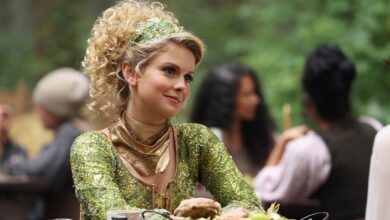
The decision to keep the hive mind clothed did more than just aid camera work or protect actor comfort. It subtly shapes viewer perceptions, allowing the show’s emotional arcs—most notably the growing bond and eventual romantic tension between Carol and Zosia (played by Karolina Wydra)—to develop organically. Would Carol have been able to empathize with, or even fall for Zosia if their interactions were conditioned by nudity and alienness from the outset?
Pluribus: Where Sci-Fi Meets Human Drama
Visually, Pluribus constantly plays with contrasts between the uniformity of the hive mind and the individuality of the immune. This visual language underpins the series’ philosophical depth: What defines a person when consciousness is shared? How does intimacy survive in a world where privacy is extinct? Questions like these are rendered all the more gripping by the show’s approach to production design, costuming, and personal interactions.
With a second season in development, there is speculation that the hive mind’s unique relationship with clothing—so emblematic of its alien logic—might become an even deeper motif. For viewers, this opens up new layers of interpretation about resource use, collective identity, and the subtle ways sci-fi television can interrogate real-world social norms.
Key Cast and Credits
Pluribus is powered by a dynamic cast including Rhea Seehorn (Carol Sturka), Karolina Wydra (Zosia), and showrunner Vince Gilligan at the creative helm. Direction from Adam Bernstein, Zetna Fuentes, and Melissa Bernstein brings to life intricate storytelling shaped by writers like Ariel Levine. The combination of innovative scripting, sensitive production decisions, and powerful performances ensures Pluribus is more than a sci-fi thriller—it’s a deeply human story set on the edge of the possible.