‘See’: The Visionary Post-Apocalyptic Drama You Shouldn’t Miss
In an era where streaming giants are constantly battling for the attention of sci-fi aficionados, Apple TV quietly unleashed one of the most imaginative series of the past decade: ‘See’. While often overshadowed by high-profile rivals, this ambitious three-part drama holds its own with a unique premise, atmospheric storytelling, and a powerhouse performance by Jason Momoa.
A Blind Future: Worldbuilding With Precision
Unlike the endless parade of post-apocalyptic shows flooding modern streaming libraries, ‘See’ dares to ask: what would civilization look like if almost all humankind lost the sense of sight? The series is set centuries after a viral catastrophe leaves the remnants of humanity blind, forging a deeply tactile, auditory, and communal way of life. This twist on the familiar end-of-the-world genre serves more than just a narrative gimmick—it transforms every scene into a sensory event, challenging how we perceive survival and society.
The Power of Community and Family
‘See’ doesn’t just rely on its brutal fights and breathtaking vistas (though both are delivered with cinematic flair). What truly propels the show is its emotional core—a close-knit family at the center, led by Momoa’s fierce yet compassionate Baba Voss. The central conflict, revolving around children who mysteriously regain sight in a blind world, pushes the concept beyond mere survivalism. Each character’s motivations, secrets, and loyalties deepen the narrative, offering viewers not just spectacle but substance.
Jason Momoa’s Defining Role
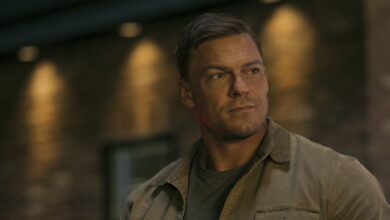
Jason Momoa’s performance as Baba Voss stands among his greatest works, equaling his iconic run in Game of Thrones and the DC Cinematic Universe. Here, Momoa imbues his character with a raw physical presence, but also surprising vulnerability—Dad energy meets survivalist, wrapped in stoic resolve. It’s a showcase of his range, moving fluidly from visceral action to scenes of tender, sometimes heartbreaking protectiveness.
Production Brilliance and World-Class Visuals
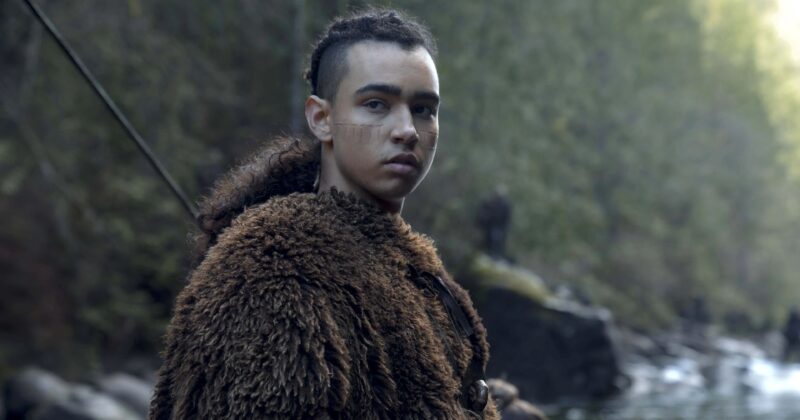
Helmed by Steven Knight, the mind behind Peaky Blinders, and crafted with a deliberate pace, ‘See’ proves Apple TV’s commitment to premium sci-fi. The visual design—lush forests, sprawling mountain strongholds, intricate tribal costumes—immerses viewers in a world both alien and oddly plausible. The choreography of battles, performed mostly by sightless combatants, sets new standards for creative action on TV.
Why Did ‘See’ End After Three Seasons?
Despite its acclaim and fanbase, ‘See’ concluded after its originally planned arc, avoiding the fate of many streaming shows that are cut short with unresolved threads. This conscious decision gave the creators space to deliver a true narrative closure, wrapping up character journeys in a way that remained true to the show’s ambitious vision.
‘See’ in the Context of Apple TV’s Sci-Fi Push
While newer Apple TV titles like Silo and Severance dominate watercooler conversations, ‘See’ laid much of the groundwork for the platform’s sci-fi ambitions. Its willingness to take risks—both thematically and in production—helped establish Apple TV as a serious contender for audiences craving innovation, not just volume. For those seeking a series that balances high-stakes drama, emotional resonance, and a world truly unlike any other on television, ‘See’ is a must-watch hidden gem within the expanding universe of streaming entertainment.