Poison Ivy’s Stunning Reinvention: A Landmark Era for Gotham’s Botanical Antihero

Poison Ivy: Gotham’s Queen of Reinvention
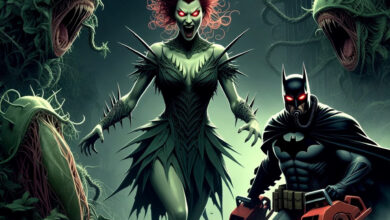
The world of DC Comics has always embraced reinvention, and few characters exemplify this more than Dr. Pamela Isley, known to fans as Poison Ivy. Once rooted as a classic eco-terrorist antagonist, Ivy now flourishes at the heart of Gotham’s power struggles, bridging the domains of villain and antihero with masterful complexity. As her mythos grows richer, she carves out a golden era in the Batman universe, captivating both veteran readers and newcomers alike.
The Evolution of Ivy: From Rogue to Mayor
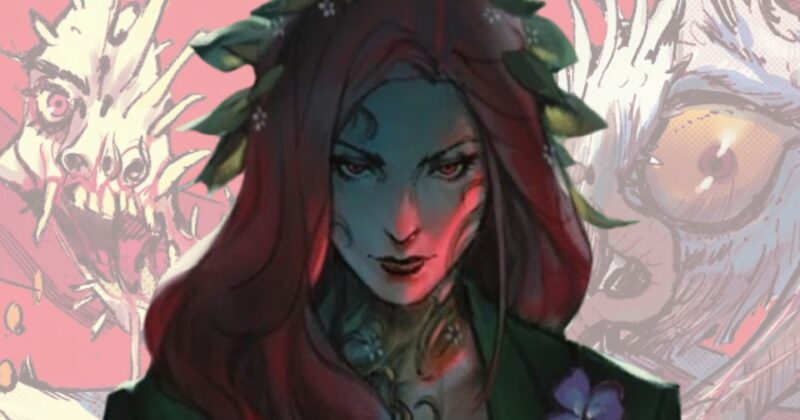
For decades, Poison Ivy held a respected—if dangerous—spot among Batman’s legendary rogues’ gallery. However, her recent trajectory in DC’s Prime Earth (Earth-0) and the spectacularly reimagined Absolute universe has solidified her as a force well beyond her original villainous roots. With G. Willow Wilson’s continuous writing and Marcio Takara’s distinctive artwork, Pamela Isley’s story has reached unprecedented heights: she is Gotham’s latest mayor, assuming a role that promises to challenge traditional notions of heroism and eco-justice.
Her ascension to power comes at a critical inflection point: with Gotham’s police commissioner seat occupied by the notorious Vandal Savage and Poison Ivy herself claiming the mayoralty amidst political chaos, the city simmers with tension. The narrative leaves the specifics of her electoral victory enticingly vague—even as the margin is overwhelming—but places her squarely at the center of Gotham’s fate.
Absolute Poison Ivy: Mythology Reforged
In the visual feast of Absolute Batman, Ivy’s persona expands dramatically: the character is redefined, not merely channeling botanical terror but manifesting the power of all six kingdoms of life—plantae, animalia, fungi, protista, eubacteria, and archaebacteria. This transformation, introduced at the Ark M Isley Ecosystem biome and realized with demonic flair, is a testament to how DC Comics continues to experiment with and enrich its core icons.
Her arc in Absolute Batman #17 and #18 may have concluded with her defeat—spanning only two issues—but the imprint left is indelible. Ivy’s tragic origins, a hallmark of the nuanced storytelling DC now champions, illuminate how even monsters are shaped by trauma, brimming with paradoxical humanity and threat. Unlike contemporaries who faced more gruesome fates (such as Bane, now a brain and eyeballs in fluid), Ivy’s legacy as a mythic creature endures, teasing future reprisals.
Poison Ivy in Pop Culture and Gaming
Poison Ivy’s influence is not contained within comic panels. Her presence stretches from the big screen—memorably portrayed by Uma Thurman—to animated and live-action TV series like Harley Quinn and Gotham. In the realm of interactive storytelling, the Batman: Arkham franchise offered cryptic teases of Ivy’s transformation, sparking ongoing speculation within the gaming community. Although plans to further explore her origin story were derailed by the cancellation of a sequel to Camouflaj’s Meta Quest exclusive, her enduring popularity guarantees she will resurface in future narratives across media.
What’s Next for Gotham’s Botanical Queen?
With Barbara Gordon (Batgirl) poised for breakout heroics in the upcoming DC: Next Level and the Bat-family on the run from Commissioner Savage’s iron grip, all eyes turn to Mayor Isley. As corruption spreads through Gotham’s institutions like an untamed vine, Poison Ivy emerges as both a symbol of hope and a lingering threat—her allegiance to Batman and his allies uncertain, her motivations fueled by both trauma and ambition.
Poison Ivy’s creative trajectory is a testament to the evolving landscape of comic book storytelling. Whether as the ambitious Mayor Isley or a monstrous avatar in Absolute myth, her complexity and vision for Gotham will keep readers and viewers enthralled across every platform she roots herself in.