Mad Max’s Legacy and the Void Left Behind
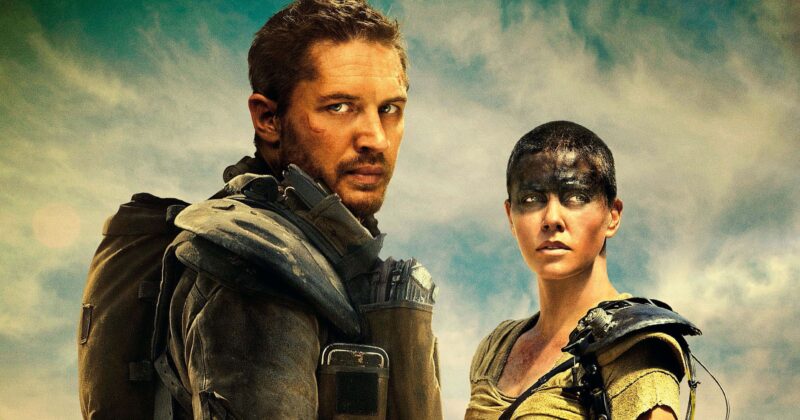
It’s impossible to talk about the modern post-apocalyptic genre without referencing Mad Max: Fury Road. George Miller’s visceral vision reinvented the franchise, captivating both critics and audiences with its relentless energy, spellbinding set pieces, and mythic scale. Despite the film’s cinematic triumph and the successful expansion with Furiosa — led by Anya Taylor-Joy and boasting global critical praise — the box office numbers remained modest. With just over $170 million earned against a hefty budget, the future of a direct sequel hangs in the balance, and the appetite for feral car chases and wasteland drama has never felt so unsatisfied.
James Wan’s Pacific Drive: A New Chapter on the Horizon
Enter James Wan, whose creative track record makes his involvement in any project a talking point. Wan is now overseeing an adaptation of the celebrated indie survival game Pacific Drive. While Miller’s Mad Max universe thrived on sandblasted landscapes and engine grease, Pacific Drive twists the formula toward something eerier and more surreal. Here, your battered station wagon is more than a ride — it’s your shield, your shelter, and almost your only friend as you explore the mysterious, shifting Olympic Exclusion Zone.
The DNA of Mad Max pulses through Pacific Drive — from the soul-deep symbiosis between hero and vehicle to the resource-scarce, threat-laden world the protagonist must navigate. Relying on a scratchy radio for guidance and companionship, players are constantly reminded of the isolation and ever-present danger that defined Max Rockatansky’s odyssey.
What Makes Pacific Drive Stand Out?
Unlike the brute-force realism of Mad Max, the world of Pacific Drive oozes supernatural tension. Instead of warring tribes and War Boys, players will face inexplicable phenomena, environmental anomalies, and psychological terror. The game’s focus on vehicular customization and repair — from swapping out a popped tire to patching up battered doors — invites a strategic approach reminiscent of the do-or-die improvisations from Miller’s films. Expect the adaptation to lean heavily into these mechanics, ensuring viewers feel every bump, creak, and near-miss along the journey.
The Rise of Indie Game Adaptations
Pacific Drive isn’t just a bold choice; it’s the latest sign of a wider movement in entertainment. Recent years have seen indie games — once niche favorites — breaking into mainstream culture through skillful adaptations. Dredge, a Lovecraftian horror title, is headed to the big screen. The Five Nights at Freddy’s saga has proved its box office potential. Arcane captivated Netflix audiences, setting a new bar for animated dramas tied to gaming universes. Even lesser-known titles like Exit 8 have captured the imagination of both critics and core fans. This trend not only acknowledges the narrative richness of gaming but also reveals a new appetite for complex world-building — a seam of pulp and innovation that Pacific Drive is uniquely poised to mine.
Will Pacific Drive Satisfy Mad Max Fans?
The overlap is undeniable. Both Mad Max and Pacific Drive are about survival — not just against other people, but against the very fabric of a hostile, transforming world. Fans heartsick for more wasteland adventures might just find the pulse they’ve missed here. With James Wan’s signature blend of suspense and spectacle, the upcoming Pacific Drive adaptation may become the next essential stop for anyone craving the raw, unfiltered energy that once defined Max’s blazing journey through the apocalypse.