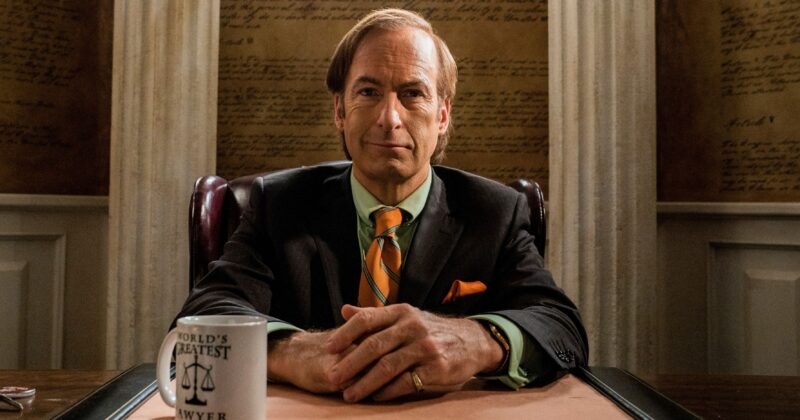
Netflix Surprises with ‘Sins of Kujo’: A Legal Thriller Melding the Tension of Better Call Saul and Training Day

An Unprecedented Fusion: Legal Drama Meets Hard-Hitting Crime
Netflix is making waves among fans of legal and crime series with its upcoming live-action series Sins of Kujo, an adaptation of Shohei Manabe’s acclaimed manga. Set to premiere globally on April 2, 2026, this anticipated release is drawing comparisons to the likes of Better Call Saul and the cult classic Training Day—and for good reason. The series promises to deliver a narrative that masterfully blends the brooding, morally ambiguous legal maneuverings of Saul Goodman with the gritty mentor-protégé dynamics that defined Denzel Washington and Ethan Hawke’s electrifying partnership.
The Plot: Twists, Intellect, and Moral Grey Zones
At the core of Sins of Kujo is its eponymous protagonist: a razor-sharp lawyer willing to exploit every loophole and ethical grey area in order to secure victory for his clients. Echoing the complexity that made Jimmy McGill a fan favorite, Kujo is less an outright antagonist and more a brilliant operator surviving—sometimes thriving—in a deeply flawed justice system. Audiences can expect to be enthralled and unsettled in equal measure, as Kujo’s Machiavellian tactics challenge our notions of right and wrong.
The entry of Amane, a bright-eyed new advocate, kicks the story into higher gear. Their relationship carries shades of the pull-and-push between Alonzo (Denzel Washington) and Jake (Ethan Hawke) in Training Day. Like Jake, Amane is initially an idealist, stepping into the legal arena with aspirations of justice. However, under Kujo’s mentorship, those ideals are quickly put to the test as they’re coaxed—or pushed—toward compromise, blurring the line between justice and corruption. Kujo’s rationale for defending society’s outcasts, insisting that the legal system’s integrity is preserved only by upholding even the most unpopular rights, mirrors Alonzo’s controversial justification for his own brand of vigilantism.
Netflix and the Challenge of Manga Adaptation
For years, live-action anime and manga adaptations faced heavy skepticism. Early attempts at titles like Death Note and Cowboy Bebop failed to capture the essence that made their sources beloved. That tide is turning. The runaway success of One Piece demonstrated Netflix’s capacity to translate even flamboyant shonen fare to live action, earning respect from both hardcore fans and casual viewers.
It isn’t a fluke: series like Alice in Borderland have proven that, with the right vision, manga adaptations can stand tall on their own merits. Despite being less mainstream than One Piece, Alice in Borderland built a fiercely loyal audience, showing that fantasy and speculative fiction can thrive outside animated form. This new era of adaptations is about thoughtful casting, high production values, and a real commitment to the thematic substance of the source.
Sins of Kujo: The Next Must-Watch in Legal Crime Drama?
Sins of Kujo positions itself at the intersection of courtroom intrigue and urban crime drama, daring to ask where the law ends and personal morality begins. With a structure reminiscent of episodic sagas from Better Call Saul, and high-stakes, emotionally fraught mentor-mentee relationships that recall the tension of Training Day, this new Netflix original has already raised expectations across the board.
The creative ambitions behind Sins of Kujo go well beyond adaptation for adaptation’s sake. Instead, Netflix is betting on stories rich with complexity and relevance, breaking new ground for global audiences open to the fusion of Japanese storytelling with Western genre sensibilities. For viewers eager for depth, edge, and psychological complexity—and for those who still miss Saul Goodman’s courtroom circus—this series could well be the new obsession.