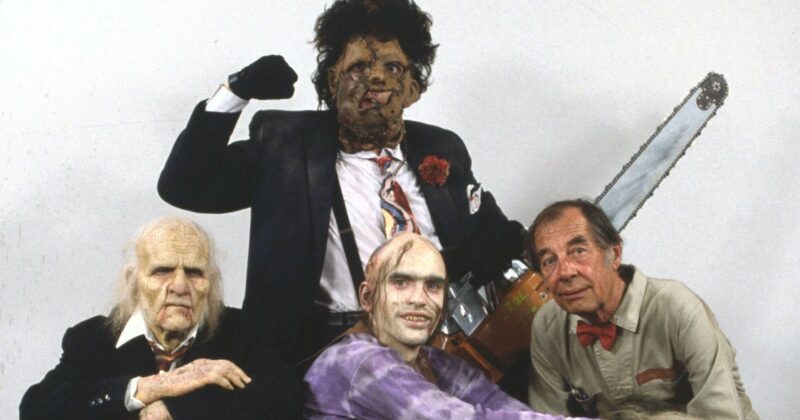
Why The Texas Chainsaw Massacre 2 Earns Its Place as a Cult Classic in Horror Cinema

The Genesis of a Cult Masterpiece
When low-budget horror triumphs, sequels usually arrive in record time, aiming to milk the original’s buzz. Franchises like Scream, Friday the 13th, and A Nightmare on Elm Street all capitalized fast. Yet, the path for The Texas Chainsaw Massacre 2 was dramatically different. Instead of a rushed sequel, the film took its time, returning to screens long after the original’s game-changing impact on horror.
Defying Expectations: From Relentless Terror to Absurdist Horror
The first Texas Chain Saw Massacre delivered an atmosphere of relentless dread and bleak realism that made it one of the most influential horror films of its era. Its documentary feel, naturalistic dialogue, and minimal gore invented a new kind of terror, far removed from both Hitchcockian suspense and B-movie excess.
But its notorious sequel flipped every expectation on its head. The Texas Chainsaw Massacre 2 dives headfirst into grisly slapstick, letting violence become both excessive and darkly comedic. Gone is any attempt at reality; instead, the movie kicks off with fraternity chaos and a gleeful disregard for logic, signaled right from its unforgettable poster—a twisted parody of The Breakfast Club that visually announces, ‘this is not the horror you remember.’
A New Tone, A New Appreciation
On release, the film confounded both critics and fans. Accustomed to the raw horror of the original, audiences weren’t ready for a self-aware, tongue-in-cheek approach to violence and fear. The box office suffered, and the sequel faded as the franchise steered back toward more familiar slasher territory in later entries.
Yet over time, genre fans began to re-examine the sequel’s boldness. Today, darkly humorous horror is a beloved subgenre, and The Texas Chainsaw Massacre 2 stands as a forerunner of that movement—riffing on its own legacy and inviting audiences to laugh nervously between shocks. The blend of horror and comedy, once seen as irreconcilable, now feels ahead of its time.
Dennis Hopper in Unhinged Form
It’s impossible to talk about this sequel without mentioning Dennis Hopper. Fresh from his iconic performance in David Lynch’s Blue Velvet, Hopper throws himself into the role of Lt. Boude ‘Lefty’ Enright, a vengeful Texas Ranger and uncle to the first film’s survivors. Eccentric, unpredictable, and gleefully unrestrained, Hopper delivers one of his most memorable genre performances—an anchor for the chaotic tone that defines the film.
His character’s mission, driven by trauma and justice, crosses paths with local DJ Stretch, whose unwitting involvement via a grisly on-air phone call draws her deep into Leatherface’s twisted world. This pairing delivers some of the sequel’s most memorable and surreal moments, magnifying both the comedy and the horror at play.
Pioneering the Horror-Comedy Hybrid
Whenever horror fans debate sequels that break the mold, Evil Dead II often claims the top spot as the definitive genre-bending masterpiece. But before Ash ever raised his chainsaw with a wink to the audience, The Texas Chainsaw Massacre 2 had already crashed through the wall, mashing gore with gags to reshape fan expectations. Sam Raimi’s slapstick ‘splatstick’ rewrote the rules a year later, but it was Tobe Hooper’s vision that truly blazed the trail for what horror-comedy could be.
Why the Sequel Matters Today
What makes the film endure is its unapologetic commitment to tonal chaos. These days, audiences are quick to embrace projects that play with genre—whether it’s horror-comedy, meta-slasher, or something entirely fresh. The Texas Chainsaw Massacre 2 offers a wild ride, mashing together horrific imagery, outlandish humor, and subversive storytelling that keep viewers guessing—even for fans who think they know what a horror sequel should deliver.