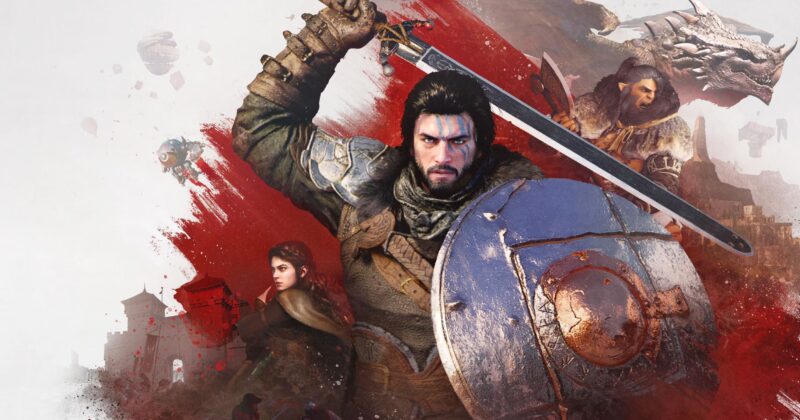
Crimson Desert Faces Backlash Over Last-Minute Denuvo DRM Addition

Crimson Desert Thrills Fans — But Sparks Controversy Right Before Launch
Crimson Desert has quickly become one of the most anticipated open-world action adventures, riding a wave of hype reminiscent of industry titans like Red Dead Redemption 2, The Witcher 3: Wild Hunt, and The Legend of Zelda: Breath of the Wild. But just days before its official release, the digital air crackled with controversy: the game’s Steam page silently added a notice that the release would incorporate Denuvo Anti-tamper DRM, sparking frustration and concern among PC gamers.
What Is Denuvo, and Why Are Players Concerned?
Digital Rights Management (DRM) systems like Denuvo are designed to fight piracy, protecting new PC launches during their most vulnerable days. While the intention is clear, players have long voiced concerns over how Denuvo can impact a game’s technical performance. Historically, Denuvo’s integration has been associated with reduced CPU efficiency, increasing the risk of frame rate drops and stuttering — precisely the issues that make or break an ambitious, visually-rich adventure like Crimson Desert.
For open-world epics, technical smoothness isn’t just a bonus — it’s essential for immersion. With frequent performance debates around Crimson Desert’s showing on both base and next-gen consoles, the late-stage announcement of additional DRM introduces uncertainty for those planning to experience the sweeping fantasy world on PC.
The Community Reacts: Hype Tempered by Doubt
The reaction was immediate. As discussion exploded across forums and social media, many fans — already on edge from lingering flashbacks to rocky launches like Cyberpunk 2077 — voiced concern that Denuvo’s inclusion risks degrading performance in one of the most graphically intensive releases of recent years. The issue isn’t just momentary frustration. For some players, DRM measures can even impede access over time, interfering with game preservation and limiting the ability to archive and revisit purchased games far into the future.
Still, it’s clear that protection against piracy remains a powerful motivator for publishers. Inaction can lead to lost revenue, especially as Crimson Desert occupies a top spot among wishlisted titles globally. Yet, the muted announcement — buried in a sidebar notification — feeds a sense of mistrust and adds another wrinkle to the game’s narrative as it nears release.
What It Means for Crimson Desert’s Launch
No one will know for certain how Denuvo impacts Crimson Desert until thorough benchmarking is done post-launch. Pearl Abyss has tried to calm performance fears with recent demonstrations across different hardware configurations, but skepticism lingers. For now, PC players are left to wonder whether the technical wizardry that makes Crimson Desert’s world so captivating might be hindered, just as anticipation reaches its zenith.
Regardless of the outcome, one thing is clear: Crimson Desert is entering the gaming landscape not just as a contender for open-world supremacy, but as a case study in the delicate balance between anti-piracy protection and player experience.